Priming artificial queen cups with a liquid substrate is a critical step in modern queen rearing. This technique creates a humid micro-environment that prevents delicate larvae from dehydrating during the transfer process. Additionally, specific substrates like diluted royal jelly or apple juice modify the chemical environment to significantly boost acceptance rates by nurse bees.
The primary goal of adding liquid is to buffer the larva against desiccation and physical damage while mimicking a natural environment. This simple addition acts as a bridge, keeping the larva viable until nurse bees take over and begin feeding.
The Mechanics of Larval Survival
Preventing Dehydration
The most immediate risk to a grafted larva is desiccation. When removed from its natural cell, a larva is highly susceptible to drying out.
Adding a liquid substrate ensures a moist micro-environment. This humidity preserves the larva's physiological state during the time it takes to complete the grafting and transport the frame to the colony.
Physical Buffering and Lubrication
Placing a soft-bodied larva onto the hard, dry surface of an artificial plastic or wax cup can cause physical trauma.
A liquid layer provides lubrication and a physical buffer. This prevents the larva from adhering to the dry cup bottom, ensuring it remains uninjured and easy for nurse bees to tend to immediately.
Influencing Colony Behavior
Regulating Physicochemical Conditions
Beyond simple moisture, the chemical composition of the liquid matters. Primary sources indicate that acidic substrates, such as apple juice, help regulate the conditions within the cell.
This acidity mimics the natural environment expected by the bees. By aligning the artificial cup's chemistry with natural parameters, you significantly increase the likelihood that the colony will accept the graft.
Triggering Nursing Instincts
Using diluted royal jelly leverages olfactory cues to manipulate bee behavior. The scent of the jelly acts as a signal to nurse bees.
This olfactory trigger prompts the bees to initiate feeding and care faster than they would with a dry cup. This rapid attention is crucial for the "take" rate of your grafts.
Common Substrates and Trade-offs
Diluted Royal Jelly
This is often a 1:1 mixture of royal jelly and warm water. It offers the dual benefit of initial nutrition and a powerful scent attractant for nurse bees.
However, it requires you to have access to fresh royal jelly before you begin grafting, which adds a step to the preparation process.
Apple Juice or Coconut Water
These liquids are primarily used for their hydration properties and chemical acidity.
They are readily available and excellent for regulating pH and humidity. However, they lack the specific pheromonal and nutritional profile found in royal jelly.
Making the Right Choice for Your Goal
Selecting the right substrate depends on your specific resources and the challenges you face in your apiary.
- If your primary focus is maximizing nurse bee attraction: Use diluted royal jelly to utilize its scent and nutritional profile to trigger immediate nursing behavior.
- If your primary focus is readily available environmental regulation: Use apple juice to leverage its acidic properties for favorable physicochemical conditions and high acceptance.
Ultimately, the presence of a liquid buffer is more important than the specific type used; protecting the larva from dryness is the single biggest factor in grafting success.
Summary Table:
| Substrate Type | Primary Function | Key Benefit | Preparation Level |
|---|---|---|---|
| Diluted Royal Jelly | Nutrient & Pheromone Trigger | Maximum acceptance & immediate feeding | High (requires fresh jelly) |
| Apple Juice | pH & Humidity Regulation | Mimics natural acidity for better 'take' | Low (ready to use) |
| Coconut Water | Hydration & Buffering | Maintains moisture and physical protection | Low (ready to use) |
| Warm Water | Basic Dehydration Prevention | Prevents larval desiccation | Minimal |
Scaling Your Queen Rearing Operation?
At HONESTBEE, we understand that precision is the difference between a failed graft and a thriving hive. Whether you are a commercial apiary scaling production or a distributor looking for high-quality supplies, we provide the comprehensive wholesale solutions you need.
From artificial queen cups and grafting tools to advanced honey-filling machinery and specialized hive-making equipment, we supply the full spectrum of beekeeping hardware and essential consumables.
Ready to optimize your apiary’s efficiency? Contact HONESTBEE Today to discuss our wholesale offerings and discover how our industry-leading equipment can elevate your beekeeping business.
References
- Celia A. Contreras-Martinez, Ernesto Guzmán‐Novoa. Effect of Different Substrates on the Acceptance of Grafted Larvae in Commercial Honey Bee (Apis Mellifera) Queen Rearing. DOI: 10.1515/jas-2017-0019
This article is also based on technical information from HonestBee Knowledge Base .
Related Products
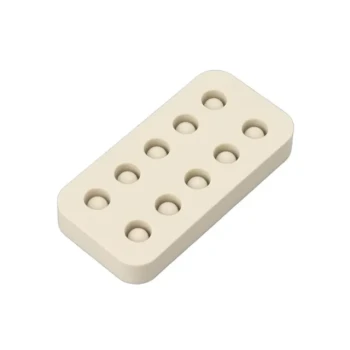
- 10-Cell Silicone Beeswax Bee Queen Cups Forming Mold
- JZBZ Type Wide Base Plastic Queen Cell Cups for Base Mounting and Queen Rearing
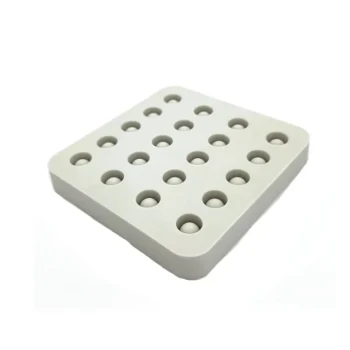
- High-Efficiency 20-Cell Silicone Mold for Beeswax Bee Queen Cup Production
- Brown Nicot Queen Cell Cups for Breeding Queen Bees Beekeeping
- JZBZ Push-In Queen Cell Cups for Beekeeping
People Also Ask
- How do beeswax queen cell cups function? Optimize Queen Rearing with Biological Mimicry
- What is the biological function of beeswax queen cell cups? Boost Acceptance in Artificial Queen Rearing
- What role do specialized queen rearing tools play in developing mite-resistant honeybee stock? Master Genetic Selection
- What materials are used to make artificial queen cell cups for grafting? Beeswax vs. Plastic Guide
- What roles do specialized queen cell cups play in royal jelly production? Optimize Your Hive's Secretion and Yield