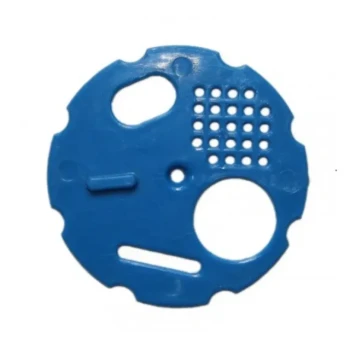
The primary function of an entrance reducer during the summer is hive defense. While it may seem counterintuitive to restrict airflow during hot months, the reducer narrows the hive opening to help the colony protect its honey stores against "honey robbers," specifically wasps and opportunistic bees from other colonies.
Core Insight: In late summer, nectar sources often dry up, driving pests and stronger hives to steal resources. An entrance reducer effectively turns the hive entrance into a strategic "choke point," allowing the resident colony to defend their food with fewer guard bees.
The Context: The Summer Nectar Dearth
Understanding Resource Scarcity
While early summer offers an abundance of flowers, late summer (often starting in July) frequently brings a nectar dearth.
During this period, natural food sources become scarce. This scarcity triggers aggressive foraging behavior in wasps, yellow jackets, and stronger honeybee colonies.
Identifying the Threat
"Robbing" is a serious threat where intruders enter a hive to steal honey.
Without an entrance reducer, a wide-open entrance leaves a large surface area vulnerable to these desperate invaders, potentially overwhelming the colony.
The Mechanics of Defense
Creating a Defensible Choke Point
The reducer limits the physical space intruders can use to enter.
Instead of defending the entire width of the bottom board, guard bees only need to protect a small gap. This allows a smaller number of guards to effectively repel a larger number of attackers.
Protecting Vulnerable Colonies
This is particularly critical for new or weak colonies.
A colony that is still growing or recovering does not have the population density to guard a full entrance. Reducing the entrance size levels the playing field, ensuring their limited resources are not stolen.
Understanding the Trade-offs
Balancing Ventilation and Defense
The main drawback of using a reducer in summer is restricted airflow.
In extreme heat, a reduced entrance can limit ventilation, potentially causing the hive to overheat. You may see bees "bearding" (clustering on the outside of the hive) if the interior becomes too hot or humid.
Managing Traffic Congestion
A reducer on the smallest setting can create a bottleneck for a populous colony.
If the entrance is too small for the amount of forage coming in, returning field bees may get stuck in a "traffic jam." This slows down nectar collection and reduces overall hive efficiency.
Making the Right Choice for Your Goal
Deciding when to use the reducer requires observing your specific hive conditions.
- If your primary focus is Defense: Install the reducer immediately if you spot wasps investigating the hive or see fighting at the entrance.
- If your primary focus is Colony Growth: For a new, small nucleus colony, keep the reducer on the smallest setting regardless of heat to prevent it from being overrun.
- If your primary focus is Ventilation: If the colony is strong, the nectar flow is heavy, and there are no signs of robbers, you may leave the entrance fully open or use the "medium" reducer setting to balance airflow with security.
Ultimately, it is better to risk slightly reduced ventilation than to lose an entire colony to robbing during a summer dearth.
Summary Table:
| Summer Condition | Entrance Strategy | Key Benefit |
|---|---|---|
| Nectar Dearth | Use smallest setting | Protects stores from wasps and robber bees |
| Weak/New Colony | Always reduced | Prevents colony being overwhelmed by pests |
| Strong Colony/Heat | Medium or Wide setting | Balances airflow with basic hive security |
| Visible Robbing | Install immediately | Creates a defensible choke point for guards |
Secure Your Apiary for the Season with HONESTBEE
Protecting your colony requires the right tools at the right time. At HONESTBEE, we specialize in supporting commercial apiaries and distributors with a comprehensive range of high-quality beekeeping equipment. From precision-engineered entrance reducers and hive hardware to industrial-grade honey-filling machines and hive-making technology, we provide everything you need to scale your operations.
Whether you are stocking up on essential consumables or upgrading your machinery, our wholesale solutions are designed for durability and performance. Contact us today to discover how HONESTBEE can streamline your production and protect your investment with professional-grade beekeeping supplies.
Related Products
- Steel Round Disc Entrance Reducer for Flexzion Bee Hive Nuc Box Gate
- Beehive Entrance Reducer Guardian Metal Hive Entrance for Bees
- Professional Hive Front Entrance Bee Feeder
- HONESTBEE Entrance Bee Feeder Efficient Hive Front Liquid Feeding Solution for Beekeeping
- HONESTBEE Entrance Bee Feeder Professional Hive Nutrition Solution for Beekeeping
People Also Ask
- What is the purpose of an entrance reducer for a beehive? Strengthen Colony Defense and Prevent Robbery
- Why are entrance reducers used to counter hornet infestations? Protect Your Hive with Strategic Choke Points
- Why is it critical to maintain a smaller entrance for a newly established bee hive? Boost Colony Growth and Security
- What is the function of an entrance reducer on a beehive? Strengthen Colony Defense and Climate Control
- Under what conditions should a beekeeper adjust the size of a beehive entrance? Seasonal & Defense Management Tips