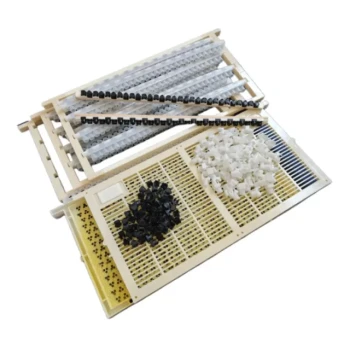
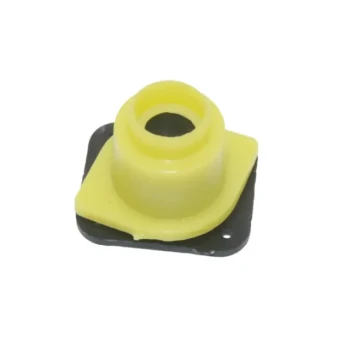
Queen bee selection and rearing acts as the genetic engine of a professional apiary. Its primary purpose is to systematically optimize critical colony traits—specifically foraging efficiency, disease resistance, and temperament—to ensure high-intensity production. By leveraging specialized tools and genetic control, apiarists improve the overall quality of their stock, which is technically required to increase the average honey yield per hive in large-scale operations.
The core objective is to transition from passive colony management to active stock improvement. By securing high-quality queens, apiaries maximize reproductive capacity and foraging vitality, ensuring consistent production stability even under fluctuating environmental conditions.
Optimizing Production Through Genetics
Enhancing Foraging Efficiency
In large-scale apiaries, the difference between profit and loss often lies in the efficiency of the worker bees. Selective rearing allows beekeepers to propagate lines that exhibit superior foraging traits.
This ensures that the colony maximizes resource gathering during short or intense nectar flows.
Strengthening Disease Resistance
High-density beekeeping increases the risk of pathogen spread. Through genetic selection, apiaries can breed queens whose offspring demonstrate higher natural resistance to diseases.
This reduces the reliance on chemical treatments and improves the long-term viability of the stock.
Managing Colony Temperament
Working with aggressive bees significantly hampers labor efficiency in large operations. Selection processes prioritize gentle temperament, making hive inspections faster and safer for apiary staff.
Achieving Strategic Independence
Eliminating Import Risks
Reliance on imported queens introduces significant biosecurity risks, including the introduction of foreign pests or pathogens. Professional rearing allows for self-sufficiency, closing the apiary system to external biological threats.
This eliminates the high costs and logistical uncertainties associated with purchasing queens from external sources.
Tailoring Stock to Local Climates
Generic queens may struggle in specific local environments. In-house rearing enables the selection of traits tailored to local microclimates, such as specific cold resistance or overwintering ability.
This adaptability improves the overall survival rate of colonies across diverse seasons.
The Queen as the Biological Core
Maximizing Worker Populations
The queen directly determines the reproductive capacity of the hive. A scientifically managed rearing program ensures every hive possesses one high-quality queen capable of laying at maximum capacity.
Synchronizing with Nectar Flows
The goal of high-quality rearing is to time peak population growth with peak nectar availability. A vigorous queen ensures the maximum number of foraging workers are available exactly when resources are most abundant.
Understanding the Trade-offs
High Technical Requirements
Implementing a professional rearing program is not a passive activity. It requires the use of specialized tools, such as precision artificial insemination equipment, which demands a higher level of technical skill.
Capital and Labor Investment
While it reduces long-term costs, establishing a rearing program requires upfront investment in equipment and significant labor. It shifts focus from simple honey production to complex genetic management.
Making the Right Choice for Your Goal
To determine how to implement these processes in your operation, consider your specific production targets:
- If your primary focus is Yield Maximization: Prioritize selection for reproductive capacity and foraging vitality to ensure peak worker populations during major nectar flows.
- If your primary focus is Biosecurity: Establish a closed breeding loop to eliminate dependence on imported stock and the associated pathogen risks.
- If your primary focus is Climate Resilience: Focus your genetic selection on local adaptability and cold resistance to ensure higher winter survival rates.
Mastering queen selection transforms the apiary from a collection of hives into a synchronized, high-output production system.
Summary Table:
| Key Benefit | Description | Impact on Large-Scale Apiaries |
|---|---|---|
| Foraging Efficiency | Selection of superior worker traits | Maximizes resource gathering and honey yields |
| Disease Resistance | Genetic breeding for natural immunity | Reduces chemical dependency and improves stock health |
| Local Adaptability | Tailoring stock to local microclimates | Enhances overwintering survival and climate resilience |
| Biosecurity | Closing the system to external imports | Eliminates pathogen risks and reduces procurement costs |
| Reproductive Capacity | Ensuring high-quality, vigorous queens | Maintains peak worker populations for nectar flows |
Elevate Your Apiary’s Performance with HONESTBEE
Transition from passive hive management to a high-output production system with HONESTBEE. As a specialized partner for commercial apiaries and distributors, we provide the comprehensive tools and machinery necessary to master queen bee selection and rearing.
Our Value to Your Operation:
- Precision Equipment: From specialized hive-making tools to high-efficiency honey-filling machines.
- Comprehensive Wholesale: A full spectrum of beekeeping hardware and essential industry consumables.
- Market Expansion: A wide array of honey-themed cultural merchandise to diversify your revenue streams.
Ready to scale your production and secure your genetic independence? Contact us today to discover how HONESTBEE’s wholesale solutions can drive your success.
References
- María Amparo Ferreira-Golpe, Ibán Vázquez González. Impacto socioeconómico de la actividad apícola y características productivas del sector en la provincia de A Coruña. DOI: 10.12706/itea.2020.031
This article is also based on technical information from HonestBee Knowledge Base .
Related Products
- No Grafting Queen Rearing Kit: System for Royal Jelly Production and Queen Rearing
- Retractable Chinese Queen Rearing Grafting Tools Equipment
- Nicot Queen Rearing Kit for Beekeeping and Grafting in Nicot System
- Queen Bee Artificial Insemination Instrument Equipment for Instrumental Insemination
- Jenter Queen Rearing Kit Complete Set for Bee Breeding
People Also Ask
- What is the primary function of a queen rearing kit? Eliminate Manual Grafting for Superior Bee Breeding
- How do specialized queen rearing kits and queen management tools improve the success rate of bee colony expansion?
- What are some alternative methods to grafting for queen cell production? Discover Graft-Free Queen Rearing Systems
- Are queen rearing systems generally suitable for all honeybee species? Master Efficient Breeding Methods
- Are queen rearing systems suitable for all beekeepers? Modern Tools for Every Experience Level