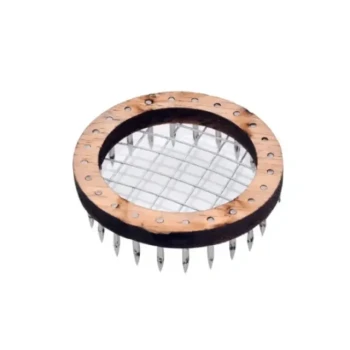
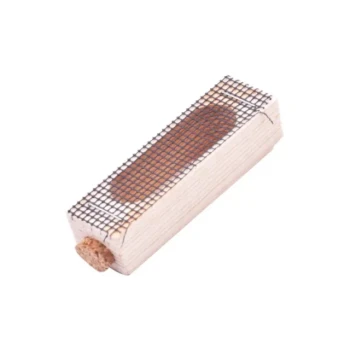
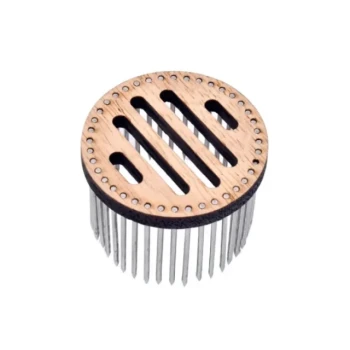
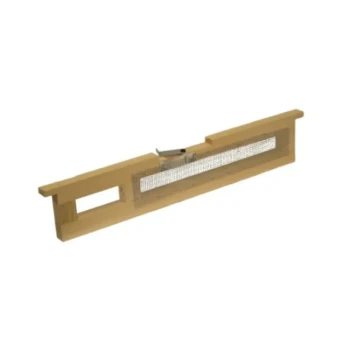
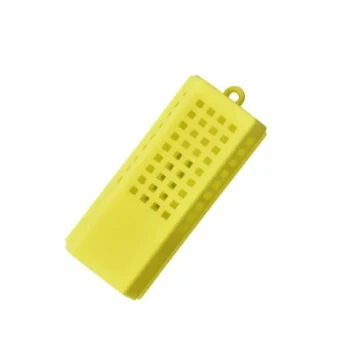
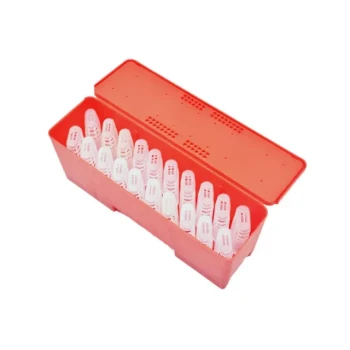
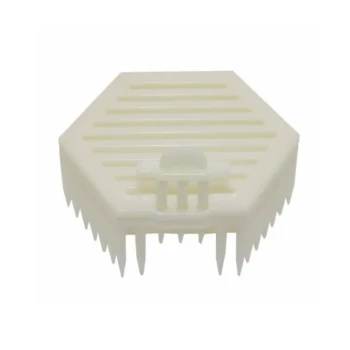
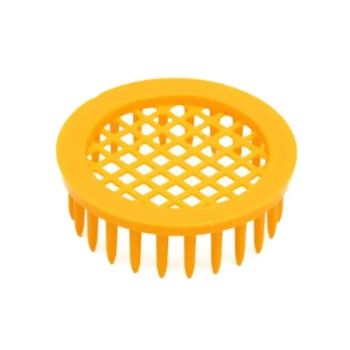
The primary purpose of using specialized wooden transport cages equipped with attendant bees is to maintain the queen bee's physiological stability during transit. The wooden structure provides a secure physical barrier, while the accompanying attendant bees actively manage the queen's environment through feeding, grooming, and temperature control. This combination creates a micro-environment that minimizes stress, ensuring the queen remains in an optimal state for subsequent laboratory procedures.
The inclusion of attendant bees transforms a simple transport container into a functioning biological support system, preserving the queen's health and ensuring the accuracy of delicate analyses like spermatheca dissection.
The Role of the Biological Support System
To understand why this specific method is used, one must recognize that a queen bee is not merely a biological sample; she is a living organism dependent on her colony.
Thermal Regulation
The most critical function of the attendant bees is thermal regulation. A queen bee cannot regulate her own body temperature effectively in isolation.
Attendant bees cluster around the queen, generating or dissipating heat as needed. This ensures the queen remains within a safe temperature range, preventing cold shock or heat stress that could damage internal organs.
Nutritional Support
Transport times can vary, and a queen requires consistent energy levels to survive.
Attendant bees facilitate feeding during the journey. By maintaining the queen's nutritional intake, they prevent starvation and metabolic crash, which would render the sample viable for only a short window.
Hygiene and Cleaning
The confined space of a transport cage can quickly become unsanitary without maintenance.
Attendants perform essential cleaning duties. This reduces the risk of disease or bacterial buildup within the cage, maintaining a sterile enough environment to protect the queen's health until she reaches the laboratory.
Impact on Laboratory Results
The ultimate goal of this transport method is to protect the integrity of the data collected after arrival.
Minimizing Physiological Stress
Transport causes vibration, noise, and environmental fluctuation, all of which induce stress.
By surrounding the queen with attendants, the transport-related stress is significantly buffered. High stress levels can alter the queen's physiology, potentially skewing experimental data or degrading tissue quality.
Preserving Dissection Viability
Specific procedures, such as spermatheca dissection, require high-quality biological tissue.
If a queen arrives dead, dehydrated, or thermally compromised, these delicate structures may degrade. The attendant bees ensure the queen maintains optimal physiological activity, allowing researchers to assess the sample as if it were still in the colony.
Understanding the Trade-offs
While this method is superior for sample viability, it introduces specific variables that a technician must manage.
Complexity of Preparation
Unlike storing a sample in alcohol or liquid nitrogen, this method requires the collection and maintenance of live biological agents (the attendants).
This adds a layer of complexity to the logistics. The attendants themselves must be healthy and compatible with the queen to perform their duties effectively.
Dependence on Attendant Survival
The safety of the queen is entirely dependent on the survival of the attendants.
If the attendant bees die during transport due to extreme external conditions or age, the queen loses her life support system. This makes the method vulnerable during exceptionally long transits or harsh shipping conditions.
Making the Right Choice for Your Goal
When planning the logistics of queen bee transfer, consider your specific analytical needs.
- If your primary focus is anatomical integrity: Prioritize this method, as the attendant bees ensure the tissues remain hydrated and physiologically active for dissection.
- If your primary focus is stress analysis: Use this method to establish a baseline, as it most closely mimics the natural colony environment compared to solitary transport.
The success of laboratory analysis often begins with the quality of the transport; using attendant bees is an investment in the reliability of your data.
Summary Table:
| Feature | Function in Transport | Impact on Laboratory Analysis |
|---|---|---|
| Wooden Structure | Physical protection and insulation | Prevents mechanical damage and cold shock |
| Attendant Bees | Thermal regulation and feeding | Maintains metabolic health and tissue hydration |
| Hygiene Maintenance | Grooming and waste management | Reduces risk of disease and sample contamination |
| Micro-environment | Stress reduction and stabilization | Ensures accurate data for dissections (e.g., spermatheca) |
Optimize Your Apiary Operations with HONESTBEE
At HONESTBEE, we understand that the health of your queen is the foundation of a thriving colony. Whether you are a commercial apiary or a specialized distributor, we provide the high-quality beekeeping tools and machinery needed to maintain excellence. From precision-engineered wooden transport cages to honey-filling machines and specialized hardware, our comprehensive wholesale offering is designed to support your growth.
Ready to elevate your beekeeping standards? Contact us today to explore our full spectrum of equipment and consumables!
References
- Yasin Kahya, H. Vasfi Gençer. Temporal Variation in the Viability of Spermatozoa in the Spermathecae of Queen Honey Bees (Apis mellifera L.). DOI: 10.24925/turjaf.v10i2.319-322.4894
This article is also based on technical information from HonestBee Knowledge Base .
Related Products
- Wood and Mesh Push-In Queen Cage
- Classic Wooden and Mesh California Queen Cage
- Premium Wood and Steel Push In Queen Cage
- Professional Queen Bee Introduction and Transport Cage
- Professional Wooden Requeening Frame for Beekeeping
People Also Ask
- When is a queen introduced with a push-in cage ready for full release? Key Signs for Maximum Colony Acceptance
- How are queen cages used to protect newly hatched queens? Secure Your Virgin Queens During Development
- Why are queen cages or grid cages used in bee studies? Achieve Precise Biological Data for Research
- What advantages do push-in queen cages offer? Boost Acceptance Rates for Artificially Inseminated Queens
- What is a push-in queen cage and how does it differ from a standard queen cage? Boosting Your Queen Acceptance Rates