To ensure the stability and quality of your harvest, the general rule of thumb is to wait until your frames are at least 70% to 80% capped with wax. This threshold serves as the primary visual indicator that the honey is ready for extraction.
Capping is the bees' method of preserving their food stores. It indicates that the nectar has been dehydrated to a safe moisture level—typically between 16.5% and 18%—which prevents fermentation and spoilage.
The Significance of the Capping Threshold
Understanding Moisture Content
Nectar collected by bees has a high water content that must be reduced for long-term storage.
When you see a frame that is 70% to 80% capped, it confirms that the bees have successfully dried the nectar to a moisture level between 16.5% and 18%.
This drying process is critical for transforming perishable nectar into stable honey.
The Risk of Fermentation
Harvesting honey before it reaches this specific capping percentage is a significant gamble.
Uncapped cells often contain nectar that is still too wet. If this "unripe" honey is mixed with the capped honey, the overall moisture content of your batch may rise above safe limits.
High moisture content creates an environment conducive to yeast growth, leading to fermentation that will spoil your harvest.
Balancing Harvest and Colony Health
Ensuring Colony Survival
While capping indicates the honey is ready for you, you must also determine if the colony is ready to lose it.
Measuring the weight of the capped honey prior to extraction is a vital step in scientific beekeeping.
This assessment ensures that you do not inadvertently starve the colony by removing essential carbohydrate stores needed for their survival and future development.
Sustainability of the Apiary
Over-harvesting can devastate a hive's long-term viability.
By verifying that there is sufficient capped honey weight remaining for the bees, you maintain the sustainability of your apiary.
This practice prioritizes the biological needs of the colony over the immediate yield of the beekeeper.
Common Pitfalls to Avoid
The Illusion of Abundance
A heavy frame does not always equal a ripe frame.
Beekeepers often mistake a frame full of glistening nectar for harvestable honey. If those cells are not capped to the 70-80% threshold, the water content is likely too high for extraction.
Neglecting the "Green" Honey Risk
Extracting frames that are mostly uncapped results in "green" or unripe honey.
While it may look and taste like honey, it lacks the shelf stability of properly capped stores. This frequently leads to souring in the jar effectively wasting the bees' labor and your time.
Making the Right Choice for Your Goal
Before you begin uncapping your frames, evaluate your priorities:
- If your primary focus is Product Quality: Strictly adhere to the 70-80% capping rule to ensure moisture levels stay between 16.5% and 18%, preventing fermentation.
- If your primary focus is Colony Sustainability: Measure the weight of capped honey to guarantee you are leaving enough stores to prevent starvation and support future development.
Patience during the capping phase is the single most effective tool for securing a high-quality harvest that is safe for storage.
Summary Table:
| Factor | Recommendation | Importance |
|---|---|---|
| Capping Threshold | 70% - 80% of frame | Primary visual indicator of ripeness |
| Moisture Content | 16.5% - 18% | Prevents yeast growth and fermentation |
| Colony Health | Monitor total weight | Ensures bees have enough stores for survival |
| Risk of 'Green' Honey | Low (if 70%+ capped) | Unripe honey leads to spoilage and souring |
Elevate Your Honey Production with HONESTBEE
Maximize your apiary's efficiency and product quality with professional-grade equipment. HONESTBEE specializes in supporting commercial apiaries and distributors by providing a comprehensive range of beekeeping solutions. From high-capacity honey-filling machines and specialized hive-making hardware to a full spectrum of beekeeping tools and consumables, we empower your business to scale sustainably.
Whether you are upgrading your extraction line or expanding your wholesale inventory, our expert team is ready to provide the machinery and cultural merchandise you need to succeed.
Contact HONESTBEE today to discuss your wholesale needs
Related Products
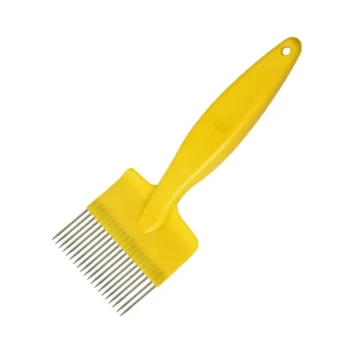
- Professional Durable Plastic Handle Honey Uncapping Fork
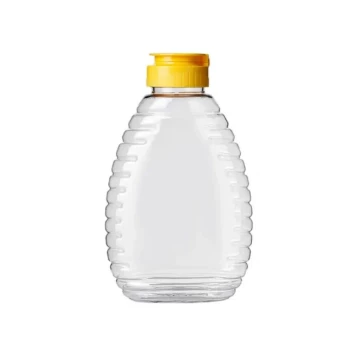
- Squeezable No-Drip Beehive-Shaped Honey Jars with Flip-Top Cap
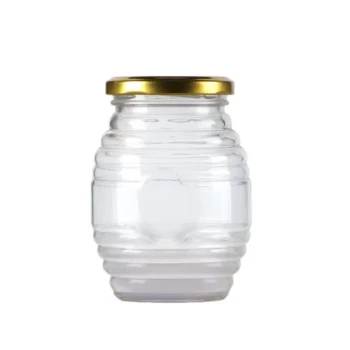
- Classic Glass Honey Jar with Metal Lug Cap for Beehive Storage
- Professional Honey Uncapping Roller for Efficient Harvesting
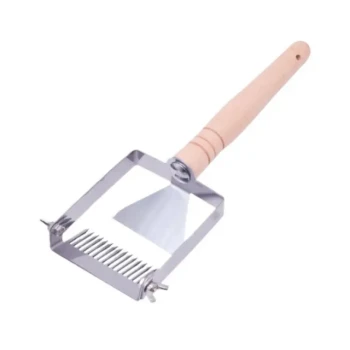
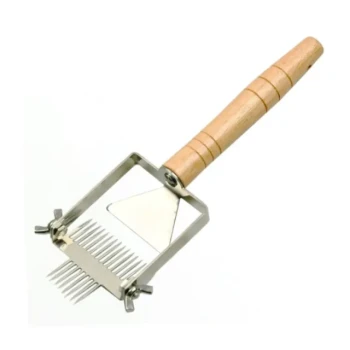
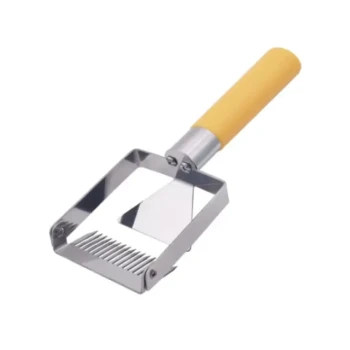
- Adjustable Stainless Steel Honey Uncapping Fork with Scraper for Beekeeping
People Also Ask
- What is the design purpose of honey uncapping forks and honey uncapping tanks? Maximize Your Harvest Efficiency
- How does a honey uncapping fork supplement the use of an uncapping knife? Boost Your Honey Yield and Extraction Efficiency
- What other tools are available for honey uncapping besides knives? Find the Right Tool for Your Apiary's Scale
- What tools are used for honey uncapping? Choose the Right Knife for Your Harvest
- What is the primary function of specialized honey uncapping tools? Maximize Your Extraction Yield and Efficiency