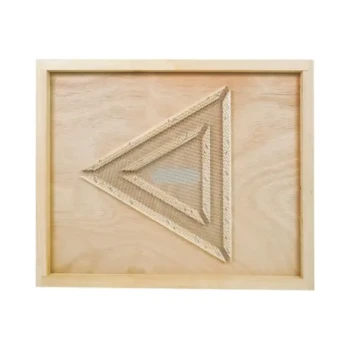
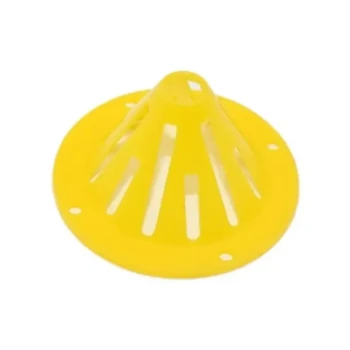
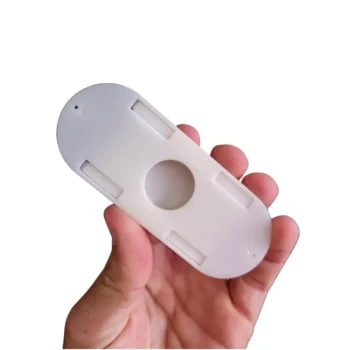
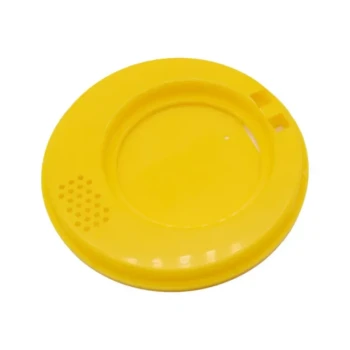
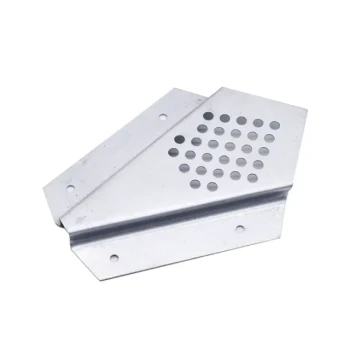
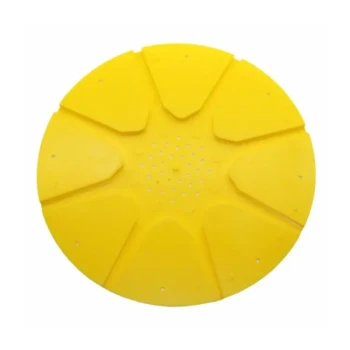
To use a triangle bee escape board effectively, place it directly beneath the honey super you intend to harvest. Position the board so that the triangle side faces down toward the bottom of the hive, and the flat surface faces up toward the honey super. Allow the board to remain in place for up to 24 hours—typically overnight—to give the bees sufficient time to vacate the super before you harvest.
The triangle bee escape board functions as a mechanical one-way valve, leveraging the bees' natural tendency to move downward during cooler temperatures. By allowing bees to exit the super but preventing their return, it offers a calm, chemical-free harvesting method, provided it is removed within 24 hours to prevent re-entry.
Proper Installation and Mechanics
Ensuring Correct Orientation
The most critical step in the procedure is orientation. You must install the board with the flat side facing up and the triangle maze facing down.
If installed upside down, the "maze" creates an obstacle rather than an exit, rendering the tool useless. The flat side creates a floor for the honey super, guiding bees to the specific exit holes.
Strategic Placement
Insert the board between the honey supers you wish to clear and the brood boxes below. The device acts as a physical barrier, separating the honey stores from the main colony.
This setup isolates the super, turning it into a one-way street. Bees leave the super to return to the cluster below but cannot navigate the maze to return upward.
Leveraging Bee Behavior
The mechanism relies on the natural instinct of bees to move toward the brood nest, especially when temperatures drop. The maze design exploits this navigation pattern, making the exit intuitive for the bees while making re-entry confusing and difficult.
Timing and Environmental Factors
The 24-Hour Rule
Once installed, leave the board on the hive for overnight, up to 24 hours. This duration is usually sufficient for the majority of the colony to move down into the brood chamber.
Do not leave the board on for significantly longer than this period. Given enough time (usually past the 24-hour mark), bees are intelligent enough to learn the maze and find their way back into the honey super.
Ideal Weather Conditions
For optimal results, use the escape board when temperatures are cooler. Cool weather naturally encourages the cluster to condense and move downward into the brood boxes to keep warm, speeding up the evacuation of the upper supers.
Understanding the Trade-offs
The Brood Limitation
This method has a specific failure mode: brood in the honey super. If the queen has laid eggs in the super, nurse bees will refuse to abandon the brood, regardless of the escape board.
Always inspect your supers for brood before installing the board. If brood is present, this method will not work effectively.
Safety and Expectation Management
While this method significantly reduces the number of bees, it rarely clears 100% of them. You should still wear protective beekeeping gear when harvesting the super.
Expect to encounter a few stragglers. The goal is to avoid massive aggression and minimize stinging risks, not to achieve a medically sterile environment.
Operational Efficiency
Using an escape board requires two trips to the apiary: one to install the board and another the next day to harvest. If your goal is a single-trip harvest, this method may be too time-consuming compared to fume boards or blowers.
Making the Right Choice for Your Goal
To determine if this is the right harvesting method for your specific situation, consider your priorities:
- If your primary focus is a chemical-free harvest: This is the ideal method, as it relies entirely on mechanical separation and bee behavior rather than repellents.
- If your primary focus is minimizing aggression: Use this board to significantly lower the risk of stinging and agitation during the harvest.
- If your primary focus is speed and efficiency: You may find the two-trip requirement and the 24-hour wait time inefficient compared to active clearing methods like blowers.
By aligning the board's mechanics with the colony's natural instincts, you ensure a calmer, safer harvest for both the beekeeper and the bees.
Summary Table:
| Feature | Recommendation |
|---|---|
| Orientation | Flat side UP, Triangle maze DOWN |
| Installation Point | Between honey supers and brood boxes |
| Duration | 24 hours (Overnight) |
| Best Conditions | Cooler weather (encourages downward movement) |
| Key Constraint | Supers must be free of brood/queen |
| Primary Benefit | Chemical-free, low-stress bee removal |
Maximize Your Harvest Efficiency with HONESTBEE
At HONESTBEE, we understand that professional beekeeping requires precision tools that respect the colony. We offer a comprehensive wholesale range of high-quality triangle bee escape boards, hive-making machinery, and honey-filling equipment designed specifically for commercial apiaries and distributors.
Whether you are scaling your production or supplying the next generation of beekeepers, our hardware and industry consumables ensure a seamless workflow from hive to jar. Contact us today to discuss our wholesale offerings and discover how our specialized equipment can enhance your operational efficiency and product quality.
Related Products
- HONESTBEE Wooden Bee Escape Board with Triangle Mesh Design for Beekeeping
- Professional Cone Style Bee Escape for Efficient Honey Harvesting
- HONESTBEE 4-Way Metal Corner Wooden Bee Escape Board
- HONESTBEE Multi Exit Plastic Bee Escape Board for Efficient Honey Harvesting
- High-Efficiency Diamond Maze Bee Escape for Clearing Supers
People Also Ask
- How is a bee escape board used to clear a hive body for honey harvesting? Optimize Your Chemical-Free Harvest
- What is a bee escape board and what problem does it solve? Simplify Your Honey Harvest with Passive Clearing
- How is a bee escape board used and how does it function? Master This Gentle Honey Harvesting Tool
- What are the proper steps for using a bee escape board for honey harvesting? Master the Passive Clearing Technique
- What tools and methods are used to clear honey bees from honey supers? Efficient Harvesting for Commercial Beekeepers