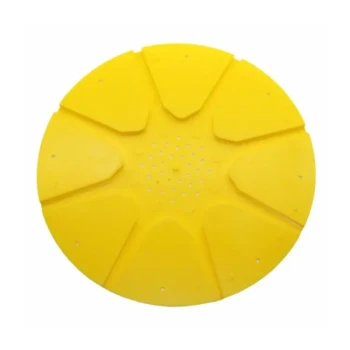
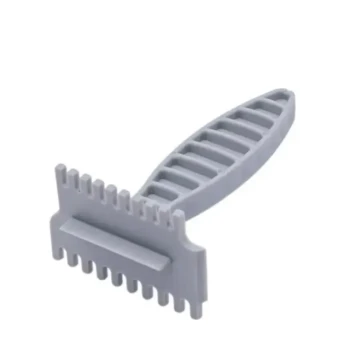
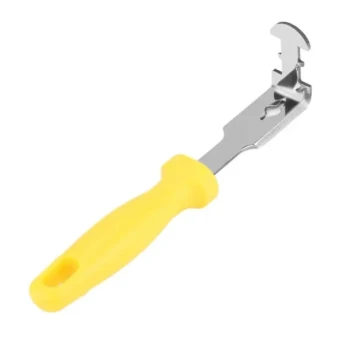
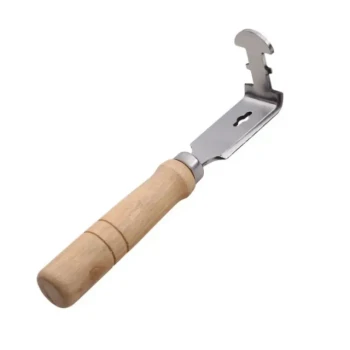
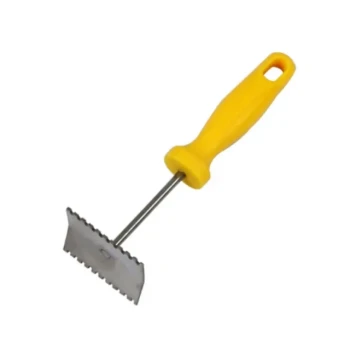
Cleaning beehive entrances and utilizing impregnated traps function as a complementary defense system to reduce predation on foraging worker bees. Cleaning acts as a preventative measure by physically removing the hiding spots and web-anchoring points spiders require, while traps impregnated with synthetic pyrethroids serve as an active elimination method, creating a lethal barrier that reduces the overall spider population density.
Core Takeaway: Effective spider control relies on removing the predator's tactical advantage and reducing their numbers simultaneously. By eliminating physical clutter at the entrance and deploying chemical contact barriers at the hive base, you significantly lower the risk of ambush for returning foragers.
The Strategy of Physical Cleaning
Removing Ambush Points
Predatory spiders rely on physical concealment to successfully hunt. By actively cleaning beehive entrances, you eliminate the nooks and crannies where spiders hide to ambush worker bees.
Disrupting Web Infrastructure
Spiders require specific physical spaces to anchor their webs. Regular cleaning removes these potential attachment points, making it impossible for spiders to spin the webs used to ensnare foraging bees.
The Role of Impregnated Physical Traps
Establishing a Chemical Barrier
Physical traps used in this context are impregnated with synthetic pyrethroids. This creates a potent chemical perimeter around the hive that acts as a deterrent and control agent against arachnids.
The Contact-Kill Mechanism
These traps function through direct contact. When predatory spiders attempt to cross the trap to access the hive, exposure to the pyrethroids triggers a lethal reaction, effectively killing the predator.
Targeted Population Reduction
This method specifically targets the density of spiders around the apiary and at the bottom of beehives. By placing traps in these specific zones, you reduce the immediate threat pressure on the colony without requiring direct chemical treatment of the honeycomb.
Understanding the Trade-offs
Maintenance Consistency
Physical cleaning is not a one-time solution. To remain effective, it requires ongoing maintenance to ensure new debris does not accumulate, which would allow spiders to re-establish webs.
Specificity of Placement
Because synthetic pyrethroids are used, the placement of traps is critical. They are designed for the bottom of the hive and the surrounding apiary area, ensuring they target bottom-dwelling or approaching spiders rather than obstructing the bees' primary flight path.
Making the Right Choice for Your Apiary
To protect your colonies effectively, select the method that aligns with your current infestation level:
- If your primary focus is prevention: Prioritize routine cleaning of hive entrances to remove potential habitats and prevent webs from being established.
- If your primary focus is reducing an active spider population: Deploy pyrethroid-impregnated traps at the bottom of hives to actively lower predator density through contact-kill efficacy.
A robust defense strategy often involves utilizing both methods to minimize spider predation on foraging bees.
Summary Table:
| Method | Action Type | Primary Function | Application Area |
|---|---|---|---|
| Entrance Cleaning | Preventative | Removes ambush spots & web anchors | Hive entrance & exterior |
| Impregnated Traps | Active | Contact-kill using synthetic pyrethroids | Hive bottom & apiary floor |
| Combined Strategy | Integrated | Integrated defense against predators | Complete colony perimeter |
Maximize Your Apiary Productivity with HONESTBEE
Protecting your foraging bees from predators is essential for a thriving honey harvest. At HONESTBEE, we specialize in supporting commercial apiaries and distributors with high-performance beekeeping solutions.
Whether you need specialized hive-making machinery, efficient honey-filling systems, or a consistent supply of beekeeping tools and consumables, our comprehensive wholesale offering is designed to scale your operations and boost your efficiency.
Take your beekeeping business to the next level—Contact us today to explore our full spectrum of industry-leading hardware and equipment!
References
- Özgür Selçuk, Levent Aydın. Balarılarında Bulunan Diğer Zararlı Artropodlar Bölüm 2: Akarlar Ve Araknidalar. DOI: 10.31467/uluaricilik.162300
This article is also based on technical information from HonestBee Knowledge Base .
Related Products
- Black Plastic Beetle Barn Hive Beetle Trap for Beehives
- Reusable Clear Small Hive Beetle Traps for Beehives Beetle Trapping Tools
- 30 cm Plastic Entrance Hole Bee Pollen Trap and Collector
- Professional Reversible Beehive Hive Entrance
- Plastic Beetle Blaster Trap Beekeeping Tools and Supplies
People Also Ask
- How should powdered substances be used in beetle traps for hive beetle control? Expert Guide for Maximum Colony Protection
- What are the three main types of hive beetle traps? Expert Solutions for Protecting Your Bee Colonies
- What are the types of hive beetle traps available? Master Your Beetle Control Strategy
- What are the main types of hive beetle traps available? A Beekeeper's Guide to Effective Control
- What mechanical methods can be used to manage small hive beetles? Effective Physical Solutions for Your Beehive