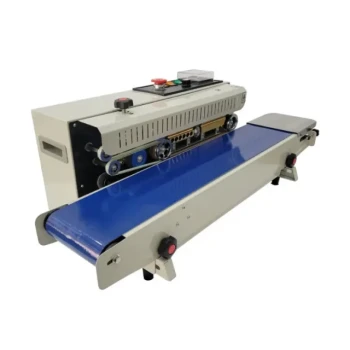
The industrial-grade spray-drying process is the definitive technological bridge between raw propolis extract and a shelf-ready, high-stability powder. This equipment functions by rapidly atomizing liquid propolis into fine droplets, allowing active compounds to be encapsulated within a protective matrix, such as alginate. This transformation facilitates the powderization of materials for easier formulation while creating a physical barrier that shields sensitive bioactive molecules from degradation caused by light, oxygen, and humidity.
Industrial-grade spray-drying is the critical final step in propolis processing that ensures bioactive potency is preserved through microencapsulation, providing distributors with a stable, high-value product suitable for diverse global markets.
Transforming Crude Resin into High-Value Powder
The Mechanics of Atomization
Industrial-grade spray dryers convert liquid propolis extracts into a fine mist of droplets. This rapid surface area expansion allows for nearly instantaneous drying when in contact with heated air, turning a sticky liquid into a free-flowing powder.
Achieving Precise Microencapsulation
During this process, the propolis is embedded within a specific matrix, often using carriers like alginate. This microencapsulation ensures that the "core" bioactive material is fully surrounded by a "shell," which is essential for controlled release and protection.
Enhanced Formulation Versatility
By converting propolis into a standardized powder, manufacturers can easily incorporate it into capsules, tablets, and dry beverage mixes. This eliminates the handling difficulties associated with raw, adhesive propolis resin or highly volatile ethanol extracts.
Maximizing Bioactive Potency and Stability
Shielding Against Environmental Degradation
Propolis contains sensitive antioxidant compounds that react poorly to light and oxygen. The microencapsulated barrier created by industrial spray-drying acts as a shield, significantly extending the commercial shelf-life of the final product.
Preserving Flavonoid and Phenolic Concentration
High-grade extraction equipment first isolates key compounds like flavonoids and phenolic acids from beeswax and impurities. The spray-drying stage then "locks in" these concentrations, ensuring the end-user receives the full pharmacological benefits of the original material.
Managing Moisture and Humidity
Propolis is naturally hygroscopic, meaning it can clump when exposed to air. Professional-grade spray-drying creates a uniform particle size that resists environmental humidity, ensuring the powder remains stable during long-distance shipping and storage.
Understanding the Trade-offs
Heat Exposure vs. Rapid Evaporation
While spray-drying involves heat, the process is so rapid that the core bioactive molecules are rarely damaged. However, poorly calibrated equipment can lead to thermal degradation if the "residence time" in the drying chamber is too long.
Matrix Dilution and Purity
Microencapsulation requires a carrier material, which naturally means the powder is not 100% pure propolis. While this reduces the raw concentration per gram, it vastly increases the bioavailability and stability, making the trade-off essential for high-quality commercial supplements.
Equipment Complexity and Cost
Operating industrial-grade spray dryers requires significant technical expertise and capital investment. For distributors, this underscores the importance of sourcing from partners with a full-spectrum product portfolio and proven manufacturing infrastructure.
Strategic Sourcing for Propolis Distribution
When evaluating propolis products for your inventory, the processing technology used is as important as the raw material source. Choosing microencapsulated forms ensures you are delivering a professional, stable, and effective product to your B2B clients.
- If your primary focus is product shelf-life: Prioritize microencapsulated powders, as the spray-drying barrier significantly reduces oxidation and extends commercial viability in various climates.
- If your primary focus is manufacturing versatility: Opt for spray-dried extracts to ensure seamless integration into capsules and tablets without the clumping issues of raw resins.
- If your primary focus is market competitiveness: Partner with a one-stop supplier that integrates advanced extraction and spray-drying to guarantee high flavonoid concentrations and rapid order fulfillment.
High-performance spray-drying is the gold standard for turning volatile propolis into a reliable, high-margin commodity for the global health and wellness industry.
Summary Table:
| Feature | Role in Microencapsulation | Benefit for Distributors |
|---|---|---|
| Atomization | Converts liquid extract into fine droplets | Creates a free-flowing, easy-to-handle powder |
| Matrix Coating | Embeds propolis in a protective shell (e.g., alginate) | Enhances bioavailability and controlled release |
| Environmental Shield | Blocks light, oxygen, and humidity | Significantly extends commercial shelf-life |
| Standardization | Ensures uniform particle size and concentration | Simplifies formulation for capsules and tablets |
Scale Your Propolis Business with HONESTBEE
Are you looking to optimize your production line or expand your B2B inventory? HONESTBEE provides distributors and commercial apiaries with a comprehensive, one-stop sourcing solution. From advanced honey-filling and hive-making machines to the full spectrum of high-quality beekeeping tools and consumables, we ensure your business stays competitive.
Why partner with us?
- Industry Expertise: Deep professional knowledge to guide your equipment selection.
- Operational Efficiency: Rapid response times and ultra-fast delivery for all wholesale orders.
- Full-Spectrum Portfolio: Everything from specialized hardware to honey-themed cultural merchandise.
Contact HONESTBEE today to streamline your supply chain and access premium trading services tailored to your growth!
References
- Alda Sousa, Elen Vanessa Costa da Silva. PRÓPOLIS E GEOPRÓPOLIS: UMA REVISÃO SOBRE PROPRIEDADES, APLICAÇÕES E PERSPETIVAS FUTURAS. DOI: 10.54899/dcs.v22i83.3631
This article is also based on technical information from HonestBee Knowledge Base .
Related Products
- 0.5T Capacity Honey Dehumidifier Dryer with Vacuum Heating and Thickening Filtering Machine
- Economy Small Scale Honey Dryer Dehumidifier Thickening Machine
- Electric Commercial Beeswax Melter for Factory Use
- High Quality Honey Dehumidifier Dryer Thickening Machine for Beekeeping
- HONESTBEE Professional Cabinet Bottle Dryer
People Also Ask
- What is the primary function of professional dehumidification equipment in honey processing? Stability & Quality
- How to dry up honey? The Safe Guide to Stabilizing Honey and Preventing Fermentation
- What is the process for using a dehumidifier to lower honey's moisture content? Expert Drying Techniques
- How to decrease moisture in honey? Prevent Fermentation and Ensure Long-Term Quality
- How to remove humidity from honey? Protect Your Harvest from Fermentation