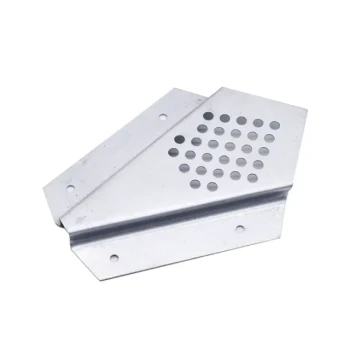
Aligning beehive entrance orientation with natural nesting habits is a critical management practice that reduces colony stress and optimizes the biological efficiency of the hive. By simulating the innate preferences of species like Apis cerana, beekeepers minimize the rejection of artificial environments, accelerate the identification of flight paths, and synchronize the colony with local light and wind cycles.
Core Takeaway: Proper entrance orientation is not merely a preference but a functional requirement for colony stability, directly influencing foraging productivity, internal thermoregulation, and the prevention of territorial aggression within the apiary.
Maximizing Biological Efficiency through Natural Alignment
Optimizing Foraging and Flight Paths
Proper orientation allows bees to identify navigation landmarks and flight paths more rapidly. This efficiency improves the return rate of foraging bees, ensuring that more resources are brought back to the colony with less energy expenditure.
Leveraging Morning Sunlight
Orienting entrances toward the sunrise is a strategic move to activate foraging behavior early in the day. Morning light warms the hive entrance, signaling the colony to begin work sooner, which is vital for maximizing honey production during peak nectar flows.
Reducing Rejection of Artificial Hives
Wild bees select nesting sites based on specific environmental cues. Adjusting the orientation to match these natural nesting habits reduces the likelihood of the colony absconding or rejecting a newly installed artificial hive.
Climate Resilience and Resource Protection
Wind Shielding and Thermoregulation
Strategic orientation prevents cold winter winds from blowing directly into the hive. This protection avoids sharp temperature fluctuations that would otherwise force the colony to consume excessive honey reserves just to maintain internal heat.
Seasonal Flexibility and Ventilation
A colony’s needs shift with the seasons. While a south-facing entrance might be ideal for winter warmth, beekeepers must be prepared to adjust for ventilation requirements during extreme summer heat or when specific pest treatments demand maximum airflow.
Minimizing Territorial Aggression
In high-density apiaries, orientation helps manage the "olfactory signature" of each colony. By ensuring entrances do not face one another, beekeepers can significantly reduce drifting and robbing behavior, which occurs when bees accidentally enter the wrong nest.
Strategic Sourcing: The Distributor's Competitive Edge
Leveraging Professional Industry Expertise
Distributors who understand the technical nuances of hive orientation can better serve their clients by providing expert-led consultations. This deep industry knowledge transforms a simple product sale into a high-value partnership.
Providing a Full-Spectrum Product Portfolio
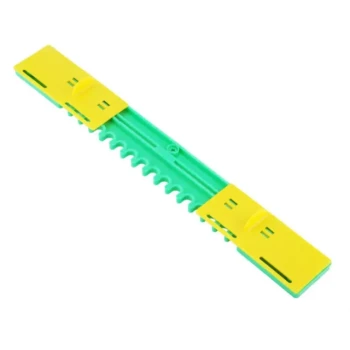
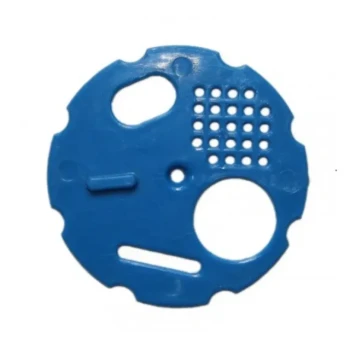
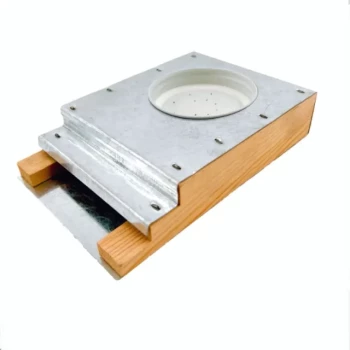
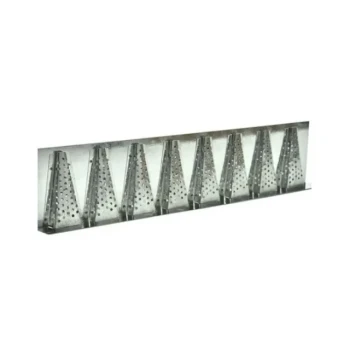
Meeting the needs of professional beekeepers requires a comprehensive inventory. Stocking adjustable hive stands, entrance reducers, and specialized hive bodies allows resellers to offer a one-stop sourcing solution for precise environmental management.
Efficiency in Fulfillment and Delivery
In the beekeeping industry, timing is everything. Our commitment to ultra-fast delivery and rapid response times ensures that professional apiaries receive the specialized equipment they need to react to seasonal changes and colony behavior shifts immediately.
Understanding the Trade-offs and Pitfalls
The Risk of Excessive Heat Exposure
While morning sun is beneficial, an entrance oriented toward direct, unrelenting afternoon sun can cause internal overheating. This forces bees to divert resources from foraging to "fanning" the hive to lower the temperature.
Balancing Protection and Accessibility
Reducing an entrance size to prevent robbing or wind ingress can inadvertently restrict ventilation. Distributors must provide a variety of entrance options that allow beekeepers to balance security with the colony's need for oxygen and cooling.
Making the Right Choice for Your Inventory
Selecting the right equipment depends on the specific environmental challenges and goals of your end-users.
- If your primary focus is maximizing honey production: Stock hives and accessories that prioritize early-morning light exposure and efficient flight-path management.
- If your primary focus is overwintering success: Prioritize sourcing wind-shielding components and thermal-regulated hive bodies that minimize resource consumption.
- If your primary focus is high-density apiary management: Ensure your portfolio includes distinctively colored hive fronts and adjustable entrance orientations to prevent inter-colony aggression.
By integrating these biological principles into your product selection, you empower your clients to maintain healthier, more productive colonies through expert-backed management strategies.
Summary Table:
| Key Benefit | Functional Impact | Strategic Advantage |
|---|---|---|
| Foraging Optimization | Early sun exposure activates workers sooner. | Increases seasonal honey production. |
| Climate Resilience | Prevents wind chill and heat fluctuations. | Reduces winter honey consumption. |
| Aggression Control | Minimizes drifting between adjacent hives. | Reduces disease spread and robbing. |
| Colony Retention | Mimics natural nesting site cues. | Lowers hive rejection and absconding. |
Elevate Your Distribution Portfolio with HONESTBEE Expertise
At HONESTBEE, we don't just supply equipment; we provide the professional-grade tools necessary for biological success. We cater specifically to commercial apiaries, distributors, and B2B resellers with a one-stop sourcing model that covers everything from honey-filling machinery to specialized hive consumables.
Why partner with us?
- Full-Spectrum Portfolio: Access a comprehensive range of beekeeping hardware and honey-themed merchandise.
- B2B Strategic Support: Benefit from competitive wholesale margins, OEM/ODM capabilities, and deep industry expertise.
- Rapid Fulfillment: Minimize downtime with our ultra-fast delivery and dedicated customer service.
Ready to scale your beekeeping business with a reliable supply partner?
Contact HONESTBEE Today for a Wholesale Quote
References
- Wara Asfiya, Laras Ay Hapsari. Eksplorasi potensi budi daya lebah madu Apis cerana Fabricius di Taman Kehati Kiarapayung, Jawa Barat. DOI: 10.5994/jei.22.1.1
This article is also based on technical information from HonestBee Knowledge Base .
Related Products
- Beehive Entrance Discs Plastic Bee Entrance Disc for Bee Hives
- Professional Reversible Beehive Hive Entrance
- Steel Round Disc Entrance Reducer for Flexzion Bee Hive Nuc Box Gate
- Multi-Functional Sliding Hive Entrance for Beekeeping
- Multi-Functional Rotary Hive Entrance Disc for Beekeeping
People Also Ask
- What is the best entrance for a bee hive? Maximize Colony Health & Honey Production
- What happens if you block the entrance to a bee hive? Avoid This Dangerous Mistake
- How does entrance configuration vary seasonally for beekeepers? A Guide to Year-Round Hive Health
- Why adjust beehive entrance size for humidity? Boost Honey Ripening and Varroa Control in Commercial Apiaries
- How big should a beehive entrance be? Optimize for Colony Health & Honey Production