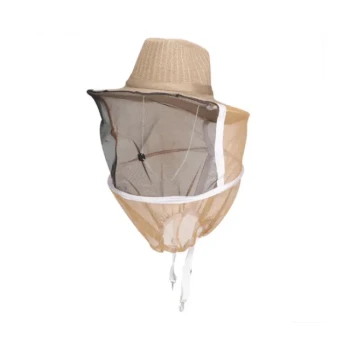
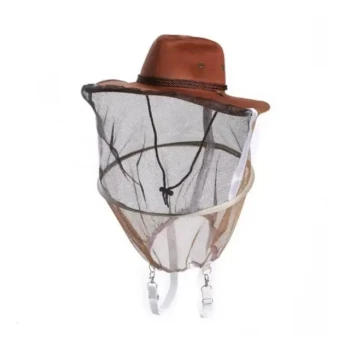
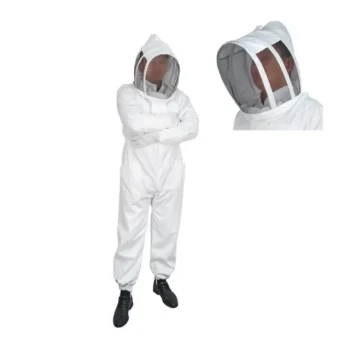
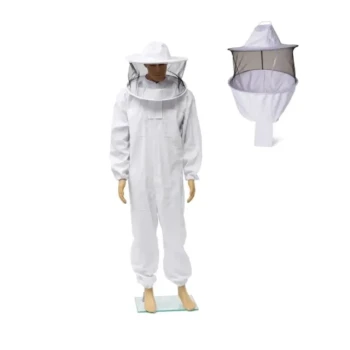
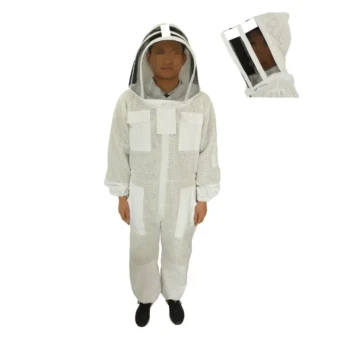
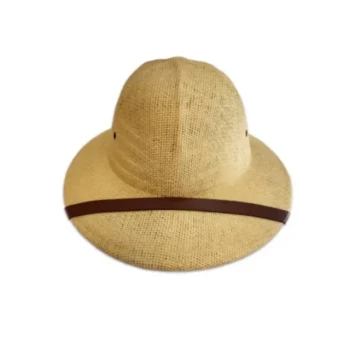
Professional-grade protective gear acts as the fundamental enabler of effective beekeeping education. While its explicit purpose is to provide a comprehensive physical barrier against stings, its significance in a training environment is defined by its ability to neutralize the psychological fear of injury. By securing the student’s safety, this equipment allows for the focus and calm required to master delicate hive operations.
The Core Insight: In beekeeping training, safety gear is not just about preventing pain; it is a psychological tool that removes the distraction of fear. This allows students to shift their cognitive focus from self-preservation to mastering the precise, calm operational logic required for professional apiary management.
The Psychological Impact on Learning
Neutralizing Instinctive Fear
For trainees, the natural human reaction to a buzzing hive is a "fight or flight" stress response. Professional-grade veils and clothing dampen this response by guaranteeing a secure environment.
When the fear of being stung is removed, the trainee's mind is free to absorb information. This psychological safety is a prerequisite for effective practical instruction.
Establishing Calm Operational Logic
A secure working environment allows technicians to maintain what is known as "calm operational logic." Without the anxiety of potential attacks, movements become slower and more deliberate.
This reduction in human stress directly benefits the colony. It minimizes erratic movements that would otherwise agitate the bees, reducing stress-induced interference with the hive.
Facilitating Advanced Technical Skills
Enabling Delicate Operations
High-level beekeeping requires fine motor skills for tasks such as queen identification and colony inspections. Professional gear provides the confidence necessary to perform these invasive procedures.
Without robust protection, a student might rush these tasks. With it, they can perform detailed internal hive operations, such as queen rearing and colony integration, with the necessary precision.
Increasing Training Frequency
Developing proficiency requires repetition. Professional protective consumables allow for high-frequency routine apiary management.
Students can work with colonies for extended periods without risk. This extended exposure is vital for learning how to distinguish between healthy and unhealthy hive developments.
Understanding the Trade-offs
The Glove Dilemma: Protection vs. Dexterity
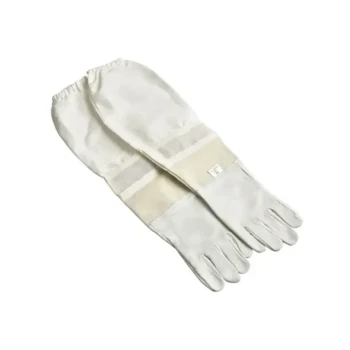
Gloves represent a critical trade-off in beekeeping gear. They must offer a tough barrier against stings while maintaining enough tactile sensitivity for handling frames.
Thick gloves offer maximum safety but can make handling delicate combs clumsy, potentially leading to accidental bee deaths. High-quality professional gloves aim to balance high-strength puncture resistance with the dexterity needed for precise maneuvering.
Reliance and Aggressive Species
In regions with highly aggressive species, such as Africanized honey bees, professional gear shifts from a training aid to a survival necessity.
However, reliance on heavy gear should not replace learning to read bee temperament. The gear safeguards the human, but the technician must still strive for gentle handling to ensure the quality of the honey and the safety of the colony.
Making the Right Choice for Your Goals
To maximize the value of protective gear in your training program, consider your specific operational objectives:
- If your primary focus is building student confidence: Prioritize full-body suits and high-protection veils to completely eliminate fear during the initial learning curve.
- If your primary focus is fine motor skill acquisition: Select gloves that offer a balance of puncture resistance and tactile feedback to ensure precise queen handling and grafting.
- If your primary focus is managing aggressive colonies: Invest in gear made from high-strength materials designed specifically to withstand the intense pressure of sensitive, aggressive breeds.
True professionalization in beekeeping begins when the operator feels safe enough to treat the hive with the patience and respect it requires.
Summary Table:
| Feature | Training Significance | Impact on Learning |
|---|---|---|
| Psychological Safety | Removes "fight or flight" stress response | Shifts focus from self-preservation to skill acquisition |
| Professional Veils | Guarantees clear vision and facial protection | Allows calm observation of colony behavior |
| Technical Dexterity | Balances sting resistance with tactile sensitivity | Enables delicate operations like queen identification |
| Colony Health | Facilitates slower, deliberate movements | Reduces bee agitation and accidental colony loss |
Elevate Your Beekeeping Standards with HONESTBEE
At HONESTBEE, we understand that professional-grade protection is the foundation of a successful apiary business. We specialize in catering to commercial apiaries and distributors, providing a comprehensive wholesale range of high-quality beekeeping tools, machinery, and essential consumables.
From puncture-resistant gloves that balance safety with dexterity to advanced hive-making and honey-filling machines, we supply the hardware and expertise needed to scale your operations. Whether you are stocking a distribution network or upgrading a large-scale honey production facility, our portfolio offers the reliability you demand.
Partner with HONESTBEE to secure the best equipment for your team and customers.
Contact Us Today to Discuss Wholesale Solutions
References
- Cooper Schouten, John Caldeira. Improving the Effectiveness of Beekeeping Training: A Case Study of Beekeeping Instructors in Fiji. DOI: 10.1080/0005772x.2021.1885199
This article is also based on technical information from HonestBee Knowledge Base .
Related Products
- Goatskin Leather Beekeeper Gloves with Vent Long Sleeve for Beekeeping Honey Bee Sting Proof Protection
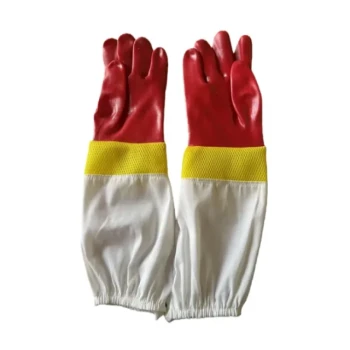
- Heavy Duty Red Rubber Beekeeping Gloves with Vented Mesh Cotton Sleeves
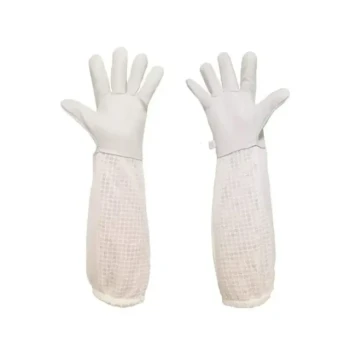
- Premium Ventilated Goatskin Beekeeping Gloves with Full 3-Layer Mesh Sleeve
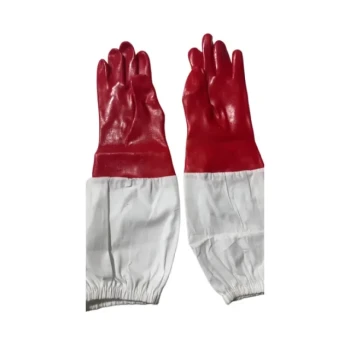
- Heavy Duty Red Rubber Beekeeping Gloves with Extended Pure Cotton Sleeves for Beekeepers
- Beekeeping Gloves Goatskin Leather with Long Cotton Sleeve for Beekeepers
People Also Ask
- What are the characteristics of goatskin beekeeping gloves? Enhance Dexterity and Protection in Your Apiary
- Why is it important to have gloves available even if not always worn? Essential Risk Management for Beekeepers
- What are the primary purposes of using beekeeping gloves? Protect Your Hands and Ensure Apiary Hygiene
- Why do some experienced beekeepers opt not to wear gloves? Discover the Benefits of Tactile Precision
- Why is it important for beekeepers to wear gloves? Essential Safety and Confidence for Hive Management