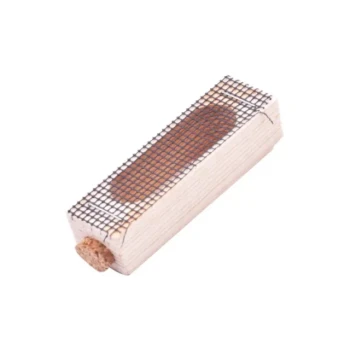
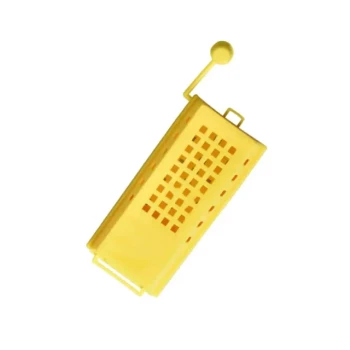
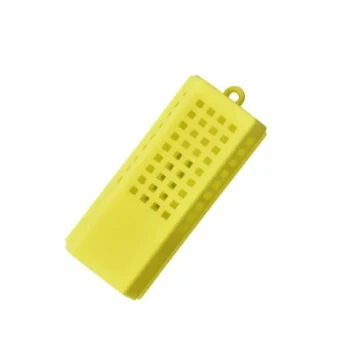
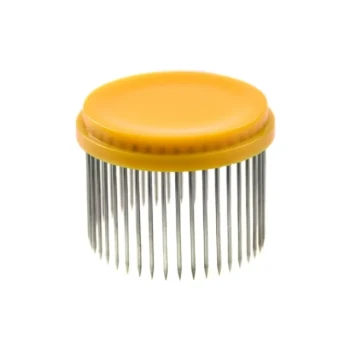
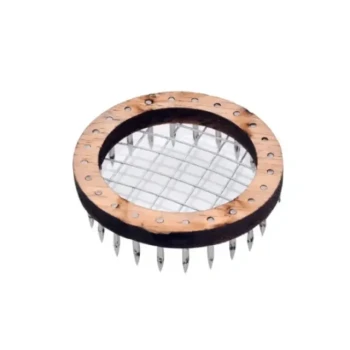
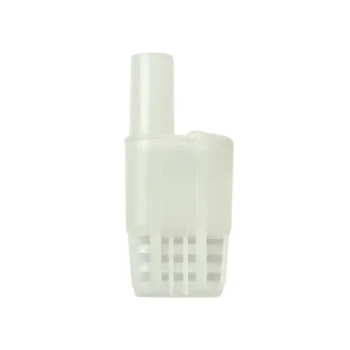
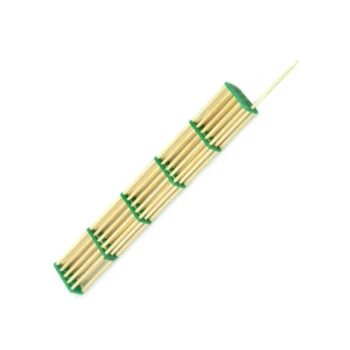
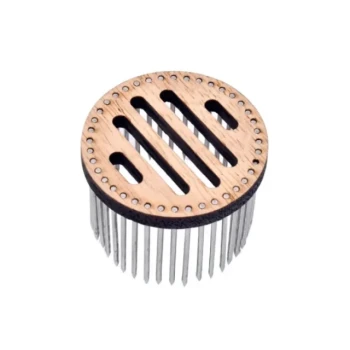
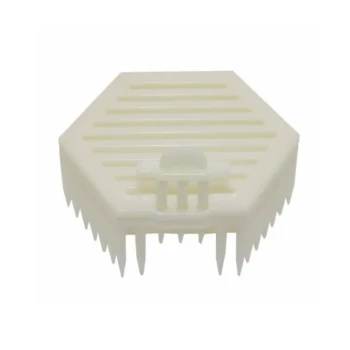
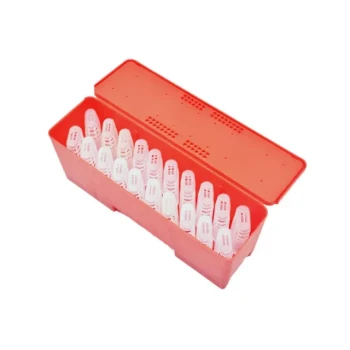
The primary function of a queen cage in Varroa management is to physically restrict the queen’s egg-laying activity to induce a temporary, artificial broodless period. By halting the production of new larvae, the cage deprives Varroa mites of the capped brood cells they require for reproduction, fundamentally disrupting their life cycle.
Core Insight: The queen cage is not merely a containment device; it is a synchronization tool. By forcing a broodless state, you compel 100% of the mite population to migrate onto adult bees, exposing them for highly efficient elimination.
The Mechanics of Brood Interruption
To understand the value of the queen cage, you must understand the limitation of treating a colony with active brood. Typically, a large percentage of mites are hidden beneath the wax cappings of brood cells, safe from many treatments.
Halting the Reproductive Cycle
Varroa mites are obligate parasites that require honeybee larvae to reproduce. When you cage the queen, you stop the supply of new eggs.
Over the course of roughly 21 to 25 days, all existing brood will hatch, and no new brood will take its place. This creates a "dead end" for the mites, as there are no longer any cells available for them to enter and reproduce.
Forcing the Phoretic Stage
Once the hive is completely devoid of capped brood, every surviving mite is forced into the phoretic stage.
In this stage, mites must attach themselves to the bodies of adult bees to survive. This is the critical turning point in the biological control process: the infestation moves from being partially hidden (inside cells) to fully exposed (on bees).
Maximizing Treatment Efficacy
The specific utility of the cage is to prepare the battlefield for the actual treatment. It converts a complex, protected infestation into a vulnerable one.
Creating the Optimal Window
The "window" occurs when the colony reaches a state of zero capped brood. At this precise moment, the entire mite population is exposed to the hive environment.
Because the mites are no longer shielded by wax cappings, they are fully susceptible to physical removal or chemical contact.
Enabling "Soft" Treatments
This exposure allows for the highly effective use of soft miticides, such as Oxalic Acid.
When applied during this broodless window, contact-based treatments can achieve near-total eradication. Without the caging process, these same treatments would fail to kill the mites hidden inside capped cells, leading to rapid re-infestation.
Understanding the Trade-offs
While queen caging is a powerful biological control method, it involves specific compromises that must be managed.
Disrupted Colony Growth
The most immediate trade-off is a pause in population growth. By stopping egg-laying for several weeks, you create a future gap in the workforce of the hive. This must be timed carefully to ensure the colony remains strong enough to forage or overwinter.
Equipment Dependency
This method relies on precise timing. If the queen is released too early (before all brood hatches), the "clean sweep" window is lost. If she is confined too long, the colony may suffer from a lack of young replacement bees.
Making the Right Choice for Your Goal
The queen cage is a tool of precision. Its effectiveness depends on how well you leverage the broodless period it creates.
- If your primary focus is maximum mite eradication: Combine the queen cage isolation period with a contact-based treatment (like Oxalic Acid) immediately once the colony is broodless.
- If your primary focus is minimizing harsh chemicals: Use the queen cage to break the mite reproductive cycle, reducing the population naturally before applying organic interventions.
By controlling the biology of the host, the queen cage renders the parasite vulnerable, significantly increasing the success rate of your pest management strategy.
Summary Table:
| Stage of Process | Role of the Queen Cage | Impact on Varroa Mites |
|---|---|---|
| Initiation | Physically restricts queen egg-laying | Stops the supply of new larvae for mite reproduction |
| Incubation | Maintains a 21-25 day isolation period | Forces mites out of capped cells as existing brood hatches |
| Phoretic Peak | Eliminates all available brood cells | 100% of mites are exposed on the bodies of adult bees |
| Treatment Window | Creates the optimal environment for miticides | Allows treatments to reach every mite without wax shielding |
Maximize Your Apiary Productivity with HONESTBEE
Efficient Varroa management starts with the right tools. HONESTBEE provides commercial apiaries and distributors with high-quality queen cages, hive-making machinery, and a full spectrum of beekeeping equipment designed for professional-scale success.
Whether you are looking for specialized hardware to automate your honey production or essential consumables for biological mite control, we offer a comprehensive wholesale portfolio tailored to your needs.
Contact HONESTBEE today to optimize your operation
References
- Kristina Gratzer, Robert Brodschneider. How Science Supports Honey Bees: Identification of Research on Best Practices in Beekeeping. DOI: 10.3390/insects16101025
This article is also based on technical information from HonestBee Knowledge Base .
Related Products
- Classic Wooden and Mesh California Queen Cage
- Durable Galvanized Steel Spring Queen Bee Cage
- Professional Queen Cage with Sliding Gate and Feeder Plug
- Professional Queen Bee Introduction and Transport Cage
- Professional Multi-Compartment Queen Cage with Sliding Lid
People Also Ask
- How are queen cages used to protect newly hatched queens? Secure Your Virgin Queens During Development
- Why are queen cages or grid cages used in bee studies? Achieve Precise Biological Data for Research
- Why are professional queen cages necessary for queen replacement? Secure Your Apiary’s Future
- What should be done if bees damage the queen cage? Secure Your Queen with These Emergency Intervention Steps
- What is the correct procedure for installing a queen cage into a new hive? A Pro Guide for Colony Success