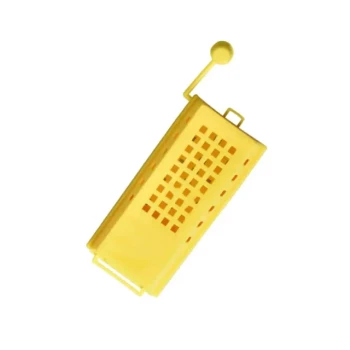
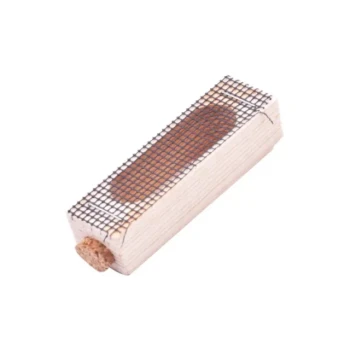
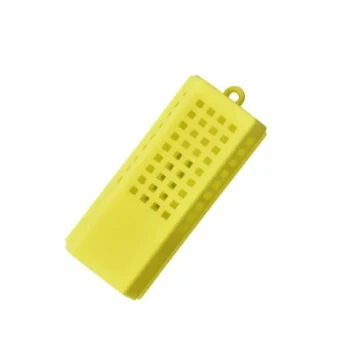
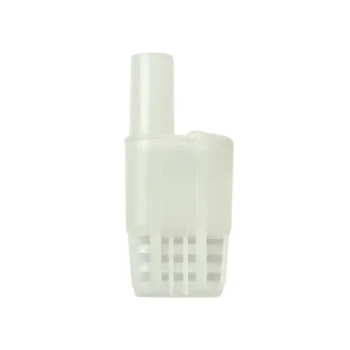
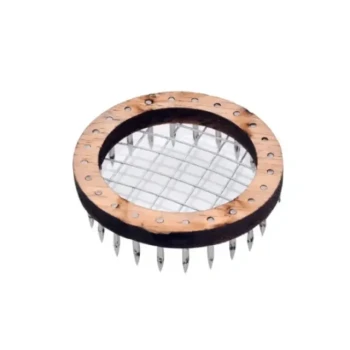
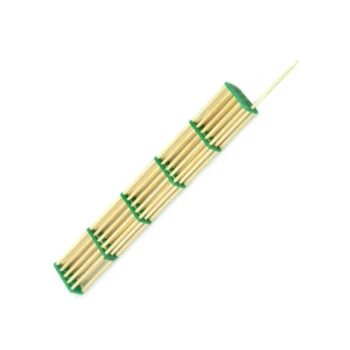
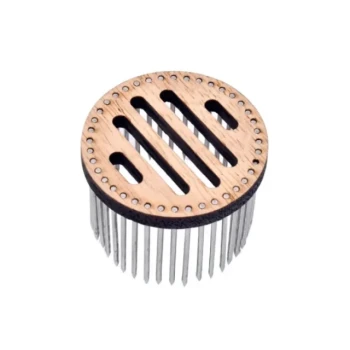
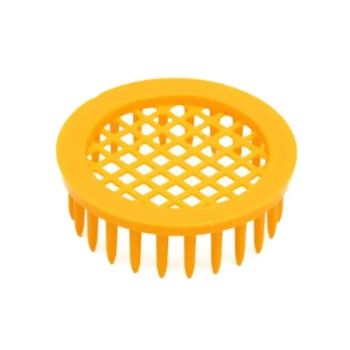
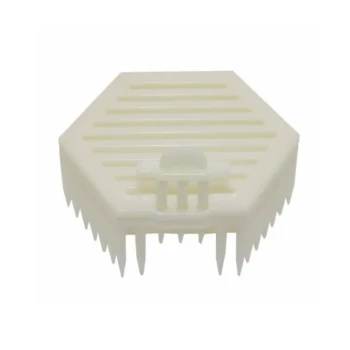
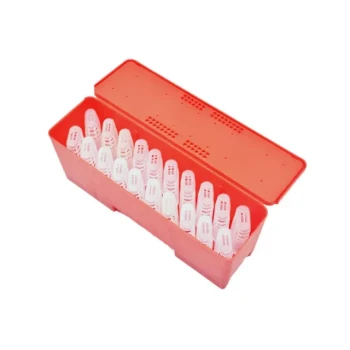
Queen cages, such as the JZBZ model, function as a biological time-lock that safeguards the queen during the critical acclimation period. By physically separating the new queen from the colony while permitting olfactory contact, these devices utilize a candy plug to enforce a delay; as worker bees consume the candy to release her, they are gradually habituated to her pheromones, suppressing their natural instinct to attack an "intruder."
Core Takeaway The queen cage is not merely a transport container; it is a mediation tool designed to synchronize the colony’s scent with the new queen. Its primary success factor is the slow-release mechanism provided by a candy barrier, which forces the colony to interact with the queen peacefully before physical access is possible.
The Mechanics of Gradual Acceptance
The introduction of a new queen is a battle against the colony's defensive instincts. A strange queen is initially perceived as a threat. The cage manages this biological transition through two distinct phases.
The Physical Buffer
Upon initial insertion, the cage acts as a protective barrier. It prevents the resident worker bees from balling (attacking and overheating) the queen.
This separation is vital because the colony needs time to realize they are queenless and to begin recognizing the specific pheromone signature of the new monarch.
Pheromone Diffusion
While the plastic or wood blocks physical attacks, the mesh screen allows air to circulate. This facilitates the diffusion of the queen's pheromones into the hive.
Over a period of days, this scent permeates the colony. The worker bees shift from aggression to acceptance, eventually feeding the queen through the mesh rather than trying to sting her.
The Time-Release System
The "timer" on this process is the candy compartment found in standard cages like the JZBZ.
The Candy Plug
The cage features a tube or compartment filled with fondant or stiff candy. When the beekeeper removes the protective cork or cap, the candy is exposed.
Worker bees must eat through this candy to free the queen. This process typically takes several days, which is the exact amount of time required for the pheromone acclimation described above.
The Marshmallow Alternative
If a cage lacks a candy plug, or if the original candy has dried out, a mini marshmallow can serve as a substitute.
After removing the cork, inserting a marshmallow provides a similar delay. It ensures the queen is not released immediately, maintaining the necessary buffer period.
Critical Placement for Success
A queen cage only works if it is positioned correctly within the hive's ecosystem.
Positioning in the Brood Nest
The cage must be suspended between two frames in the center of the brood box. This area is the heart of the colony, ensuring the queen stays warm and has maximum contact with nurse bees.
You rely on frame pressure to hold the cage in place. It is often necessary to temporarily remove an outer frame to create enough space in the center so the cage does not crush the bees against the adjacent comb.
Screen Orientation
The mesh screen of the cage must remain accessible. It should face the front or the gap between frames, not pressed flat against the wax.
If the screen is blocked, the queen cannot receive food from the workers, nor can her pheromones disperse effectively, leading to rejection or starvation.
Understanding the Trade-offs
While queen cages are the standard for introduction, improper management of the "release" variables can lead to failure.
The Risk of Premature Release
If the candy plug is too soft or the tunnel is too short, bees may chew through it in a matter of hours rather than days.
If the queen exits before her pheromones have integrated with the colony, she will likely be killed.
The Consequence of Obstruction
If the cork is left in by mistake, or if the candy is too hard (stale), the queen remains trapped indefinitely.
While she is safe inside, she cannot lay eggs, and the colony's development stalls. Furthermore, if she is trapped too long without nurse bees feeding her through the mesh, she may perish.
Making the Right Choice for Your Goal
To ensure a successful introduction, match your procedure to the state of the hive.
- If your goal is a Standard Re-queening: Remove the cork covering the candy immediately upon installation, ensuring the colony has been queenless for a short period so they are desperate for a replacement.
- If your goal is High-Security Introduction: Leave the cork in for 24-48 hours before exposing the candy; this creates a longer acclimation period for aggressive hives or high-value queens.
Success is confirmed not when the cage is empty, but when you observe workers feeding the queen through the mesh rather than biting at it.
Summary Table:
| Feature | Function in Queen Introduction | Impact on Success |
|---|---|---|
| Physical Barrier | Prevents workers from attacking/balling the queen | Ensures immediate queen safety |
| Mesh Screen | Allows pheromone diffusion and feeding | Facilitates colony-wide scent acceptance |
| Candy Plug | Acts as a biological time-release mechanism | Delays release until aggression subsides |
| Strategic Placement | Positioned in the center of the brood nest | Maintains queen temperature and nurse bee access |
Scale Your Apiary Operations with HONESTBEE
At HONESTBEE, we understand that successful queen introduction is the heartbeat of a productive apiary. We cater to commercial apiaries and distributors with a comprehensive wholesale offering designed to streamline your operations. From precision JZBZ queen cages to advanced honey-filling machines and hive-making hardware, our portfolio covers the full spectrum of beekeeping tools and industry consumables.
Why partner with HONESTBEE?
- Wholesale Excellence: Bulk supplies of reliable beekeeping essentials.
- Specialized Machinery: High-efficiency equipment for commercial honey production.
- Cultural Merchandise: Unique honey-themed products to expand your retail reach.
Ready to elevate your beekeeping business? Contact us today to explore our full catalog and secure the tools your bees deserve!
Related Products
- Durable Galvanized Steel Spring Queen Bee Cage
- Professional Queen Cage with Sliding Gate and Feeder Plug
- Classic Wooden and Mesh California Queen Cage
- Professional Queen Bee Introduction and Transport Cage
- Professional Multi-Functional Queen Bee Cage
People Also Ask
- Why are specialized queen bee cages used for the banking of mated queen bees? Maximize Commercial Apiary Storage Efficiency
- What is the mechanism of action for using temporary queen bee cages? Master Successful Queen Introduction
- What is the step-by-step process for installing a queen bee's cage onto a frame? Ensure Hive Acceptance Safely
- What is the optimal placement for a queen bee cage? Essential Strategies for Successful Re-queening
- What are the advantages and disadvantages of introducing a queen bee by embedding the cage? Boost Your Queen Acceptance