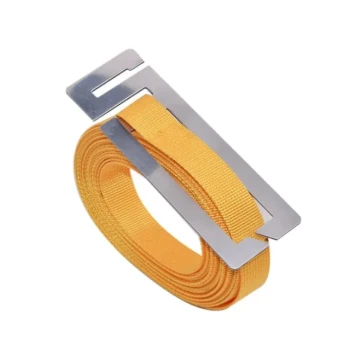
Structural reinforcement in wildlife-prone areas is a mission-critical technical requirement for defense-in-depth. This redundancy ensures that beehives and farm infrastructure can withstand direct physical force from large carnivores, such as brown bears, maintaining integrity long enough for active deterrents like electric fencing or guardian dogs to neutralize the threat. By slowing the rate of intrusion, these reinforced structures provide a vital window of time that prevents catastrophic asset loss.
Core Takeaway: Structural reinforcement acts as the essential physical foundation of an integrated defense strategy, providing the necessary "time buffer" for active security measures to engage and protect high-value agricultural assets.
The Engineering Behind Structural Redundancy
Creating a Buffer Against High-Mass Impact
Large carnivores like brown bears possess immense physical strength that can easily bypass standard, lightweight agricultural enclosures. Reinforced structures are engineered to absorb and distribute these initial kinetic forces, preventing the immediate collapse of the hive or shed.
Extending the Defensive Time Window
The primary technical goal of reinforcement is not necessarily to be "impenetrable" indefinitely, but to slow the rate of intrusion. This delay is critical because it ensures that secondary systems, such as electric shocks, have multiple opportunities to contact the predator during its attempts to break in.
Preserving Internal Asset Integrity
In the context of apiculture, structural failure often results in the immediate loss of the colony due to exposure or crushing. Structural reinforcement maintains the internal environment of the beehive even when the exterior is under duress, protecting the biological capital of the farm.
Integrating Reinforcement with Active Deterrents
Maximizing Electric Fencing Efficacy
Electric fencing is an active deterrent, but its effectiveness drops if a predator can simply bowl over a weak structure while ignoring the shock. Reinforced mounting points and rigid frames ensure that the fence remains correctly positioned, forcing the predator to remain in contact with the electrified elements longer.
Facilitating Guardian Animal Response
For farms utilizing livestock guardian dogs, every second of delay counts. Reinforced infrastructure prevents a "smash and grab" scenario, keeping the predator occupied and localized until the guardian animals can arrive to drive the intruder away.
Systemic Reliability through Synergy
A defense system is only as strong as its weakest link; relying solely on active measures creates a single point of failure. By adding structural hardening, distributors can offer a comprehensive solution that ensures the entire security ecosystem remains functional even if one component is temporarily overwhelmed.
Understanding the Trade-offs
Weight and Portability Challenges
Reinforcement often involves the use of heavier materials or more complex bracing, which can reduce the portability of beehives. For migratory beekeeping operations, this requires a careful balance between the need for protection and the logistics of frequent transport.
Increased Initial Capital Investment
High-quality reinforced components carry a higher upfront cost compared to standard equipment. However, from a professional industry perspective, this cost is an insurance policy against the total loss of hives, livestock, and production time.
Maintenance and Inspection Requirements
Reinforced systems may have more joints, welds, or specialized fasteners that require deep professional expertise to maintain. Neglecting regular inspections can lead to hidden structural fatigue, which compromises the integrity of the entire defense system over time.
Sourcing Strategic Infrastructure for B2B Success
How to Apply This to Your Project
To maximize the value for your clients and ensure the longevity of their operations, your sourcing strategy must prioritize high-performance, reinforced components. As a distributor, your role is to provide the full-spectrum portfolio that addresses these specific technical needs with speed and reliability.
- If your primary focus is asset protection in high-risk zones: Prioritize reinforced hive stands and heavy-duty enclosures that integrate seamlessly with high-voltage electric fencing.
- If your primary focus is rapid deployment for commercial clients: Utilize our ultra-fast delivery services to source modular reinforcement kits that can be added to existing infrastructure without downtime.
- If your primary focus is long-term durability and client trust: Leverage our deep industry expertise to select premium, weather-resistant reinforced materials that reduce the frequency of replacement and maintenance.
Investing in structurally reinforced infrastructure is the most effective way to secure agricultural productivity against the unpredictable physical demands of wildlife conflict.
Summary Table:
| Key Feature | Technical Necessity | Strategic Value for Apiaries |
|---|---|---|
| Kinetic Absorption | Resists impact from large carnivores | Prevents immediate hive destruction |
| Temporal Delay | Slows rate of predator intrusion | Grants time for active deterrents to engage |
| System Stability | Secure mounting for electric fences | Maintains integrity of electronic security |
| Asset Preservation | Protects the biological colony | Ensures continuity of honey production |
Partner with HONESTBEE for Resilient Beekeeping Solutions
As a distributor or commercial apiary, protecting your investment requires more than just standard gear—it demands high-performance, reinforced infrastructure. HONESTBEE is your premier partner for one-stop sourcing of the full spectrum of beekeeping tools, machinery, and essential consumables.
Why choose HONESTBEE?
- Comprehensive Portfolio: From specialized hive-making and honey-filling machines to durable hardware and honey-themed cultural merchandise.
- B2B Excellence: We offer competitive wholesale margins, OEM/ODM support, and deep professional industry expertise to help you scale.
- Rapid Fulfillment: Benefit from our ultra-fast delivery and efficient order processing to ensure your clients are never left unprotected.
Elevate your product offering with a supply partner that understands the technical demands of modern apiculture. Contact our team today to request a catalog and secure your inventory!
References
- Roman Cherepanyn, Yuriy Andreychuk. Conflicts between large carnivores and farmers/beekeepers in the Ukrainian Carpathians: Structure, dynamics, spatial distribution and effective coexistence measures. DOI: 10.15421/012435
This article is also based on technical information from HonestBee Knowledge Base .
Related Products
- Professional Galvanized Steel Frame Rest for Beehives
- Inner Beehive Cover for Beekeeping Bee Hive Inner Cover
- Metal Hive Feet Bee Hive Stand for Ant Protection
- Steel Round Disc Entrance Reducer for Flexzion Bee Hive Nuc Box Gate
- Stainless Steel Bee Hive Frame Wire for Beekeeping
People Also Ask
- What are the standard dimensions for frame rests in a beehive? Essential Guide for Perfect Bee Space
- How does balancing the number of frames impact hive productivity? Optimize Your Apiary's Biological Output
- What are the main considerations when choosing between wooden and plastic bee hive frames? Optimize Your Apiary's Efficiency
- How do wooden and plastic hive frames compare in terms of durability? Wood vs. Plastic Longevity & Repairability
- What are the main types of beehive frames used in modern beekeeping? Find the Perfect Fit for Your Apiary