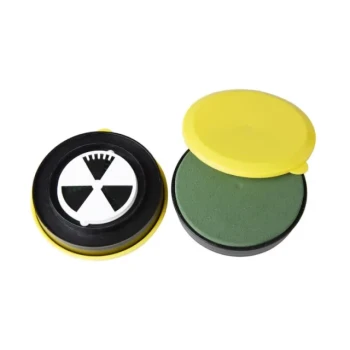
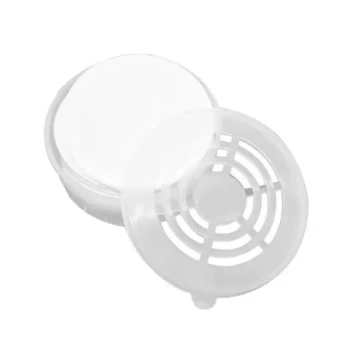
The technical rationale for the powder sugar shake method lies in its ability to physically disrupt the adhesive mechanism of Varroa mite feet. This non-destructive process uses high-fineness sugar as a physical isolation agent to detach mites from honeybees without the need for hazardous chemicals. By interfering with the mites' grip and stimulating natural bee grooming behavior, it enables the collection of high-vitality, live mites for research while ensuring the survival of the bee colony.
This method serves as the professional industry standard for non-destructive mite collection, leveraging physical mechanical interference to neutralize the parasites' ability to cling to hosts. It provides a chemically inert, highly efficient solution that preserves both the life of the bees and the purity of the honey.
The Biomechanics of Mite Detachment
Adhesive Pad Interference
The primary function of high-fineness sugar powder is to coat the specialized adhesive pads (pulvilli) on the feet of the Varroa destructor. Once these pads are covered in fine sugar particles, the mites lose their vacuum-like suction and mechanical grip on the bee’s cuticle. This physical isolation causes the mites to simply fall off their hosts when the collection jar is shaken.
Stimulated Grooming Reflex
The presence of fine powder on the honeybees acts as a physical irritant that triggers an autogenous grooming response. Bees instinctively begin to clean themselves and their hive mates to remove the foreign particles, which further assists in dislodging the mites. This dual-action approach—mechanical interference combined with biological behavior—results in high collection yields of live specimens.
Maintaining Specimen Vitality
Unlike alcohol washes or CO2 methods that can kill or stun the mites, the sugar shake method is entirely non-toxic. This is critical for laboratory settings or distributors supplying researchers who require live, high-vitality mites for drug screening or resistance testing. The sugar is easily removed from the mites later, leaving them in an optimal state for further study.
The Critical Role of High-Fineness Consumables
Maximizing Particle Surface Area
The effectiveness of the detachment is directly proportional to the fineness of the sugar powder. Finer particles provide a more uniform coating over the microscopic structures of the mite’s feet, ensuring more reliable detachment than coarser sugars. Professionals prioritize high-fineness consumables to ensure standardized results across different apiary locations.
Protection of Hive Purity
Because the powder sugar is an ecological consumable, it does not introduce chemical contaminants into the colony or the honey. This allows beekeepers to perform essential mite counts and collections even during the honey flow period. For distributors, offering premium, food-grade high-fineness sugar ensures their clients can maintain organic or chemical-free certifications.
Efficiency in Order Fulfillment and Sourcing
Reliable data depends on using standardized mesh (typically #8 hardware cloth) and consistent sugar quality. Sourcing these components from a single, expert provider reduces variability in testing results. High-efficiency distributors who offer a full-spectrum product portfolio allow beekeepers to acquire both the hardware and the specialized consumables in a single, rapid-response transaction.
Understanding the Trade-offs
Sensitivity to Environmental Humidity
The most significant limitation of this method is its sensitivity to ambient moisture. High humidity can cause the fine sugar powder to clump or become "tacky," which prevents it from properly coating the mites and may even stick the mites more firmly to the bees. Users must ensure that the sugar remains dry and free-flowing to maintain diagnostic accuracy.
Variable Collection Rates
While the sugar shake is highly effective for collecting live samples, it may not always be as precise as an alcohol wash for absolute population counts. If the bees are not shaken vigorously enough, or if the sugar quantity is insufficient, some mites may remain attached. This makes deep professional expertise and proper training essential for those implementing this method in the field.
Strategic Implementation for Your Operation
How to Apply This to Your Project
- If your primary focus is live specimen research: Ensure you utilize the highest fineness sugar available to maximize detachment without compromising the mites' biological integrity for subsequent drug trials.
- If your primary focus is commercial colony monitoring: Standardize your kits with #8 mesh lids and pre-measured sugar doses to ensure rapid, consistent mite counts across thousands of hives.
- If your primary focus is chemical-free honey production: Utilize this method exclusively during the honey flow to avoid the risk of synthetic miticide residues that could devalue your final product.
- If your primary focus is distribution and wholesale: Partner with a supplier that offers one-stop sourcing for both the physical jars and the specialized consumables to ensure your clients benefit from efficient order fulfillment and technical expertise.
By understanding the physical mechanics of mite adhesion, professionals can leverage the sugar shake method to maintain healthy colonies through precise, non-destructive diagnostic practices.
Summary Table:
| Key Element | Technical Rationale | Practical Benefit |
|---|---|---|
| Adhesive Interference | Fine sugar coats mite pulvilli (feet), breaking vacuum suction. | Non-destructive mite detachment. |
| Grooming Reflex | Particles trigger bees' natural cleaning behavior. | Higher collection yields of live mites. |
| High-Fineness Sugar | Increased surface area ensures uniform coating of mite feet. | Consistent, standardized test results. |
| Non-Toxic Process | Chemically inert method preserves specimen and hive purity. | Ideal for drug screening & organic honey. |
| Hardware Cloth | Standardized #8 mesh allows mites to pass while retaining bees. | High-vitality specimen collection. |
Scale Your Supply Chain with HONESTBEE’s Professional Solutions
Are you looking to provide your clients with the industry's most reliable beekeeping diagnostics and equipment? HONESTBEE caters specifically to distributors, wholesalers, and commercial apiaries, offering a one-stop sourcing advantage for the full spectrum of beekeeping technology.
From specialized consumables like high-fineness sugar to advanced honey-filling and hive-making machinery, we deliver:
- Comprehensive Portfolio: Everything from hardware to honey-themed cultural merchandise.
- Rapid Fulfillment: Efficient order processing and ultra-fast delivery to keep your stock ready.
- B2B Excellence: Premium trading services, including OEM/ODM support and deep industry expertise to boost your profit margins.
Partner with a supplier that understands the technical nuances of bee health. Contact us today to explore our wholesale offerings and see how our rapid-response service can grow your business.
References
- Lina Sprau, Peter Rosenkranz. Mite non‐reproduction is not a consequence of the brood removal behavior of varroa sensitive hygiene honey bee colonies (<i>Apis mellifera</i>). DOI: 10.1002/ece3.11595
This article is also based on technical information from HonestBee Knowledge Base .
Related Products
- Adjustable Formic and Acetic Acid Dispenser for Bee Mite Treatment
- Compact Circular Bee Mite Treatment Dispenser
- Oxalic Acid Vaporizer 12V for Bee Varroa Mite Treatment
- Durable 12V Oxalic Acid Vaporizer for Varroa Mite Treatment Beehive Beekeeping Tool
People Also Ask
- How is the process regulation function of a Formic Acid Dispenser implemented? Achieve Safe, Effective Varroa Control
- Why is a specialized formic acid evaporator necessary? Ensure Safe & Effective Varroa Mite Treatment
- What role do Formic Acid Dispensers play in the biochemical control of Varroa mites? Precision Mite Management
- What is the primary function of a specialized evaporation dispenser? Master Formic Acid Varroa Control
- What is the function of specialized application devices for Varroa? Precision Control for Healthier Bee Colonies