The technical significance of sampling squeezed honey lies in data integrity regarding biological origins. Squeezed honey retains a significantly higher and more original concentration of pollen compared to centrifuged samples. This method ensures that the pollen spectrum analysis accurately reflects the true foraging preferences of the bees and the specific ecological conditions of the geographical region.
Core Takeaway While centrifugal extraction is superior for commercial purity and efficiency, it acts as a filter that strips away critical biological data. For accurate composition analysis—specifically regarding botanical and geographical origin—squeezed honey provides the only complete "environmental snapshot."
The Science of Pollen Retention
Preserving the Ecological Footprint
When analyzing honey to determine its origin, pollen is the primary biomarker. Squeezing honey involves the physical compression of the honeycomb, which forces out the liquid honey along with the solid biological matter embedded within the cells.
This method captures the complete range of environmental biological information present in the hive. It prevents the loss of heavier or stickier pollen grains that might otherwise remain trapped in the comb during other extraction processes.
Accuracy in Spectrum Analysis
To understand the bees' actual foraging behavior, one must analyze the full "pollen spectrum." Squeezed samples provide a representation of this spectrum that is closer to the original state inside the hive.
By avoiding the separation forces of a centrifuge, squeezed honey ensures that the ratio of different pollen types remains unaltered. This allows researchers to map the specific vegetation and ecological conditions of the harvest region with greater precision.
Contrasting Extraction Mechanics
The Centrifugal Method (Industrial Standard)
Industrial extraction relies on high-speed rotation to generate centrifugal force. This efficiently separates the liquid honey from the comb structure without destroying the wax frames.
While this preserves the honeycomb for reuse and ensures a clear, consistent commercial product, it inadvertently separates out particulate matter. High-speed spinning often leaves pollen behind in the comb or separates it from the final liquid, altering the sample's biological composition.
The Compression Method (Analytical Standard)
Squeezed honey is obtained through "destructive harvesting," where the comb is physically pressed. This mixes honey, pollen, and sometimes beeswax into a composite sample.
While less visually appealing for consumers due to turbidity, this mixing is technically superior for research. It guarantees that the sample contains the maximum amount of biological evidence available in the hive.
Understanding the Trade-offs
Analytical Richness vs. Commercial Purity
There is a direct inverse relationship between the "purity" required for the market and the "richness" required for analysis.
Centrifuged honey is prized commercially because it is clear, free of debris, and consistent in flavor. However, from an analytical standpoint, this clarity represents a loss of data (pollen). Squeezed honey is biologically rich but commercially impure.
Destructive vs. Sustainable Harvesting
Squeezing is a destructive process; it crushes the honeycomb structure. This forces bees to expend significant energy and time rebuilding the wax foundation, shortening the production cycle for the colony.
Centrifuging preserves the structural integrity of the comb. This allows beekeepers to reuse frames, significantly increasing production efficiency and honey yield, albeit at the cost of lower pollen density in the final product.
Making the Right Choice for Your Goal
To select the correct sampling method, you must define the primary objective of your operation.
- If your primary focus is Compositional Analysis: Choose squeezed honey to ensure the pollen spectrum is intact and accurately reflects geographical and botanical origins.
- If your primary focus is Commercial Production: Choose centrifuged honey to maximize yield, maintain comb integrity, and produce a clear, market-ready product.
- If your primary focus is Hive Health: Choose centrifuged extraction to allow for the reuse of combs, reducing the energy burden on the bee colony.
Ultimately, squeezed honey is the gold standard for scientific traceability, while centrifuged honey is the gold standard for sustainable production.
Summary Table:
| Feature | Squeezed Honey (Analytical) | Centrifuged Honey (Commercial) |
|---|---|---|
| Extraction Method | Physical compression/crushing | High-speed rotation (centrifuge) |
| Pollen Retention | Maximum (Full biological data) | Reduced (Filtered by force) |
| Data Integrity | High (Environmental snapshot) | Lower (Altered spectrum) |
| Product Clarity | Turbid/Opaque (Rich in solids) | Clear/Consistent |
| Comb Reusability | None (Destructive) | High (Sustainable) |
| Primary Use Case | Scientific research & tracing | Wholesale & commercial retail |
Elevate Your Beekeeping Operation with HONESTBEE
Whether you are conducting rigorous laboratory analysis or scaling a commercial apiary, HONESTBEE provides the industrial-grade machinery and precision tools you need to succeed. As a leading supplier for commercial apiaries and distributors, we offer a comprehensive wholesale range including:
- Advanced Machinery: High-efficiency honey-filling machines and precision hive-making equipment.
- Extraction Tools: Durable centrifuges for high-yield production and tools for analytical sampling.
- Consumables & Merchandise: A full spectrum of essential beekeeping supplies and honey-themed cultural goods.
Contact HONESTBEE today to streamline your production and secure the highest quality equipment for your business!
References
- Swati Dixit, S.K. Bera. Melissopalynological studies of western part of Almora District, Uttarakhand. DOI: 10.54991/jop.2013.335
This article is also based on technical information from HonestBee Knowledge Base .
Related Products
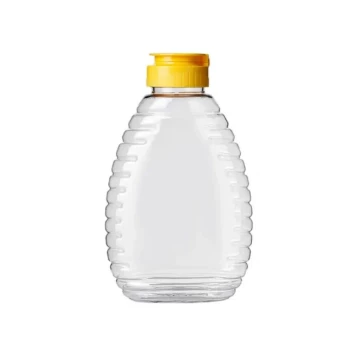
- Squeezable No-Drip Beehive-Shaped Honey Jars with Flip-Top Cap
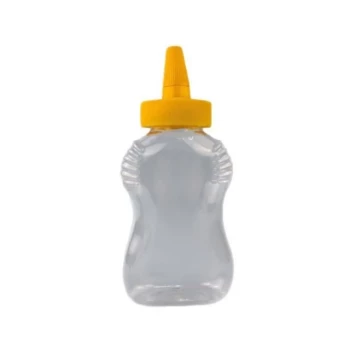
- Ergonomic Squeezable Honey Bottle with Precision Twist Nozzle Cap
- Inverted Squeezable Honey Jar with No Drip Flip Top Cap for Easy Pouring
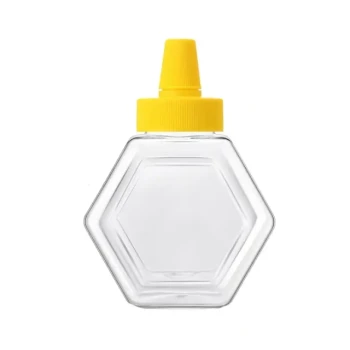
- Hexagonal Squeeze Honey Bottle with No Drip Lid
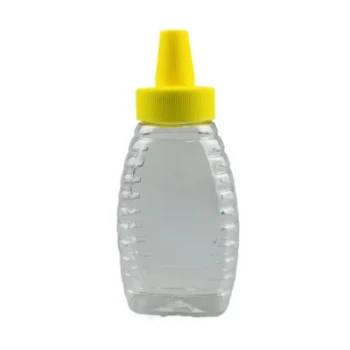
- Classic Beehive Honey Bottle Jar with Squeeze Dispenser Lid
People Also Ask
- What food safety standards must honey containers meet? Expert Guide to Packaging Integrity & Hygiene
- Why is it important to distinguish between weight and volume when selecting honey containers? Maximize Profits Now
- What are the benefits of purchasing honey containers in bulk? Maximize Margins & Secure Your Supply Chain
- What types of containers are ideal for storing liquid honey? Preserve Quality with Glass or Plastic
- How many jars of honey can you get from a hive? Maximize Your Yield with Strong Hive Management