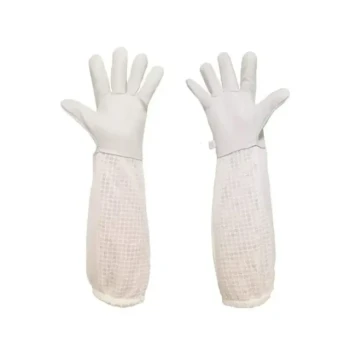
The management of Africanized bees requires a rigorous approach to safety and behavioral control. Professional protective equipment acts as a critical physical barrier against this specific demographic’s intense defensiveness, while smokers utilize cool smoke to disrupt alarm pheromones and induce a docile state in the colony. Together, these tools provide the necessary stability to perform inspections, pest control, and harvesting without compromising operator safety or operational continuity.
Core Takeaway: While protective gear safeguards the operator, the smoker actively manages the colony's behavior. The synchronized use of both is the only way to transform volatile interactions with Africanized bees into controlled, scientific management opportunities.
Ensuring Operational Continuity Through Protection
Mitigating High Defensive Behaviors
Africanized honey bees are characterized by high levels of defensiveness. Without industrial-grade barriers, their aggressive response to disturbance can make colony management impossible.
Professional-grade suits and reinforced veils provide a comprehensive shield. This allows beekeepers to remain in the field for extended periods, even during agitation, without the risk of injury.
Enabling Precision and Detail
High-quality protective gear does more than stop stings; it reduces the psychological stress on the operator. When the fear of injury is removed, the beekeeper can focus on detailed observation.
Professional veils with high transparency allow for the detection of parasites like Varroa mites. They also facilitate the identification of the queen bee, which is essential for accurate health assessments.
Preserving Labor Efficiency
Inadequate protection leads to interrupted work and beekeeper fatigue. By preventing stings, professional gear ensures that labor efficiency is not lost to injury or retreat.
This continuity is vital for commercial operations where time is money. It allows for uninterrupted harvesting and maintenance schedules regardless of the colony's temperament.
Behavioral Control via the Smoker
Disruption of Alarm Communication
The smoker is the primary tool for colony stability. It generates cool smoke that masks or disrupts the alarm pheromones released by guard bees.
By cutting off this chemical communication line, the smoker prevents the rapid escalation of aggression typical of Africanized colonies.
Inducing a Docile State
Beyond masking pheromones, smoke triggers a survival instinct in the bees. It causes them to gorge on honey in preparation for potential hive abandonment.
This engorged state makes the bees physically slower and significantly more docile. This temporary calm is what allows for invasive procedures like frame extraction and honey harvesting.
Facilitating Invasive Procedures
Routine maintenance, such as hive splitting or pest control treatments, requires significant disturbance of the hive structure.
A well-operated smoker minimizes stress during these events. It ensures that frames can be extracted smoothly, protecting both the colony structure and the quality of the harvest.
Understanding the Limitations
The Trade-off of Dexterity
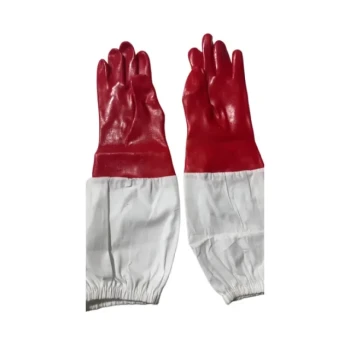
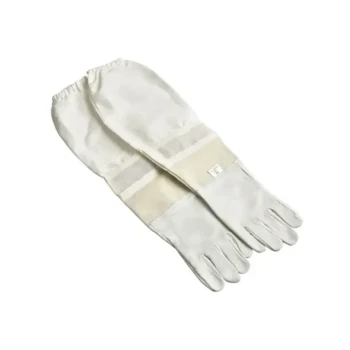
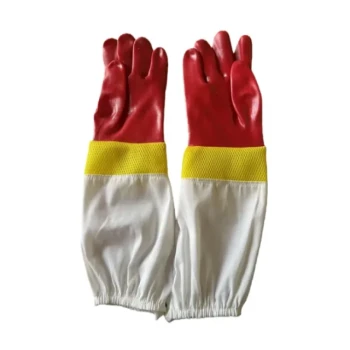
While heavy-duty, abrasion-resistant gloves offer maximum protection against Africanized stings, they can reduce manual dexterity.
Beekeepers must balance the need for armor with the need for refined motor control. Loss of dexterity can lead to clumsy handling of frames, which may inadvertently crush bees and incite further aggression.
The Necessity of "Cool" Smoke
Not all smoke is effective. The references emphasize the generation of cool smoke.
Hot smoke can singe bees or cause panic rather than calm. Proper technique is required to ensure the smoke remains at a temperature that induces gorging rather than damaging the livestock.
Making the Right Choice for Your Goal
To select the right approach for your apiary, consider your primary operational objectives:
- If your primary focus is Scientific Observation: Prioritize high-transparency veils and "cool" smoking techniques to ensure accurate data collection on parasites and queens without disturbing natural behavior.
- If your primary focus is Commercial Production: Invest in heavy-duty, reinforced suits to ensure labor efficiency and zero downtime during intensive harvesting periods.
Mastering these tools is not just about avoiding stings; it is about establishing a controlled environment where precise, data-driven management decisions can be made with confidence.
Summary Table:
| Tool Type | Primary Function | Operational Impact |
|---|---|---|
| Professional Suits/Veils | Physical Barrier | Enables precision work, reduces stress, and prevents labor downtime. |
| Beekeeping Smoker | Behavioral Control | Disrupts alarm pheromones and induces a docile state via honey gorging. |
| Reinforced Gloves | Sting Protection | Protects against intense aggression but requires a balance with manual dexterity. |
| High-Transparency Veils | Visual Monitoring | Essential for detecting Varroa mites and identifying the queen bee accurately. |
Elevate Your Apiary Safety with HONESTBEE
Managing volatile Africanized honey bee colonies requires more than basic tools—it demands industrial-grade reliability. HONESTBEE provides commercial apiaries and distributors with the professional equipment needed to transform high-risk environments into productive operations.
Our comprehensive wholesale range includes:
- Advanced Protective Gear: Reinforced suits and high-clarity veils designed for maximum safety and visibility.
- Precision Machinery: Hive-making and honey-filling machines to scale your production.
- Essential Consumables: A full spectrum of beekeeping tools and industry essentials.
Whether you are supplying large-scale operations or managing high-volume harvests, our expertise in beekeeping hardware and cultural merchandise ensures your success.
Contact HONESTBEE Today to access our full catalog and secure wholesale pricing for your commercial needs!
References
- José Arilson de Souza, Deyvison de Lima Oliveira. A APICULTURA EM RONDÔNIA (AMAZÔNIA LEGAL): ESTUDO DE CASO SOBRE O ARRANJO PRODUTIVO LOCAL DA APICULTURA NO CONE SUL. DOI: 10.22410/issn.1983-036x.v23i2a2016.1075
This article is also based on technical information from HonestBee Knowledge Base .
Related Products
- Premium Cowboy Beekeeper Hat with Visibility Veil Outdoor Professional Beekeeping Protective Gear
- Professional Square Folding Wire Mesh Beekeeping Veil
- JZBZ Style Push-In Cell Protector for Professional Queen Rearing Kits
- Professional Beekeeping Suit for Kids and Girls Childrens Bee Keeper Suit
- Premium Cotton Beekeeper Suit with Reinforced Fencing Veil
People Also Ask
- What design features contribute to the stability and fit of the beekeeper hat? Key Features for Maximum Hive Safety
- How is the beekeeper hat designed for comfort and practicality? Explore Key Features for Enhanced Apiary Safety
- What is the general protective gear recommendation for new beekeepers? Your Essential Beginner's Safety Guide
- How does beekeeping protective gear facilitate the queen bee selection process? Enhancing Precision in Queen Breeding
- What should beekeepers consider when choosing protective gear? A Guide for Maximum Safety & Comfort