Preventing the introduction of bee diseases requires a proactive strategy focused on hygiene, biological monitoring, and nutritional support. Key practices include the regular sanitization of beekeeping equipment and the routine replacement of old honeycombs to eliminate pathogen reservoirs. Furthermore, maintaining colony health involves regular screenings for parasites, providing high-quality supplemental nutrition, and conducting consistent weekly inspections to assess brood and queen status.
Disease prevention is not just about cleaning; it is a holistic management system. By combining strict equipment sanitation with regular brood inspections and nutritional support, beekeepers can minimize pathogen load and boost the colony’s natural immune resilience.
Maintaining Equipment and Hive Hygiene
Regular Sanitization of Gear
Tools and protective gear can easily become vectors for disease. Beekeepers must perform regular sanitization of beekeeping equipment to prevent the mechanical transfer of bacteria or spores from one hive to another.
Managing Comb Age
Dark, blackened wax often acts as a sponge for chemicals and disease spores. The routine replacement of old honeycombs is a critical maintenance step to minimize the accumulation of pathogens within the hive's physical structure.
Vigilance Through Inspection and Screening
Weekly Hive Inspections
Consistency is the key to early detection. Beekeepers should conduct weekly hive inspections to establish a baseline for normal bee behavior, making it easier to spot anomalies immediately.
Assessing Brood and Queen Health
During these inspections, specific attention must be paid to brood patterns and queen health. Spotty brood or a failing queen are often the first visible indicators that a disease is taking hold.
Parasite Screening
Visual checks are rarely sufficient for managing microscopic or elusive threats. Regular screenings for parasites are essential to quantify infestation levels and determine if treatment thresholds have been reached.
Supporting Colony Immunity
The Role of Supplemental Nutrition
A malnourished colony lacks the biological energy to fight off infection. Providing high-quality supplemental nutrition, particularly during food shortages or "dealiths," is vital to boost immune health and ensure the bees remain robust enough to resist disease introduction.
Understanding the Trade-offs
Disruption vs. Detection
While weekly inspections are necessary for monitoring health, they can be disruptive. Opening the hive changes the internal temperature and humidity, potentially stressing the bees; inspections must be efficient to minimize this impact.
Resource Investment
Replacing old honeycombs and providing high-quality supplements requires financial and labor investment. Beekeepers must view this not as a loss, but as an insurance policy against the much higher cost of losing a colony to disease.
Building a Resilient Apiary
Successful disease prevention relies on integrating these habits into a consistent workflow rather than treating them as optional tasks.
- If your primary focus is reducing pathogen reservoirs: Prioritize the routine replacement of old honeycombs and strict tool sanitization to remove physical sources of disease.
- If your primary focus is early detection: Commit to weekly inspections that specifically target parasite screening and the analysis of brood patterns.
A proactive approach to sanitation and nutrition transforms beekeeping from crisis management into sustainable stewardship.
Summary Table:
| Practice | Frequency | Key Benefit |
|---|---|---|
| Equipment Sanitization | After every use | Prevents mechanical transfer of pathogens |
| Comb Replacement | Every 2-3 years | Eliminates pathogen reservoirs in old wax |
| Hive Inspections | Weekly | Early detection of brood or queen issues |
| Parasite Screening | Monthly (seasonal) | Quantifies infestation for timely treatment |
| Supplemental Nutrition | During nectar dearths | Boosts immune resilience and colony energy |
Elevate Your Apiary’s Resilience with HONESTBEE
Maintaining a healthy apiary requires more than just good habits—it requires the right tools. HONESTBEE is dedicated to supporting commercial apiaries and distributors with high-performance beekeeping machinery and equipment. From precision honey-filling machines to durable hive-making hardware and essential industry consumables, our wholesale portfolio is designed to streamline your sanitation and maintenance workflows.
Partner with us to access the specialized equipment you need to protect your bees and scale your operations. Contact us today to discuss your wholesale needs and see how our expertise can add value to your beekeeping business.
Related Products
- White Cotton Beekeeping Jacket and Veil for Bee Keepers
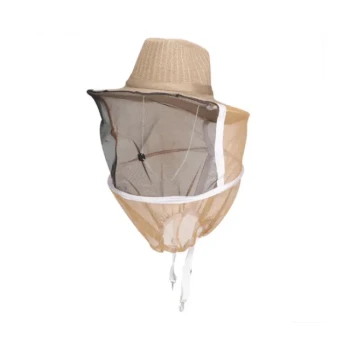
- Premium Cowboy Beekeeper Hat with Visibility Veil Outdoor Professional Beekeeping Protective Gear
- Plastic Beetle Blaster Trap Beekeeping Tools and Supplies
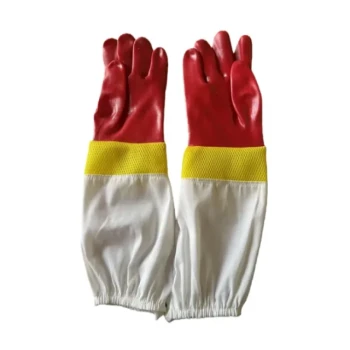
- Heavy Duty Red Rubber Beekeeping Gloves with Vented Mesh Cotton Sleeves
- Beekeeping Gloves Goatskin Leather with Long Cotton Sleeve for Beekeepers
People Also Ask
- What are the features of an economical beekeeping jacket? Essential Protection for Budget-Conscious Beekeepers
- What are the pros of using a beekeeping jacket? Unlock Superior Comfort and Mobility for Your Apiary
- What factors should a new beekeeper consider when choosing between a jacket and a full suit? Security vs. Comfort
- What are the advantages of a beekeeping jacket? Superior Mobility & Comfort for Routine Hive Inspections
- When is a beekeeping jacket considered a more suitable choice than a full suit? Optimize Your Apiary Mobility