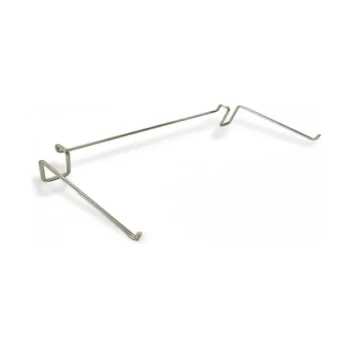
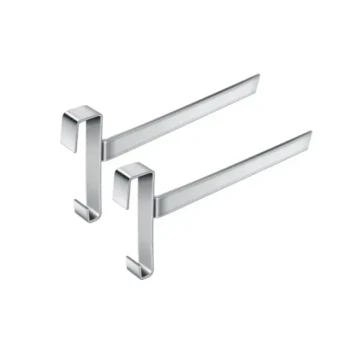
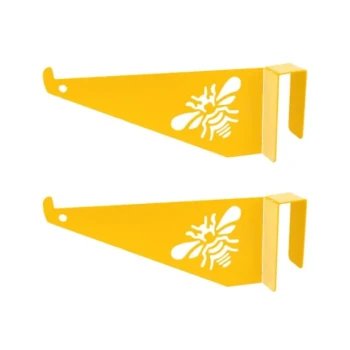
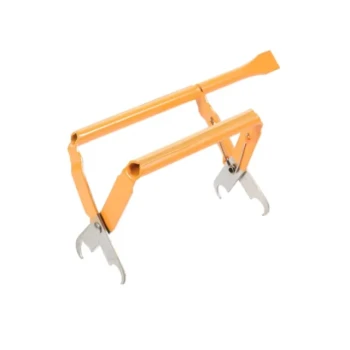
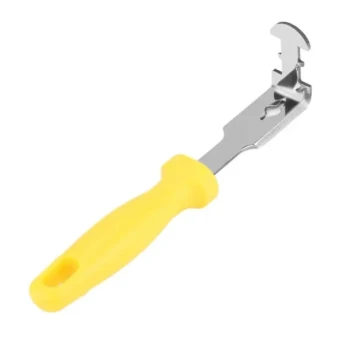
A frame perch is constructed entirely from stainless steel. This material is chosen for its high durability and resistance to the elements, ensuring the tool can support the weight of hive frames without bending or corroding over time.
The frame perch utilizes stainless steel to provide a robust, sanitary platform that simplifies the process of hive inspections.
The Significance of Material Choice
Durability in the Field
The use of stainless steel is critical for beekeeping equipment. It ensures the perch remains rust-free despite constant exposure to outdoor weather conditions and the moisture inherent inside a beehive.
Structural Integrity
A frame perch must hold significant weight when loaded with honey-heavy frames. Stainless steel provides the necessary rigidity and tensile strength to support these frames securely without warping.
Design Configurations
Available Variations
While the material remains consistent, the design does vary. Frame perches are manufactured in both 1-piece and 2-piece versions.
Operational Purpose
Regardless of the specific configuration, the stainless steel construction serves a singular goal: simplifying hive inspections. It creates a temporary, safe structure to hang frames, allowing the beekeeper to work more efficiently.
Practical Considerations
Maintenance and Hygiene
One of the distinct advantages of stainless steel is its ease of cleaning. Beekeepers can easily scrape off propolis or wax and sanitize the tool, preventing the spread of disease between hives.
Limitations of Rigid Materials
While stainless steel is durable, it is also rigid. Unlike flexible plastic tools, a metal frame perch does not give; it requires a standard hive box edge to function correctly and must be handled with care to avoid scratching wooden hive components.
Making the Right Choice for Your Goal
When selecting a frame perch, the material quality is a constant, but the configuration may vary based on your preference.
- If your primary focus is long-term durability: Rely on the stainless steel construction to withstand years of heavy use and weathering.
- If your primary focus is workflow efficiency: Utilize the perch to temporarily hold frames, leveraging the structural strength of the steel to keep combs safe during inspections.
The stainless steel frame perch is an essential, lasting investment for streamlined colony management.
Summary Table:
| Feature | Specification |
|---|---|
| Primary Material | 100% Stainless Steel |
| Design Options | 1-Piece or 2-Piece Configurations |
| Key Benefits | Rust Resistance, High Load Capacity, Easy Sanitization |
| Primary Use | Temporary Frame Storage During Hive Inspection |
| Maintenance | Scrape-clean for Propolis/Wax; Chemical Sanitizer Safe |
Scale Your Beekeeping Success with HONESTBEE
Equip your commercial apiary or distribution network with high-performance tools designed for longevity. At HONESTBEE, we specialize in providing professional-grade beekeeping machinery and equipment—from stainless steel frame perches to advanced honey-filling machines and essential consumables.
Our wholesale solutions are tailored to help you maintain superior hive hygiene and operational efficiency. Contact us today to discuss how our comprehensive product portfolio can support your business growth.
Related Products
- Stainless Steel Bee Hive Frame Wire for Beekeeping
- Heavy-Duty Stainless Steel Clip-On Frame Perch
- Heavy-Duty Stainless Steel Frame Perch
- Heavy-Duty T-Style Frame Perch
- Professional Stainless Steel J-Hook Hive Tool
People Also Ask
- What are the arguments for and against wiring beehive frames? Balance Durability and Management Flexibility
- What are the drawbacks of wiring beehive frames? Key Limitations and Structural Trade-offs Revealed
- How is the wire secured at the top of the frame? A Guide to Locking in Tension for Strong Honeycomb
- What factors determine the amount of wiring needed in beehive frames? Tailor Your Strategy for Your Climate
- What tools are needed to wire a beehive frame? Essential Equipment for Durable Frame Construction