For commercial Apis cerana pollination, the essential package is a transport-stable hive, reliable ventilation, secure fastening, and practical colony-management tools. Each hive must withstand loading, vibration, unloading, and changing temperatures without shifting boxes, damaging combs, or overheating the colony. Because Apis cerana has a shorter flight range, equipment selection must also support accurate hive placement close to the target crop.
Commercial pollination with Apis cerana depends less on a single specialized product than on an integrated system: standardized hive hardware, transport protection, ventilation, durable frames, and tools for inspection and colony management. A complete, interchangeable product portfolio improves colony safety, field efficiency, and order fulfillment for commercial operators.
Build a Transport-Ready Apis cerana Hive System
Durable Hive Bodies and Boxes
Use strong wooden hive bodies or dense synthetic alternatives with accurate dimensions, secure corner joints, and sufficient durability for repeated handling. The selected format should match local Apis cerana management practices while maintaining interchangeability across the operation.
Standardized boxes simplify stacking, replacement, repairs, and inventory management. For distributors and commercial users, dimensional consistency is particularly important because incompatible components create delays during peak pollination periods.
Secure Frames and Comb Support
Frames must fit the chosen hive body precisely and remain stable during transport. Rigid, well-supported frames help reduce comb movement and the risk of comb collapse caused by vibration or sudden handling.
Maintain a reliable supply of replacement frames and other hive consumables. Commercial operations cannot afford to suspend deployment because a small number of damaged or mismatched components are unavailable.
Hive Fasteners, Straps, and Transport Brackets
Every hive stack requires secure fasteners, heavy-duty straps, or reinforced transport brackets to prevent boxes from separating during loading and transit. These components should be easy to apply in the field and strong enough for repeated use.
Fastening equipment is not a substitute for careful loading. Hives should still be stacked securely, protected from impact, and handled in a way that minimizes vibration and sudden movement.
Control Heat and Airflow During Migration
Ventilated Migration Covers and Screens
Ventilated covers or migration screens are essential when colonies are moved in warm conditions. They allow air exchange while helping keep the hive components together during transport.
Ventilation equipment should be selected as part of the hive system rather than treated as an accessory. A cover that fits poorly can create escape points, restrict airflow, or complicate rapid loading.
Screened Bottom Boards
Screened bottom boards can improve air circulation during transit, particularly when colonies are moved through hot weather or across large temperature changes. They should be compatible with the hive body and protected from blockage during transport.
Ventilation must be balanced with colony security. Excessive openings or poorly fitted screens can increase the risk of bees escaping or equipment shifting.
Heat- and Weather-Resistant Hive Materials
Durable hive bodies, covers, and transport components must tolerate repeated exposure to changing climates. Commercial migration may involve movement between warm agricultural areas and cooler northern or mountainous regions.
Materials that resist cracking, warping, and repeated impact reduce replacement needs. This supports more predictable fleet availability and faster fulfillment of pollination orders.
Equip the Apiary for Efficient Hive Management
Essential Hive Inspection Tools
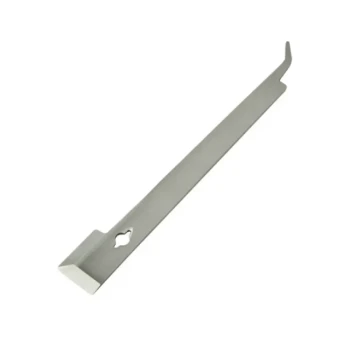
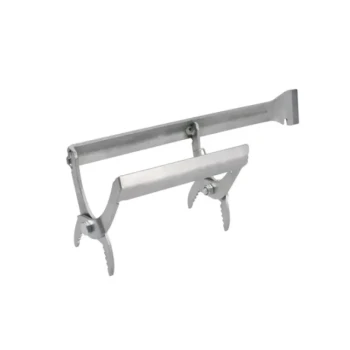
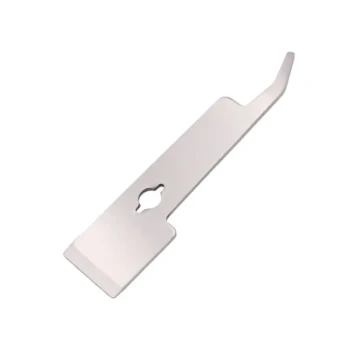
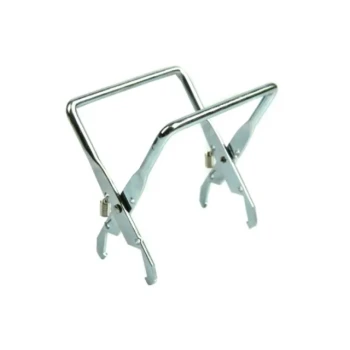
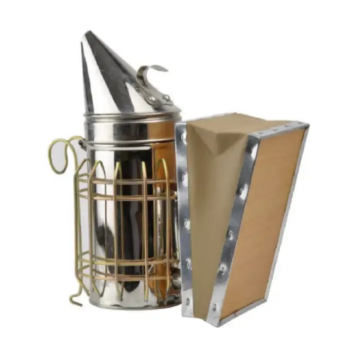
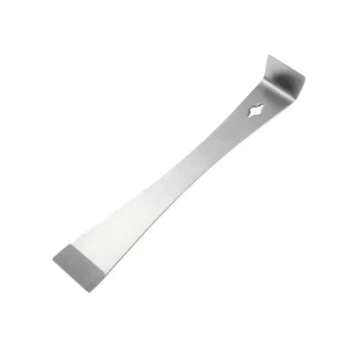
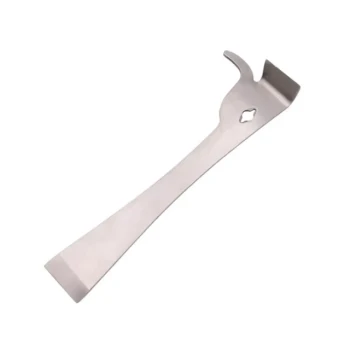
Commercial crews need dependable hive tools and inspection equipment for opening boxes, separating components, checking frames, and carrying out routine colony management. Tools should be robust, easy to clean, and practical to use under field conditions.
The objective is controlled intervention. Efficient inspection helps operators identify colonies that are not stable enough for transport or that require attention before placement in a crop.
Colony-Splitting and Population-Management Tools
Colony-splitting tools and management equipment support the creation, balancing, and maintenance of pollination colonies. These tools are useful when operators need to divide colonies or adjust colony availability across successive crop contracts.
Splitting should be based on colony condition and local beekeeping practice. Equipment can make the process safer and more consistent, but it cannot replace skilled assessment of colony strength.
Protective Management Equipment
Protective clothing and related handling equipment are necessary for safely inspecting, loading, unloading, and relocating colonies. Commercial work often involves repeated operations across many hives, so comfort, durability, and ease of cleaning matter.
A complete protective-equipment range also helps distributors serve different customer sizes, from individual beekeepers to large commercial crews.
Hive-Making Machinery and Repair Capability
For larger operations, hive-making machinery can produce accurately dimensioned hive bodies and interchangeable frame components. Precision manufacturing supports secure stacking and reduces compatibility problems across the fleet.
Smaller operations may rely on purchased woodenware, while larger users may benefit from in-house assembly and repair. The correct supply model depends on colony volume, replacement rates, and transport frequency.
Match Equipment to Pollination Operations
Place Colonies Close to the Crop
Apis cerana is well suited to small-holding agricultural and horticultural crops, including apples, citrus, cucurbits, and sunflowers. Its shorter flight range makes placement accuracy especially important when the goal is dependable crop coverage.
Equipment therefore needs to support fast, safe deployment at multiple field locations. Portable, standardized hives and secure transport systems help crews position colonies where their foraging activity is most useful.
Plan for Repeated Seasonal Movement
Migratory operations may follow changing nectar flows or move colonies away from excessive summer heat. Repeated loading and unloading place more stress on boxes, frames, fasteners, and covers than stationary beekeeping does.
Select components as a fleet, not as isolated products. A compatible combination of hive bodies, frames, straps, brackets, screens, and covers improves handling speed and reduces failures in the field.
Maintain Operational Interchangeability
Interchangeable parts allow damaged components to be replaced without rebuilding an entire hive. This is valuable when pollination contracts require rapid turnaround between farms or flowering periods.
For distributors and wholesalers, a full-spectrum inventory—woodenware, hardware, ventilation products, frames, tools, protective equipment, and consumables—provides greater practical value than supplying hive boxes alone.
Understanding the Trade-offs
Ventilation Versus Hive Security
More airflow can help reduce heat stress, but poorly fitted screens or covers may allow escapes or fail during handling. Ventilation products must therefore provide both air exchange and physical containment.
Standardization Versus Local Hive Practice
Standardized equipment simplifies logistics and replacement, but Apis cerana operations should not adopt a hive format solely because it is common in Apis mellifera production. The chosen dimensions must suit local Apis cerana colonies, management methods, and available replacement parts.
Durability Versus Weight and Cost
Heavy-duty boxes and reinforced hardware generally improve service life, but they can increase purchase cost and handling weight. The best specification is the one that survives the expected transport cycle without making loading and unloading unnecessarily difficult.
Complete Supply Versus Overstocking
A broad product portfolio improves response times, but stocking every variation can create excess inventory. Distributors should prioritize compatible core systems and maintain fast access to replacement frames, straps, covers, screens, and other high-use items.
Making the Right Choice for Your Goal
A practical procurement program should begin with hive compatibility, transport conditions, migration frequency, and the scale of the pollination service.
- If your primary focus is colony safety during transport: Prioritize durable hive bodies, stable frames, secure fasteners, transport brackets, straps, ventilated covers, and screened bottom boards.
- If your primary focus is rapid field deployment: Standardize hive dimensions and interchangeable components so crews can load, replace, and redeploy equipment quickly.
- If your primary focus is supporting large commercial accounts: Offer a complete system covering woodenware, hive-making machinery, frames, transport hardware, ventilation products, hive tools, protective equipment, and consumables.
- If your primary focus is distributor or reseller performance: Build a reliable one-stop supply program with compatible products, responsive technical service, and rapid delivery of replacement parts.
- If your primary focus is pollination efficiency with Apis cerana: Combine portable hive equipment with careful placement near target crops, recognizing the species’ shorter flight range.
The strongest commercial system is one that keeps Apis cerana colonies secure, cool, interchangeable, and ready for timely deployment.
Summary Table:
| Category | Recommended Equipment | Key Considerations |
|---|---|---|
| Hive Hardware | Durable hive bodies, standard dimensions | Interchangeability, robustness |
| Frames & Comb Support | Precise frames, replacement frames | Comb stability, supply reliability |
| Transport Protection | Fasteners, straps, brackets | Secure stacking, easy application |
| Ventilation | Migration covers, screened bottom boards | Heat control, escape prevention |
| Inspection Tools | Hive tools, smokers | Controlled intervention, field usability |
| Management Tools | Splitting tools, protective gear | Colony balancing, worker safety |
| Machinery | Hive-making machinery (for large ops) | Precision, repair capacity |
Equip your commercial pollination service with HONESTBEE's comprehensive range of beekeeping tools, machinery, and consumables. From durable hive bodies and ventilation systems to hive-making machinery and protective gear, we support your fleet's safety and efficiency. Our one-stop sourcing, rapid response, and ultra-fast delivery ensure you're always ready for the season. Contact us today to discuss your wholesale needs and discover how we help distributors and beekeepers maximize profitability and reliability.
Related Products
- Stainless Steel J Hook Hive Tool for Beekeeping
- HONESTBEE Classic Pry Bar Hive Tool with High Visibility Finish for Beekeeping
- Multi-Function Plier-Style Frame Grip Hive Tool
- HONESTBEE Professional Mini J-Hook Hive Tool for Beekeeping
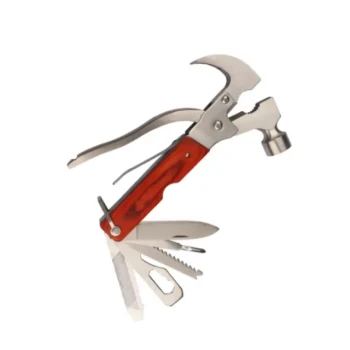
- HONESTBEE 15-in-1 Beekeeper Multi-Tool with Hammer and Pliers for Beekeeping
People Also Ask
- What specific challenges do beekeeping hive tools address during hive maintenance? Essential Solutions for Apiaries
- What is a J-hook hive tool and why is it favored by some beekeepers? Master Gentle Frame Handling
- What are the features of a J-hook hive tool? Effortlessly Lift Frames with Superior Leverage
- What is the purpose of the J-hook hive tool? Effortlessly Lift Frames with Superior Leverage
- How is a J-hook hive tool designed and what is its primary use? Master Effortless Hive Inspections