Optional extensions for a Langstroth beehive serve specific management purposes ranging from pest control to feeding. The primary optional components include a queen excluder to separate the brood from honey stores, an entrance reducer to modify the hive opening, a varroa inspection tray for parasite monitoring, and spacers to accommodate supplemental food.
These extensions transform a standard hive from a simple shelter into a managed environment, allowing the beekeeper to intervene precisely for colony health, resource protection, and honey purity.
Tools for Colony Management
The Queen Excluder
This device is a grid placed specifically between the brood box (where the queen lays eggs) and the honey supers (where surplus honey is stored).
Its primary function is to prevent the queen from moving up into the supers. By restricting her movement, you ensure that the honey harvested is free of brood (eggs and larvae).
The Entrance Reducer
This component fits onto the bottom board at the mouth of the hive.
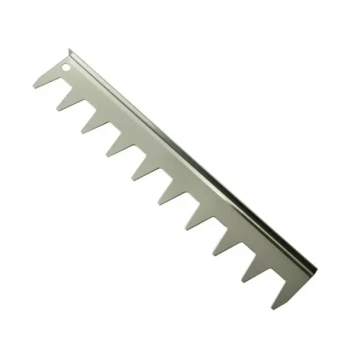
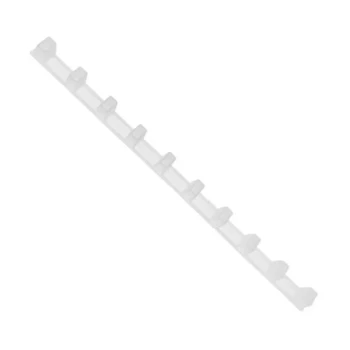
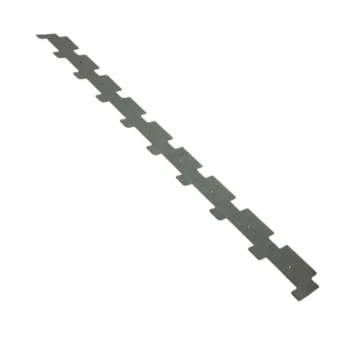
It physically shrinks the size of the opening. This is critical for helping a smaller colony defend against robber bees and wasps, or for regulating internal temperature during colder months.
Varroa Inspection Tray
A healthy hive requires monitoring for pests, specifically the Varroa destructor mite. An inspection tray creates a surface where fallen mites can be counted to estimate infestation levels.
Flexibility is a key feature of this extension. Depending on your specific bottom board setup, the tray can be positioned above, underneath, or integrated directly into the board itself.
Spacers for Feeding
Standard Langstroth components are designed for tight bee space, which leaves little room for external objects.
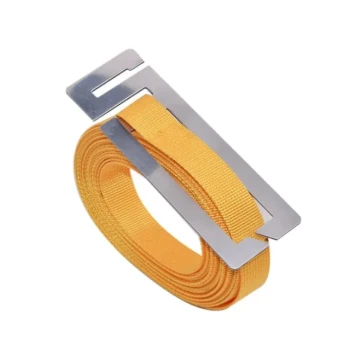
Spacers are added to create vertical gaps or voids within the stack. This additional headroom allows for the placement of supplied food, such as sugar cakes or pollen patties, directly on top of the frames.
Understanding the Trade-offs
Impact on Ventilation and Movement
While extensions solve specific problems, they can introduce new challenges if used incorrectly. For instance, a queen excluder effectively keeps brood out of honey, but some beekeepers argue it can slow down worker bees or damage their wings as they squeeze through the grid.
Temperature vs. Airflow
Similarly, an entrance reducer is excellent for heat retention in winter or defense in a dearth. However, if left in place during a heavy nectar flow or high summer heat, it can cause congestion at the entrance and limit necessary ventilation, potentially leading to overheating.
Making the Right Choice for Your Goal
These extensions are tools, not requirements; use them based on the current state of your colony.
- If your primary focus is harvesting clean honey: Prioritize the queen excluder to ensure your supers remain free of eggs and larvae.
- If your primary focus is colony defense or overwintering: Install an entrance reducer to help the bees guard their resources and maintain warmth.
- If your primary focus is pest management: Utilize the varroa inspection tray regularly to make data-driven treatment decisions.
- If your primary focus is emergency feeding: Use spacers to provide the necessary physical room for supplemental food without crushing bees.
Effective beekeeping is about observing the hive's immediate needs and deploying the right extension to meet them.
Summary Table:
| Extension Type | Primary Function | Key Benefit |
|---|---|---|
| Queen Excluder | Restricts queen to brood box | Ensures brood-free, clean honey harvest |
| Entrance Reducer | Shrinks the hive opening | Aids colony defense and heat retention |
| Varroa Tray | Collects fallen mites | Enables accurate parasite monitoring |
| Spacers | Creates vertical headroom | Accommodates supplemental food like patties |
| Screened Bottom | Increases airflow | Improves ventilation and pest management |
Elevate Your Apiary with HONESTBEE Professional Equipment
At HONESTBEE, we specialize in supporting commercial apiaries and distributors with high-quality, durable beekeeping solutions. Whether you need specialized honey-filling machines, hive-making machinery, or a complete range of Langstroth components and consumables, our wholesale portfolio is designed to maximize your operational efficiency.
From hardware to honey-themed cultural merchandise, we provide the tools you need to scale your business. Contact us today to discuss how our comprehensive equipment range can benefit your commercial beekeeping goals!
Related Products
- Langstroth Honey Bee Box Hive Boxes for Different Depths
- Long Langstroth Style Horizontal Top Bar Hive for Wholesale
- Australian Langstroth Beehive Boxes for Beekeeping Wholesales
- Telescopic Beehive Outer Cover Lid Roof with Galvanised Sheeting for Langstroth Hive and Beehive Outer Cover
- Solid Bottom Board Australian Pine Wood Langstroth Bottom Board for Wholesale
People Also Ask
- What role do standardized Langstroth boxes play in commercial apiary management and honey bee research? | HONESTBEE Guide
- What are the differences between the three standard depths of Langstroth boxes? Choose the Best Size for Your Apiary
- What are the primary advantages of using standardized Langstroth boxes? Scale Your Commercial Beekeeping Operation
- What are the typical uses for the different box sizes in a Langstroth hive? Master Hive Management & Efficiency
- What features of Langstroth hive boxes contribute to expandability and honey yield? Maximize Your Apiary Production