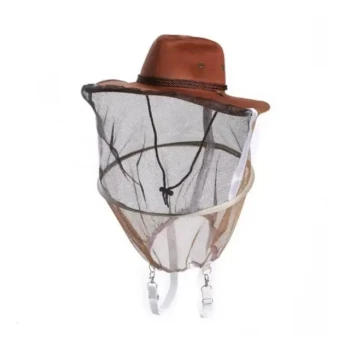
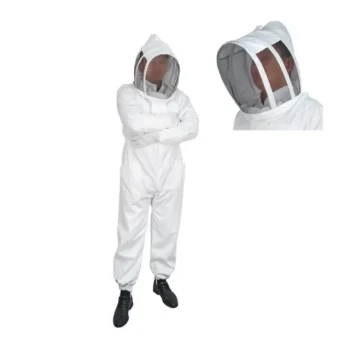
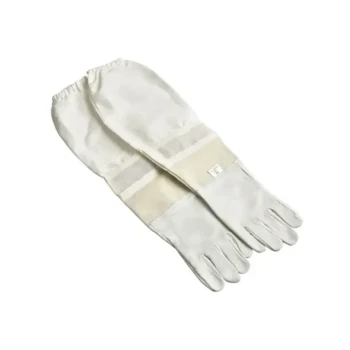
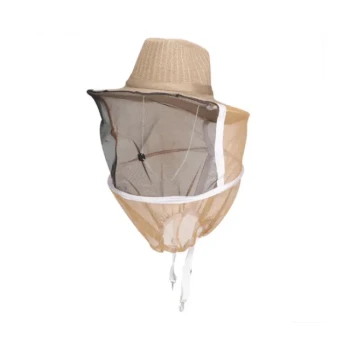
For routine commercial hive inspections, the essential kit is protective clothing, a smoker, and a durable hive tool. The core protective setup includes a full-body bee suit or ventilated jacket, secure mesh veil, sting-resistant gloves, and sturdy boots. The essential working tools are a bee smoker and heavy-duty hive tool, with frame grips or bee brushes adding control during frame handling.
A commercial apiary should standardize every inspection kit around full-coverage protection, a reliable smoker, and a strong hive tool. Supporting tools such as frame grips and bee brushes improve handling efficiency, but they do not replace the core safety equipment.
The Protective Gear Required for Routine Hive Work
Full-body suit or protective jacket
A full-body bee suit provides the most complete protection by covering the torso, arms, and legs. Ventilated designs can improve comfort during long inspections while maintaining coverage.
A protective jacket may be sufficient for lower-risk routine work, but commercial operations generally benefit from full suits when handling aggressive colonies, moving colonies, or working in conditions that increase sting exposure.
Veil and head protection
A fine mesh veil protects the face, neck, and head while preserving visibility during detailed colony checks. It should remain securely attached to the suit or hat so that bees cannot enter around the collar.
A brimmed hat or integrated hood helps keep the mesh away from the face and improves comfort. The veil is particularly important because facial and neck stings can cause operators to react suddenly near an open hive.
Protective gloves
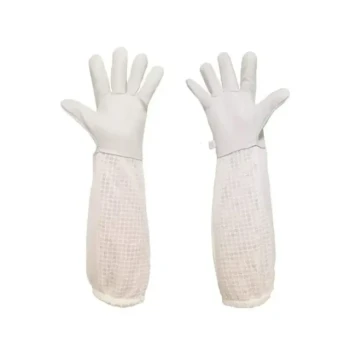
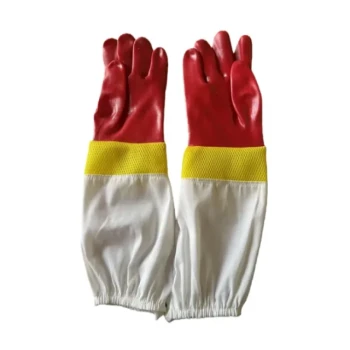
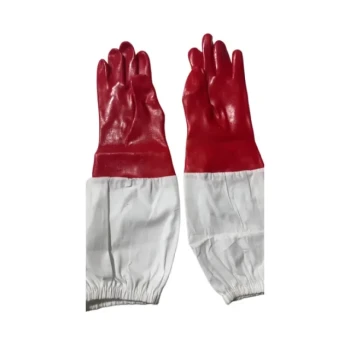
Beekeeping gloves reduce sting risk to the hands while allowing technicians to lift covers, manipulate frames, and operate tools. They should provide a practical balance between protection, flexibility, and grip.
Gloves are not completely sting-proof. Thick or poorly fitting gloves can also reduce tactile control, so the appropriate style depends on colony temperament, task risk, and technician experience.
Sturdy boots and sealed openings
Durable boots protect the feet and help prevent bees from entering through the lower legs. Suit cuffs should overlap securely with gloves and boots, with sealed wrist and ankle closures where possible.
For commercial teams, consistent sizing and compatible suit, glove, and boot designs reduce gaps in protection and simplify equipment allocation across multiple apiary sites.
The Essential Tools for Hive Inspection
Bee smoker
A bee smoker produces cool smoke that helps calm the colony before covers and frames are removed. Smoke disrupts the bees’ alarm response, including the response associated with alarm pheromones, making inspections more controlled.
A standard smoker includes a metal firepot and bellows. It should produce cool, manageable smoke rather than excessive heat, which can stress bees, damage comb, or create a safety hazard.
Commercial users should also standardize suitable smoker fuel and ensure that smokers are safely extinguished after use. A smoker is a management aid, not a substitute for protective clothing or careful colony handling.
Heavy-duty hive tool
The hive tool is the primary hand tool for opening and servicing a hive. Its metal edge provides leverage for separating hive bodies, covers, and frames sealed together with propolis.
It is also used to scrape excess wax and propolis and to reposition or maneuver wooden frames. A strong, corrosion-resistant tool is preferable for repeated commercial use because inadequate leverage can slow inspections and increase the risk of damaged equipment.
Frame grip or frame lifter
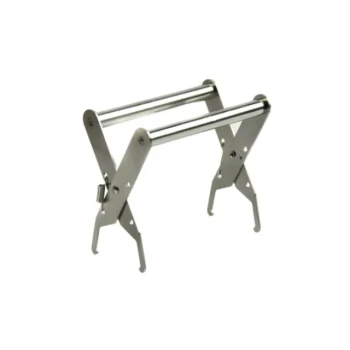
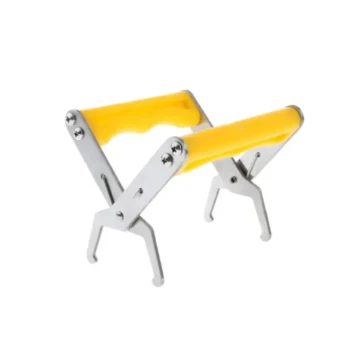
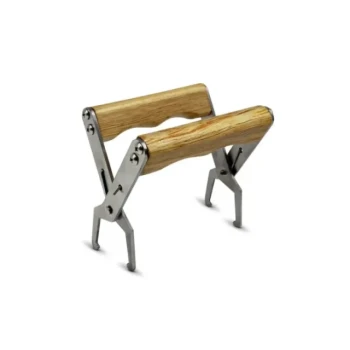
A frame grip helps technicians lift individual frames, especially when frames are tightly fitted or difficult to grasp with gloved hands. It can improve control when removing frames for queen, brood, or comb inspections.
Frame grips are supporting tools rather than replacements for a hive tool. The hive tool first creates space; the frame grip can then assist with controlled frame removal.
Bee brush
A bee brush can gently clear bees from equipment or frame surfaces when necessary. It is useful for specific handling situations, although excessive brushing can disturb bees and should be avoided.
For many operations, a brush is an optional addition to the standard kit rather than a primary tool. Its value depends on the inspection method and the type of colony work being performed.
Why Standardized Equipment Matters in Commercial Apiaries
It improves worker safety
Uniform protective equipment ensures that each technician begins an inspection with the same basic level of coverage. This reduces preventable exposure caused by missing veils, unsecured closures, or unsuitable footwear.
A complete kit also reduces the likelihood that workers will improvise when a hive becomes more defensive than expected.
It reduces inspection delays
A smoker, hive tool, and protective gear should be prepared before the hive is opened. Searching for equipment during an inspection wastes labor time and leaves the colony exposed longer.
For distributors and commercial buyers, preconfigured kits or clearly matched product ranges can simplify purchasing, replacement, and field deployment.
It supports consistent hive handling
Standardized hive tools and supporting frame-handling equipment help different technicians perform the same basic tasks with comparable methods. This improves workflow across multiple apiary sites and reduces unnecessary damage to frames and hive components.
Durability is especially important where tools are transported frequently, exposed to moisture, and used repeatedly during seasonal inspections.
Understanding the Trade-offs
Maximum protection versus mobility
Full suits offer the broadest protection but may be warmer and less flexible than jackets or lighter protective apparel. Lighter options can improve mobility during routine checks but provide less coverage if conditions change.
Commercial operations should match apparel to colony temperament, task risk, climate, and worker experience rather than treating one garment as suitable for every situation.
Protection versus dexterity
Heavy gloves provide greater sting resistance but can reduce fingertip sensitivity and grip. Thin or flexible gloves improve handling precision but may provide less protection.
The correct choice should support safe frame manipulation without encouraging workers to remove protection during active inspections.
Robustness versus transport weight
Heavy-duty steel hive tools generally provide better leverage and service life, but they add weight when technicians carry equipment between hives or remote sites. Lightweight tools are easier to transport but may be less suitable for tightly propolized equipment.
For commercial purchasing, the best balance is a durable, ergonomic tool that withstands repeated use without becoming unnecessarily burdensome.
How to Build the Right Commercial Inspection Kit
The exact configuration should reflect the apiary’s colony behavior, inspection frequency, climate, and logistics. At minimum, each field kit should include the following:
- If your primary focus is worker safety: Supply full-coverage bee suits or ventilated jackets, secure mesh veils, protective gloves, and sturdy boots with compatible closures.
- If your primary focus is inspection efficiency: Standardize a reliable smoker and heavy-duty hive tool for every technician and prepare them before opening the hive.
- If your primary focus is frame handling: Add frame grips or lifters, and provide bee brushes where the inspection process requires controlled bee removal.
- If your primary focus is commercial procurement: Source coordinated product ranges with consistent specifications, replacement availability, responsive service, and efficient order fulfillment.
- If your primary focus is long-term operating cost: Prioritize durable, cleanable protective wear and corrosion-resistant tools that can withstand repeated field use.
A standardized combination of reliable protection and practical hive tools gives commercial apiaries safer inspections, faster workflows, and more consistent colony management.
Summary Table:
| Equipment | Function | Key Considerations |
|---|---|---|
| Full-body bee suit | Provides complete body protection against stings | Ventilated designs for comfort |
| Mesh veil | Protects face and neck, maintains visibility | Secure attachment to suit or hat |
| Gloves | Reduces hand stings, allows tool manipulation | Balance protection with dexterity |
| Sturdy boots | Protects feet and prevents bees from entering | Overlap with suit cuffs |
| Bee smoker | Calms bees with cool smoke | Use cool smoke, manage fuel safely |
| Hive tool | Separates hive bodies and frames, scrapes propolis | Corrosion-resistant, sturdy |
| Frame grip | Lifts frames with control | Useful for tight frames |
| Bee brush | Gently clears bees from equipment | Optional; avoid excessive use |
Equip your commercial apiary with top-quality protective gear and tools from HONESTBEE. Our wholesale offerings include full-spectrum beekeeping supplies—from suits and smokers to hive tools and frame grips. We cater to distributors and beekeepers seeking reliable sourcing with rapid delivery, competitive margins, and expert support. For B2B inquiries, we provide OEM/ODM services, certifications, and dedicated service. Contact us today to streamline your procurement and keep your inspections safe and efficient. Get in touch now!
Related Products
- Premium Cowboy Beekeeper Hat with Visibility Veil Outdoor Professional Beekeeping Protective Gear
- Premium Cotton Beekeeper Suit with Reinforced Fencing Veil
- Goatskin Leather Beekeeper Gloves with Vent Long Sleeve for Beekeeping Honey Bee Sting Proof Protection
- Beekeeping Gloves Goatskin Leather with Long Cotton Sleeve for Beekeepers
- Goat Skin Leather Bee Sting Proof Beekeeping Gloves with Canvas Sleeve
People Also Ask
- What design features contribute to the stability and fit of the beekeeper hat? Key Features for Maximum Hive Safety
- How is the beekeeper hat designed for comfort and practicality? Explore Key Features for Enhanced Apiary Safety
- What is the general protective gear recommendation for new beekeepers? Your Essential Beginner's Safety Guide
- How does beekeeping protective gear facilitate the queen bee selection process? Enhancing Precision in Queen Breeding
- What should beekeepers consider when choosing protective gear? A Guide for Maximum Safety & Comfort