The process of collecting and molding beeswax primarily solves the problem of biological resource wastage by converting discarded comb residues into usable raw materials. Instead of treating these residues as trash, this processing technique stabilizes the material, turning it into a valuable byproduct that generates secondary income for beekeepers.
Core Insight: Molding beeswax is fundamentally a value-recovery operation. It bridges the gap between raw apiary waste and commercial utility, transforming a sticky, difficult-to-manage residue into a durable commodity ready for industrial, cosmetic, or artistic application.
Transforming Waste into Value
Recovering Biological Resources
The primary function of this process is resource recovery. Without collection and molding, the residues from honeycomb would simply be discarded.
By processing this material, beekeepers prevent the waste of valuable biological compounds. This turns a disposal problem into an asset management opportunity.
Economic Diversification
Molding beeswax solves the problem of reliance on a single revenue stream. It provides beekeepers with a secondary source of income that complements honey production.
Once formed into blocks or balls, the wax becomes a tradable good. It can be sold to various sectors, increasing the financial resilience of the apiary.
Practical Utility and Application
Enabling Industrial Use
Raw comb residue is difficult to transport and use in manufacturing. Molding the wax creates a standardized raw material required by downstream industries.
Processed beeswax blocks are the essential feedstock for cosmetic manufacturing, industrial lubrication, and candle production. The molding process makes the wax compatible with these commercial supply chains.
Customization for End-Use
The molding process allows the material to be sized according to its intended future application.
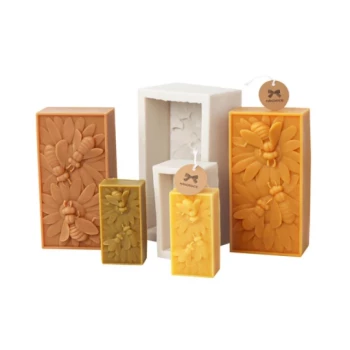
Using specific molds—such as silicone pans or rinsed milk cartons—allows the user to control the volume of the block. This ensures the final solid form is optimized for either long-term storage or immediate specific usage.
Operational Considerations and Trade-offs
The Necessity of Purity
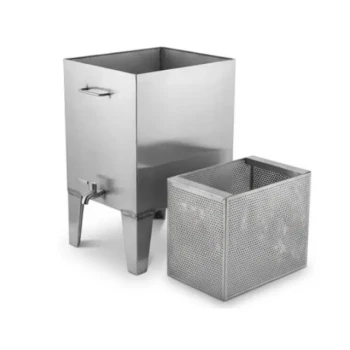
Molding alone is not enough; the wax must be filtered to the desired purity before being poured.
Creating a block out of unfiltered, dirty wax fails to solve the "value" problem, as the resulting product will be unsuitable for high-end applications like cosmetics. The molding step must follow a rigorous cleaning process.
Patience in Processing
There is a trade-off regarding time. To successfully create a solid block, the liquid wax must be left to cool overnight until it hardens completely.
Rushing this process can lead to structural issues or difficulty removing the wax from the mold. You must accept a slower processing time to ensure a high-quality, solid final product.
Making the Right Choice for Your Goal
To maximize the value of your beeswax, consider your specific objectives:
- If your primary focus is commercial sale: Prioritize high-purity filtration before molding to ensure the blocks meet the quality standards of cosmetic or industrial buyers.
- If your primary focus is convenient storage: Select mold sizes that stack easily and fit your available storage space, such as uniform silicone cake pans or milk cartons.
By converting residue into refined blocks, you effectively turn a maintenance byproduct into a versatile economic asset.
Summary Table:
| Problem Solved | Method / Process | Resulting Value |
|---|---|---|
| Resource Wastage | Collecting & processing comb residues | Conversion of waste into biological assets |
| Single Revenue Stream | Molding wax into tradable blocks | Secondary income source for beekeepers |
| Storage & Logistics | Standardized solid forms (balls/blocks) | Durable, stackable, and transportable goods |
| Industrial Incompatibility | Filtration and volume control | Ready-to-use feedstock for cosmetics & industry |
Unlock the Full Potential of Your Apiary with HONESTBEE
Turning beeswax waste into a profitable asset requires the right tools and expertise. At HONESTBEE, we empower commercial apiaries and distributors with the high-performance machinery needed to scale production. From advanced honey-filling systems to specialized hive-making machines and a comprehensive range of professional beekeeping tools, we provide everything you need to enhance efficiency.
Ready to transform your operations and maximize your secondary revenue? Contact us today to explore our wholesale equipment solutions and industry consumables tailored to your business goals.
References
- R. B. Jones. Beekeeping Around the World. DOI: 10.1080/0005772x.2000.11099467
This article is also based on technical information from HonestBee Knowledge Base .
Related Products
- Beeswax Foundation Sheets Beehive Foundation for Wholesale
- Colorful Silicone Beeswax Foundation Mold Mould for Beekeeping
- Economy Manual Beeswax Embossing Mill Wax Foundation Machine Roller
- Beeswax Melter for Candle Making Honey Bee Wax Melter
- Electric Beeswax Flat Sheet Machine with Operating Tray for Wax Processing
People Also Ask
- What are the technical advantages of beeswax foundations and feeding tools? Optimize Your Bee Breeding Phase
- Why is the regular exchange and replacement of beeswax foundations encouraged? Boost Honey Yield & Hive Biosafety
- What are the negative consequences of using old or contaminated beeswax in foundations? Protect Your Hive Today
- Why is high-purity natural beeswax essential for foundations? Prevent Larval Mortality & Boost Colony Health
- What are the specific advantages of regular comb replacement? Boost Hive Health with New Beeswax Foundations