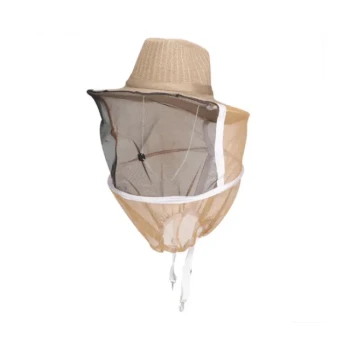
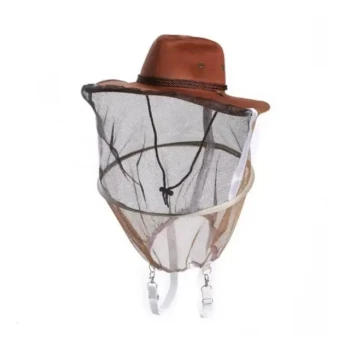
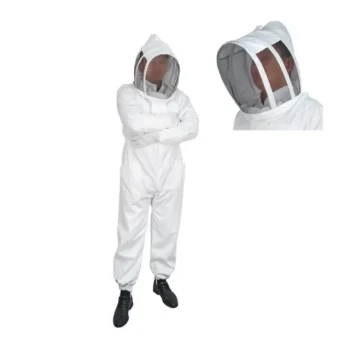
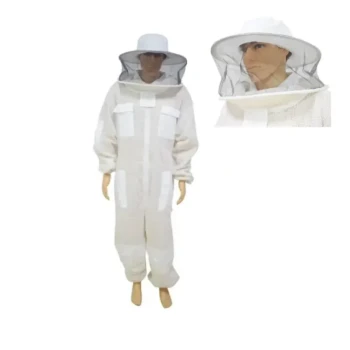
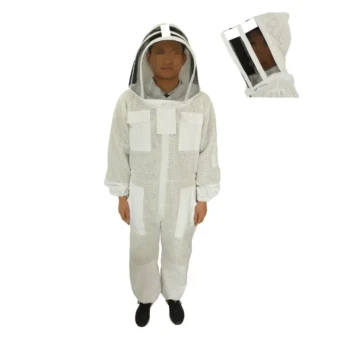
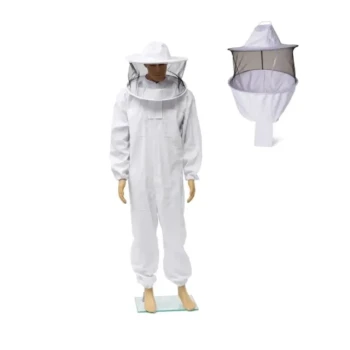
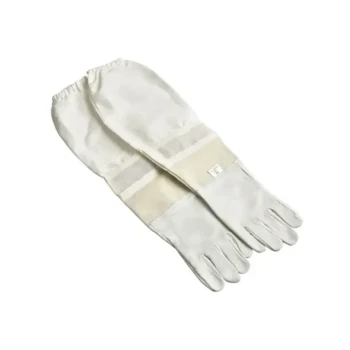
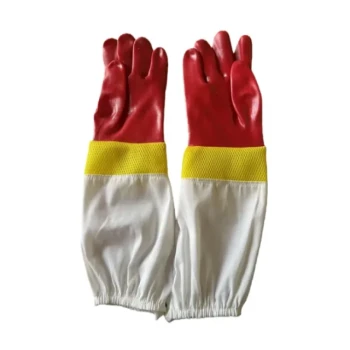
Specialized beekeeping protective clothing and veils function as a critical physical defense system designed to isolate the operator from colony hazards. This equipment utilizes high-strength fabrics and specialized sealing designs to effectively block bee stings. By creating a secure barrier, it prevents immediate physical injury and mitigates serious health risks, such as anaphylactic shock, while preserving the necessary visibility and flexibility for apiary tasks.
Professional protective gear does more than prevent pain; it is an operational enabler that allows for accuracy and continuity. By removing the fear of injury, it transforms volatile colony management into a controlled, precise workflow.
The Mechanics of Physical Protection
Comprehensive Barrier Systems
The primary function of this gear is to serve as a physical defense barrier. Professional suits and coveralls are constructed from high-strength fabrics and mesh that bees cannot easily penetrate with their stingers.
Specialized Sealing Designs
To ensure a secure working environment, this equipment employs specialized sealing designs. These closures—typically found at the wrists, ankles, and veil connections—prevent bees from crawling inside the clothing, which is essential for preventing panic and internal stings.
Critical Safety for Health
For many operators, this protection is a matter of life and death. The gear significantly lowers the risk of severe allergic reactions, specifically anaphylactic shock, by minimizing the probability of stings during high-intensity interactions.
Operational Impact on Apiary Management
Enabling Precision and Calmness
Safety assurance allows technicians to perform tasks with a calm, steady hand. When the risk of injury is removed, operators can conduct complex colony inspections and delicate harvesting tasks without rushing, leading to fewer operational errors.
Facilitating Extended Work Periods
Professional-grade gear enables beekeepers to work closely with colonies for extended periods. This endurance is vital for thorough hive maintenance and allows for detailed pest monitoring without the process interruptions caused by defensive bee behavior.
Handling Aggressive Colonies
In regions with highly sensitive or aggressive strains, such as Africanized honey bees, standard precautions are insufficient. Specialized protective consumables provide the robust defense required to maintain the frequency of routine management these volatile colonies demand.
Understanding the Trade-offs
Balancing Protection with Flexibility
While the primary goal is safety, the gear must not render the operator immobile. Specialized gear is designed to provide flexibility, allowing for the precise movement of frames and use of tools like hive scrapers. However, heavier protection can sometimes marginally reduce dexterity compared to working without gloves.
Visibility and Breathability
A completely sealed suit creates a microclimate that can be difficult to manage. Modern gear addresses this by using breathable materials and mesh veils to maintain visibility and airflow. The trade-off is finding gear that offers maximum sting resistance without causing the operator to overheat during high-intensity fieldwork.
Making the Right Choice for Your Goal
When selecting protective equipment, align your choice with your specific operational priorities:
- If your primary focus is Medical Safety: Prioritize gear with advanced sealing designs and heavy-duty fabrics to strictly prevent anaphylactic shock risks.
- If your primary focus is Operational Efficiency: Look for ergonomic, breathable designs that maximize flexibility and visibility to support extended, precise inspections.
By integrating professional-grade protection, you transition from reactive defensive beekeeping to proactive, standardized apiary management.
Summary Table:
| Feature | Protection Benefit | Operational Impact |
|---|---|---|
| High-Strength Fabrics | Blocks bee stings and physical injury | Allows for calm, steady hand movements |
| Specialized Sealing | Prevents bees from crawling inside gear | Eliminates panic and internal stings |
| Breathable Mesh Veils | Protects the face while maintaining sight | Ensures high visibility for delicate tasks |
| Ergonomic Design | Maintains physical dexterity | Supports extended work periods and flexibility |
Elevate Your Apiary Safety with HONESTBEE
At HONESTBEE, we understand that professional-grade protection is the foundation of a successful commercial operation. As a leading global supplier for commercial apiaries and distributors, we provide more than just equipment—we provide confidence.
Our comprehensive wholesale portfolio includes high-performance protective clothing, specialized hive-making machinery, and honey-filling equipment designed to standardize your workflow. Whether you are scaling your distribution or managing aggressive colonies, our tools ensure your team remains safe, efficient, and productive.
Ready to upgrade your professional beekeeping inventory?
Contact us today to explore our wholesale solutions
References
- MT Uddin, Md. Kamruzzaman. Value Chain Analysis of Honey in Bangladesh: Production Practices and Livelihood Perspective. DOI: 10.3329/sja.v19i2.57689
This article is also based on technical information from HonestBee Knowledge Base .
Related Products
- Beekeeper Cowboy Hat and Veil for Beekeeping
- White Cotton Beekeeping Jacket and Veil for Bee Keepers
- Beekeeping Jacket with Hood and Veil for Beekeepers
- Professional Square Folding Wire Mesh Beekeeping Veil
- Premium Cowboy Beekeeper Hat with Visibility Veil Outdoor Professional Beekeeping Protective Gear
People Also Ask
- What is the correct way to wash a beekeeping hat and veil? Safe Hand-Washing Guide to Protect Your Gear
- What are the components and importance of a beekeeper's hat and veil? Essential Safety Gear for Apiary Success
- What are the differences between a separated and an attached beekeeping hat and veil? Security vs. Versatility
- What are the design specifications for an effective beekeeping hat and veil? Professional Standards for Protection
- What is the function of a beekeeping hat and veil? Essential Protection for Safe Hive Management