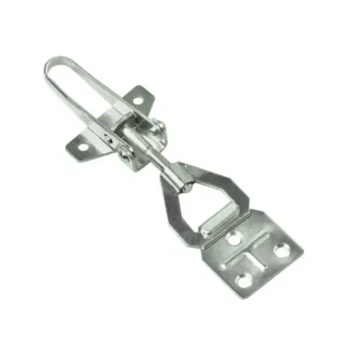
A Hive Net functions as a critical secondary containment layer during the transport of a removed bee colony. While straps and staples serve as the primary method to hold the hive together, this net enwraps the entire unit or the vehicle's cargo area to capture any bees that might escape if the hive structure shifts during transit.
The Hive Net acts as a fail-safe against the unpredictability of road travel. Its primary role is to ensure that if the hive integrity is compromised by vibrations, the bees remain contained, protecting both the driver and the public.
The Mechanics of Secondary Containment
Backing Up the Primary Seals
A beehive is typically composed of modular boxes stacked on top of one another. Before transport, these are secured, but the Hive Net serves as the ultimate backup. It provides a safety envelope around the entire setup to catch bees that bypass the initial taping or strapping.
Counteracting Road Vibrations
Transport vehicles generate constant vibration and jarring movements. This physical stress can cause hive seals to loosen or create unexpected gaps between the boxes. The Hive Net ensures that even if a physical gap opens, the bees cannot leave the immediate vicinity of the hive.
Safety Implications
Protecting the Driver
The most immediate danger during transport is a loose bee distracting or stinging the driver. By placing the net over the hive or the cargo area, you prevent bees from escaping into the vehicle cabin. This allows the driver to focus on the road without the threat of a swarm inside the vehicle.
Ensuring Public Safety
Transporting bees often requires driving through public areas. If bees escape from an open truck bed, they can pose a liability and a danger to pedestrians or other motorists. The net acts as a physical barrier, keeping the colony isolated from the general public.
Common Pitfalls to Avoid
It Is Not a Structural Fastener
Do not mistake a Hive Net for a strap. It acts as a barrier for the bees, not a clamp for the boxes. You must still use ratchet straps or staples to mechanically secure the hive components together before netting them.
Gaps Negate Protection
The net must cover the intended area completely. Whether covering a single hive or the entire cargo bed, any gap in the netting renders the protection useless. The net is only effective if it forms a complete seal around the transport area.
Making the Right Choice for Your Goal
When preparing a colony for transport, consider your specific vehicle setup:
- If your primary focus is keeping the driver safe: Ensure the net isolates the hive from the cabin entirely, preferably by wrapping the individual hive before loading.
- If your primary focus is public liability: Double-check that the net covering the cargo area is secured tightly at the edges to prevent bees from blowing out into traffic.
Use the Hive Net as your final insurance policy against the inevitable vibrations of the road.
Summary Table:
| Protection Category | Primary Function | Key Benefit |
|---|---|---|
| Secondary Containment | Enwraps the hive or cargo area | Captures bees escaping from structural shifts |
| Vibration Buffer | Counteracts road-induced gaps | Maintains colony isolation despite vehicle movement |
| Driver Safety | Cabin isolation | Prevents stings and distractions during transit |
| Public Liability | Physical barrier | Keeps bees contained in open beds and public spaces |
| Structural Limit | Non-mechanical fastener | Works alongside straps to ensure total security |
Secure Your Apiary Logistics with HONESTBEE
Transporting bee colonies demands precision and safety. At HONESTBEE, we understand the unique challenges faced by commercial apiaries and distributors. As a leading provider of comprehensive beekeeping solutions, we offer everything from professional-grade hive nets and secure transport hardware to advanced honey-filling machines and specialized hive-making equipment.
Whether you are scaling your commercial operations or supplying the industry, our wholesale portfolio of beekeeping tools and essential consumables ensures your success. Let us help you safeguard your colonies and optimize your production.
Contact HONESTBEE Today for Custom Wholesale Solutions
References
- Mary Bammer, Amy T. Vu. Best Management Practices for Live Bee Removals in Florida: A Beekeeper’s Guide. DOI: 10.32473/edis-in1297-2020
This article is also based on technical information from HonestBee Knowledge Base .
Related Products
- Heavy Duty Adjustable Hive Connector
- Durable Plastic Interlocking Hive Connector for Beekeeping
- Professional Large-Format Hive Number Set for Beekeeping
- Durable Plastic Hive Number Set for Beekeeping
- Stainless Steel Round Beehive Air Vents for Ventilation
People Also Ask
- Under what circumstance are beehive connectors particularly beneficial? Optimize Handling for Full Beehive Attachments
- What is the advantage of using the beehive connector when handling full attachments? Achieve Safe and Efficient Hive Transport
- What are the primary functions of a beehive connector? Ensure Hive Stability and Safe Colony Transport
- How can the connection length and strength of a beehive connector be adjusted? Master Tension with Threaded Mechanics
- What is the purpose of the beehive connector? Secure Your Hive for Safe Transport