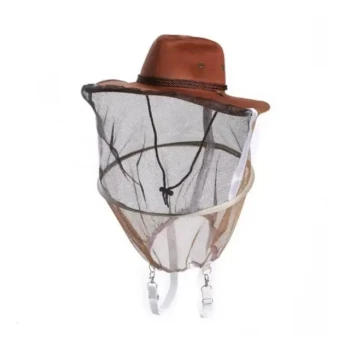
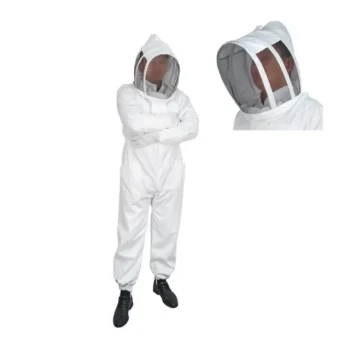
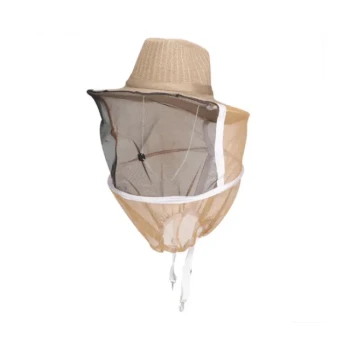
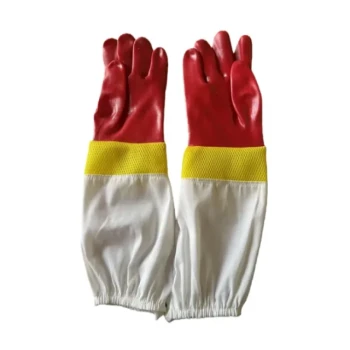
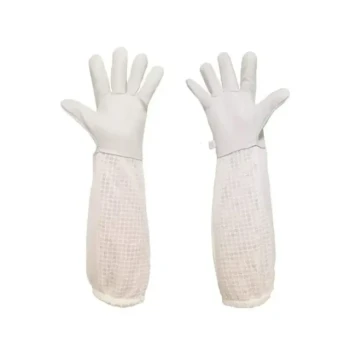
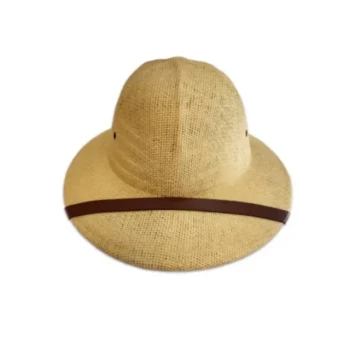
Full protective coverage is the first line of defense. To ensure personal safety during beehive relocation, you must utilize a complete beekeeping suit, specialized gloves, and a helmet equipped with a veil. Beyond sting prevention, you must also mitigate physical strain by using lifting equipment or enlisting a partner to manage the significant weight of the hives.
Relocating a colony disrupts the bees' habitat, drastically increasing the likelihood of defensive behavior. Effective safety protocols must address both the biological threat of stings and the physical hazard of maneuvering heavy equipment.
The Defense Against Agitation
The Necessity of a Full Suit
When a habitat is physically moved, bees often become highly agitated. A full beekeeping suit is required to provide a barrier between the operator and the defensive colony. For improved comfort during exertion, a vented suit is recommended to allow for airflow while maintaining protection.
Critical Head and Neck Protection
The face and neck are the most vulnerable areas during a move. You must wear a veil to shield these regions from stings. It is critical to pair this with a helmet, which provides the necessary structural support to keep the veil mesh suspended away from the skin.
Hand and Extremity Safety
Your hands will be the closest point of contact to the agitated hive. Specialized beekeeping gloves are essential gear. They must offer a balance of thickness for protection and flexibility for gripping the hive securely.
Mitigating Physical Strain
The Weight Factor
Beehives are heavy, dense structures. Attempting to relocate them without preparing for the weight load is a primary cause of physical injury during beekeeping operations.
Utilizing Mechanical Aid
To prevent injury, it is strongly recommended to use specialized lifting equipment. This equipment allows you to transport the hive without bearing the full weight, reducing the risk of dropping the colony or sustaining a back injury.
The Value of Assistance
If mechanical aids are not utilized, you should seek assistance from a colleague. A partner distributes the physical load and serves as a second set of eyes to manage potential straggler bees that may escape during the process.
Common Pitfalls and Trade-offs
Gear Limitations
While protective gear is mandatory, it can reduce dexterity and visibility. Operators must be aware that wearing a helmet and heavy gloves changes how they interact with the hive, requiring slower, more deliberate movements to avoid jarring the colony further.
The Risk of Disruption
Moving hives—whether for pollination or yard reorganization—inherently disturbs the bees. A common error is assuming that protective gear eliminates the danger; it only mitigates the consequence of a sting. The agitation of the bees remains a variable that must be managed with care and speed.
Executing the Move Safely
By prioritizing both biological and physical safety, you ensure the wellbeing of both the beekeeper and the colony.
- If your primary focus is minimizing sting risk: Ensure your veil is properly supported by a helmet and wear a full suit to completely isolate your skin from agitated bees.
- If your primary focus is preventing physical injury: Avoid manual lifting whenever possible by utilizing specialized lifting equipment or coordinating the move with a partner.
Proper preparation transforms a hazardous relocation into a controlled, manageable procedure.
Summary Table:
| Safety Category | Essential Measure | Primary Purpose |
|---|---|---|
| Body Protection | Full Vented Beekeeping Suit | Prevents stings while allowing airflow during physical exertion. |
| Head & Neck | Veil with Structured Helmet | Keeps mesh away from skin to protect the most vulnerable areas. |
| Extremities | Specialized Beekeeping Gloves | Balances sting protection with the dexterity needed to grip hives. |
| Physical Safety | Mechanical Lifting Equipment | Reduces the risk of back injury and accidental hive drops. |
| Operational | Working with a Partner | Assists with heavy loads and monitors for escaping straggler bees. |
Elevate Your Beekeeping Operation with HONESTBEE
Moving hives is a high-stakes task that requires professional-grade equipment. At HONESTBEE, we empower commercial apiaries and distributors with the tools they need for safe, efficient operations. From high-durability protective suits and specialized hardware to advanced hive-making and honey-filling machinery, our comprehensive wholesale portfolio is designed to scale your business.
Ready to upgrade your equipment? Contact us today to learn how our premium beekeeping tools and industry consumables can provide the protection and efficiency your team deserves.
Related Products
- Premium Cowboy Beekeeper Hat with Visibility Veil Outdoor Professional Beekeeping Protective Gear
- Premium Cotton Beekeeper Suit with Reinforced Fencing Veil
- Metal Hive Feet Bee Hive Stand for Ant Protection
- Beekeeper Cowboy Hat and Veil for Beekeeping
- Beekeeping Gloves Goatskin Leather with Long Cotton Sleeve for Beekeepers
People Also Ask
- What design features contribute to the stability and fit of the beekeeper hat? Key Features for Maximum Hive Safety
- How is the beekeeper hat designed for comfort and practicality? Explore Key Features for Enhanced Apiary Safety
- What is the general protective gear recommendation for new beekeepers? Your Essential Beginner's Safety Guide
- How does beekeeping protective gear facilitate the queen bee selection process? Enhancing Precision in Queen Breeding
- What should beekeepers consider when choosing protective gear? A Guide for Maximum Safety & Comfort