A corrugated aluminum foil roof serves as a critical dual-function shield, protecting the hive from precipitation while actively managing the colony's thermal environment. By utilizing the high reflectivity of aluminum, this component prevents direct sunlight from overheating the hive, ensuring internal temperatures remain stable despite external weather changes.
Core Takeaway The primary value of this roofing system is energy conservation. By mechanically stabilizing the hive's temperature through reflection and rain protection, the colony expends less energy on climate control, directly freeing up resources for increased foraging and honey production.
The Physics of Hive Protection
Deflecting Solar Radiation
The most significant property of the aluminum foil surface is its high reflectivity. In an understory environment, where sunlight can still penetrate through the canopy in intense patches, the roof acts as a mirror.
It bounces direct solar radiation away from the hive structure. This prevents the physical box from absorbing excess heat, which would otherwise radiate into the living quarters of the colony.
Stabilizing Internal Microclimates
Beyond simple shade, the roof prevents drastic temperature fluctuations. Environmental shifts—such as a sudden break in cloud cover or a passing storm—can rapidly alter the external temperature.
The corrugated aluminum acts as a buffer. It ensures that the internal temperature remains relatively constant, preventing the sharp spikes and drops that stress the colony.
Shielding Against Precipitation
The roof serves as the primary defense against rain. By shedding water effectively, it keeps the hive structure dry.
This is vital because moisture ingress can drastically alter the thermal conductivity of the hive walls, making it harder for bees to maintain their required core temperature.
Biological Impact on the Colony
Reducing Metabolic Costs
Thermoregulation is "expensive" for bees. To cool a hive, they must fan their wings; to heat it, they must vibrate their flight muscles. Both activities consume calories.
Because the aluminum roof maintains thermal balance, the bees are required to perform these regulatory behaviors less frequently.
Reallocating Labor to Production
When the colony spends less time and energy fighting the weather, their labor pool is redistributed. The energy saved is not merely conserved; it is reinvested.
The colony can shift its focus from survival maintenance to resource gathering. This results in more effort dedicated to foraging and, ultimately, higher honey production.
Understanding the Trade-offs
Environmental Context Matters
While the primary reference highlights the benefits of reflectivity, it is important to note that the effectiveness of this feature depends on light exposure.
In a dense, dark understory with zero direct sunlight, the reflective advantage diminishes, though the protection from rain remains critical. The value of the aluminum foil is maximized in environments where "sunflecks" or broken canopy allow direct light to hit the hive.
External vs. Internal Control
The corrugated roof is an external protective component. It assists greatly, but it does not replace the need for a healthy population of bees to generate the core heat.
It serves as a passive aid to the bees' active efforts, preventing external variables from overwhelming the colony's internal regulation capabilities.
Making the Right Choice for Your Goal
To determine if this roofing system aligns with your apiary management strategy, consider your primary objectives:
- If your primary focus is Maximizing Honey Yield: Use this roof to minimize the metabolic "tax" on your bees, freeing them to forage more aggressively.
- If your primary focus is Colony Survival in Variable Weather: Rely on the roof to dampen temperature spikes and shield against rain, reducing environmental stress on the hive.
By reducing the biological cost of staying warm and dry, you effectively convert solar protection into higher hive productivity.
Summary Table:
| Feature | Protection Mechanism | Biological Benefit |
|---|---|---|
| High Reflectivity | Deflects solar radiation and sunflecks | Prevents hive overheating and heat stress |
| Corrugated Design | Effective precipitation runoff | Keeps hive walls dry and thermally efficient |
| Thermal Buffering | Dampens external temperature spikes | Reduces energy spent on thermoregulation |
| Energy Conservation | Passive microclimate management | Reallocates labor from fanning to foraging |
Maximize Your Apiary Productivity with HONESTBEE
At HONESTBEE, we understand that every calorie your bees save on thermoregulation is a calorie invested in honey production. As a leading supplier for commercial apiaries and distributors, we provide the high-performance beekeeping tools and machinery needed to optimize hive environments.
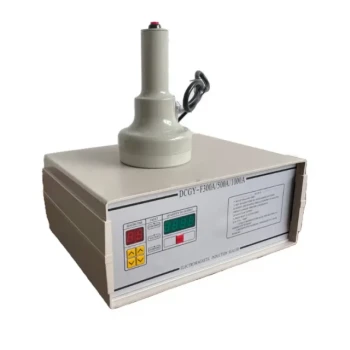
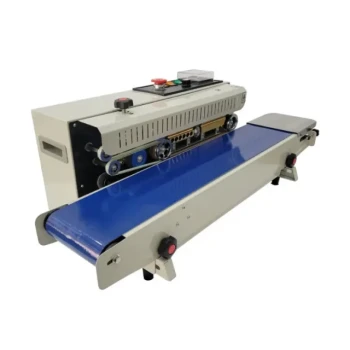
From specialized corrugated roofing solutions to advanced honey-filling machines and hive-making hardware, our comprehensive wholesale offering is designed to scale your operations. Whether you are stocking essential consumables or investing in industrial-grade equipment, HONESTBEE delivers the quality and expertise your business deserves.
Ready to upgrade your equipment? Contact us today to explore our full spectrum of beekeeping hardware and industry consumables!
References
- Richard Okyere-Amoateng, Simon Abugre. Enhancing the Viability of the Modified Taungya System through Bee Keeping. DOI: 10.1080/10549811.2021.1884573
This article is also based on technical information from HonestBee Knowledge Base .
Related Products
- Telescopic Beehive Outer Cover Lid Roof with Galvanised Sheeting for Langstroth Hive and Beehive Outer Cover
- HONESTBEE AC Powered Wire Embedder with Alligator Clips
- Solid Bottom Board Australian Pine Wood Langstroth Bottom Board for Wholesale
- Professional Beekeeper Suit with Square Folding Cotton Veil
- Solar Beeswax Melter Easy Solar Wax Melter for Beeswax
People Also Ask
- What is a telescoping outer cover and what are its advantages? Maximize Hive Protection in Harsh Climates
- What is the function of an outer telescoping cover on a beehive? Ultimate Weather Protection for Your Colony
- What is the purpose of the outer telescoping cover in a beehive? The Key to Weatherproofing Your Hive
- What are the benefits of the telescoping outer cover? Essential Protection for Hive Health & Longevity
- How should a telescoping outer cover be removed? Expert Techniques for Smooth Beekeeping Operations