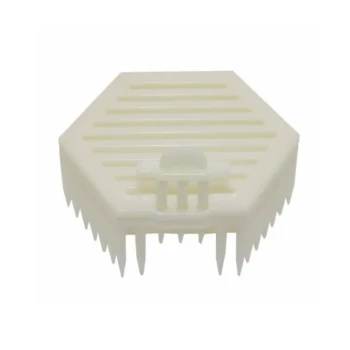
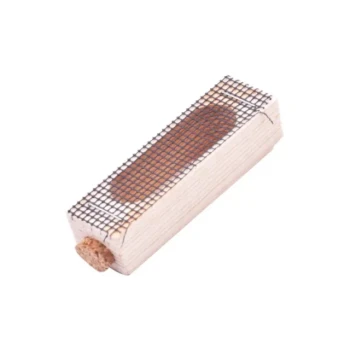
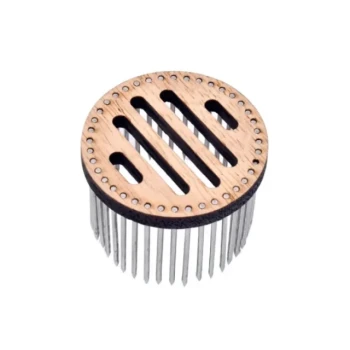
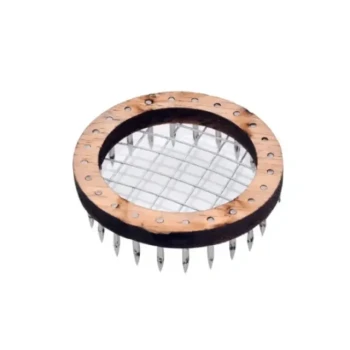
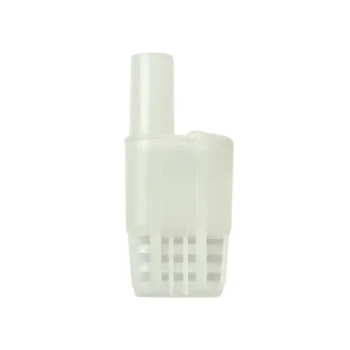
Specialized feeding cages and bee cups serve as the primary mechanism for standardizing dosage and isolating variables in honeybee virus control experiments. They enable researchers to incorporate therapeutic agents, specifically dsRNA, into sucrose solutions to ensure each bee or colony receives a precise, predetermined dose without the interference of external foraging or contamination.
By transforming a variable biological system into a controlled environment, these tools ensure that observed antiviral effects are the result of the treatment itself, not inconsistent consumption or environmental noise.
Achieving Precision in Dosing
The Vehicle for Oral Administration
In oral virus control methods, therapeutic agents cannot be simply sprayed; they must be ingested. Bee cups and feeding cages allow researchers to mix double-stranded RNA (dsRNA) directly into sucrose solutions. This turns the bees' primary food source into a measurable delivery system for the antiviral treatment.
Guaranteeing Uniform Consumption
In a natural hive setting, food distribution is chaotic and unequal. Specialized cups ensure that every subject receives a predetermined dose of the treatment. This eliminates the "dosage gap" where some bees might consume too little to be effective, while others consume too much.
Establishing a Controlled Environment
Isolation from Social Interference
Honeybees are highly social, and colony dynamics can obscure experimental data. Specialized feeding cages create an enclosed micro-environment that isolates the test subjects from the broader colony. This prevents social food transfer (trophallaxis) from diluting the dosage or contaminating untreated control groups.
Preventing External Contamination
Field conditions introduce countless variables, from unknown pesticides to stray pathogens brought in by foragers. These enclosed devices protect the experiment by preventing external contamination. Researchers can be confident that the biological changes they observe are due to the administered dsRNA, not outside pollutants.
Monitoring and Data Integrity
Systematic Observation
Once the treatment is administered, the effects must be tracked accurately. These cages facilitate the systematic observation of post-treatment mortality and behavioral changes. By keeping the subjects contained, researchers can record exact survival rates without the risk of bees dying unnoticed outside the hive.
Evaluating Antiviral Efficacy
The ultimate goal of using these tools is to generate clean data regarding the treatment's success. The controlled environment allows for precise feedback on overall antiviral efficacy. This data is critical for determining if a specific gene-silencing treatment is viable for broader application.
Understanding the Trade-offs
The Cost of Isolation
While specialized cages provide excellent control over variables, they create an artificial environment. Isolating bees from their natural social structure and foraging activities can induce stress, which may influence their physiological response to the virus or the treatment.
Nutritional Complexity
Using these devices requires researchers to precisely manage the ratio of protein supplements to sugar water. If this nutritional balance is not maintained perfectly within the cage, it can skew data regarding glandular development and gene expression, potentially leading to false conclusions about the virus control method.
Making the Right Choice for Your Goal
To select the right experimental setup for your virus control research, consider your primary objective:
- If your primary focus is establishing strict dosage curves: Use individual bee cups to ensure every single microliter of the dsRNA solution is accounted for by a specific subject.
- If your primary focus is monitoring group survival rates: Utilize specialized feeding cages to observe social interactions and mortality trends within a controlled, isolated population.
Precision in delivery is the only way to distinguish between a failed treatment and a failed experiment.
Summary Table:
| Feature | Purpose in Virus Control | Primary Benefit |
|---|---|---|
| Bee Cups | Individual oral administration | Ensures precise, individual dsRNA dosage |
| Feeding Cages | Controlled micro-environments | Eliminates social interference and trophallaxis |
| Sucrose Integration | Treatment delivery vehicle | Facilitates uniform ingestion of antiviral agents |
| Enclosed Design | Pathogen isolation | Prevents external contamination and environmental noise |
| Monitoring Space | Systematic observation | Enables accurate tracking of survival and mortality |
Elevate Your Bee Health Research with HONESTBEE
Precision is the foundation of effective honeybee virus control. At HONESTBEE, we specialize in supporting commercial apiaries and industry distributors with the high-quality equipment necessary for scientific success and hive productivity.
Whether you are conducting rigorous laboratory research or managing large-scale commercial operations, we provide the full spectrum of tools you need:
- Specialized Beekeeping Hardware: From precision hive-making to honey-filling machinery.
- Research & Maintenance Tools: A comprehensive range of feeding equipment and bee cups for standardized oral administration.
- Essential Consumables: Every item required to keep your colonies thriving and your data clean.
Partner with HONESTBEE to scale your operations and secure your honeybee health.
Contact our wholesale team today to discuss your specific requirements.
References
- Dahe Yang, Chunsheng Hou. Diverse Factors Affecting Efficiency of RNAi in Honey Bee Viruses. DOI: 10.3389/fgene.2018.00384
This article is also based on technical information from HonestBee Knowledge Base .
Related Products
- Professional Queen Cage with Sliding Gate and Feeder Plug
- Professional Queen Bee Introduction and Transport Cage
- Professional Multi-Functional Queen Bee Cage
- Hexagonal Direct Comb Introduction Queen Bee Cage
- Professional Multi-Compartment Queen Cage with Sliding Lid
People Also Ask
- Why are specialized queen bee cages used for the banking of mated queen bees? Maximize Commercial Apiary Storage Efficiency
- What is the mechanism of action for using temporary queen bee cages? Master Successful Queen Introduction
- How is a queen bee released from a queen cage? Ensure Safe Colony Integration & Hive Success
- What is the step-by-step process for installing a queen bee's cage onto a frame? Ensure Hive Acceptance Safely
- What technical precaution must be taken regarding the mesh or grill side of a queen bee cage? Ensure Queen Survival