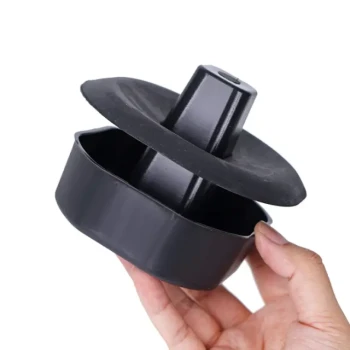
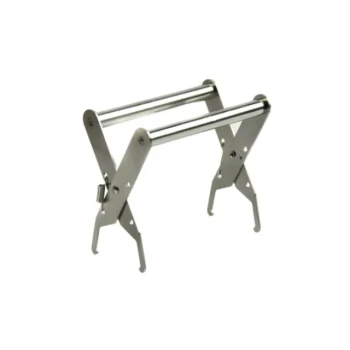
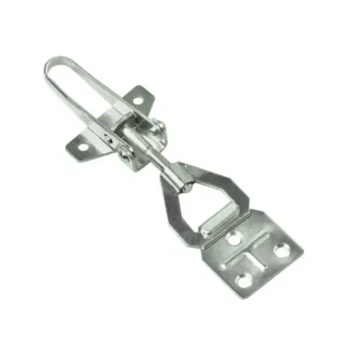
Ant-proof devices act as a fundamental physical barrier in the biosecurity architecture of an apiary. Their primary role is to serve as an isolation mechanism installed on hive stands, specifically designed to sever the physical path for crawling predators. This effectively neutralizes the threat of ant infestations before they can breach the colony.
By eliminating the constant harassment caused by ants, these devices prevent the colony from entering a chronic high-stress state. This stabilization is essential for accurate colony management, as it ensures that any defensive behavior observed is a reaction to specific stimuli rather than a symptom of elevated baseline aggression.
The Impact on Colony Behavior and Stress
Eliminating External Biological Stressors
Honeybee colonies subjected to continuous intrusion by ants face persistent biological pressure. Ant-proof devices function as a critical "physical isolation consumable."
By blocking these predators, the device removes a major source of external harassment. This allows the colony to conserve energy that would otherwise be wasted on constant, low-level defense.
Normalizing Defensive Baselines
A colony under siege is a colony on edge. When bees are constantly fighting off ants, their baseline for aggression rises significantly.
Using ant-proof devices lowers this baseline. For a manager or researcher, this creates a controlled environment where defensive behaviors can be accurately attributed to specific triggers rather than chronic environmental stress.
Physical Isolation and Environmental Control
Cutting the Path of Invasion
The hive stand itself elevates the colony, but the ant-proof device seals the perimeter.
This combination cuts off the physical access route not only for ants but often for termites and other crawling rodents. It is a mechanical solution to a biological problem.
Enhancing Hive Ventilation
While the primary goal is pest exclusion, the use of stands and isolation devices contributes to broader environmental control.
Elevating the hive promotes airflow and dryness at the bottom board. This reduction in humidity is a key factor in preventing fungal diseases, such as chalkbrood, which thrive in damp conditions.
Understanding the Limitations
Physical Barriers vs. Internal Parasites
It is vital to distinguish between external predators and internal parasites. Ant-proof devices are strictly for external isolation.
They do not protect against internal threats like Varroa mites or Nosema. These require distinct interventions, such as chemical treatments applied based on infection thresholds.
The Necessity of Holistic Hygiene
Installing a device does not replace the need for active management.
The device prevents entry, but internal waste and debris must still be removed manually or via cleaning consumables. Without clearing debris, the colony remains vulnerable to secondary infections from within, regardless of how well-isolated it is from the outside.
Optimizing Your Hive Management Strategy
To get the most out of your equipment, align your usage with your specific management goals:
- If your primary focus is Behavioral Assessment: Prioritize these devices to lower baseline aggression, ensuring you are measuring true defensive traits rather than stress reactions.
- If your primary focus is Disease Prevention: Combine these devices with elevated stands to maximize ventilation and reduce the humidity that fosters fungal pathogens.
Physical isolation provides the calm foundation necessary for a colony to thrive and for a manager to make accurate assessments.
Summary Table:
| Role of Ant-Proof Device | Primary Benefit | Impact on Management |
|---|---|---|
| Physical Isolation | Severs paths for ants/termites | Neutralizes external biological stressors |
| Stress Reduction | Conserves colony energy | Normalizes defensive behavior for assessment |
| Environmental Control | Promotes hive stand airflow | Reduces humidity and fungal disease risk |
| Strategic Foundation | Creates a stable environment | Enables accurate colony health monitoring |
Elevate Your Apiary Management with HONESTBEE
Are you looking to enhance the productivity and biosecurity of your commercial apiary? HONESTBEE provides professional-grade beekeeping tools and machinery designed for large-scale success. From ant-proof stands and specialized consumables to advanced honey-filling machines, we offer a comprehensive wholesale portfolio for distributors and commercial beekeepers.
Our value to you:
- Comprehensive Supply: One-stop-shop for everything from hardware to honey-themed merchandise.
- Commercial Durability: Equipment engineered for the rigors of industrial beekeeping.
- Expert Support: Tailored solutions to optimize your hive management and output.
Take the next step in professionalizing your operation — contact HONESTBEE today for wholesale pricing and solutions!
References
- Daniela Zárate, James C. Nieh. Seasonal variation in defense behavior in European and scutellata-hybrid honey bees (Apis mellifera) in Southern California. DOI: 10.1038/s41598-023-38153-2
This article is also based on technical information from HonestBee Knowledge Base .
Related Products
- Professional Ant-Proof Beehive Stand with Integrated Moat for Beekeeping
- Metal Hive Feet Bee Hive Stand for Ant Protection
- Plastic Bee Hive Stand for Beekeeping
- Metal Bee Hive Stand Bee Box Stand for Beekeeping
- Precision Stainless Steel Frame Cleaner for Hive Grooves and Corners
People Also Ask
- What physical protection advantages do individual hive stands provide against Small Hive Beetles? Secure Your Apiary
- Why are specialized ant-proof stands necessary for Africanized honeybee apiaries? Prevent Absconding in Semi-Arid Regions
- Why are specialized beehive stands or protective barriers necessary for pest management in apiaries? Secure Your Colony
- What are the benefits of elevating a bee hive with a stand or base? Protect Your Colony and Your Back
- What to stand a beehive on? The Best Foundation for a Healthy, Manageable Apiary