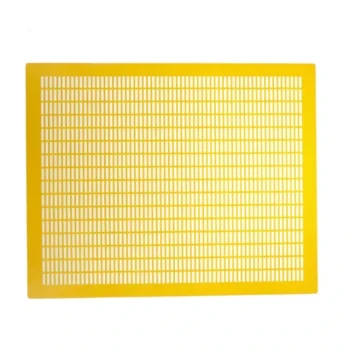
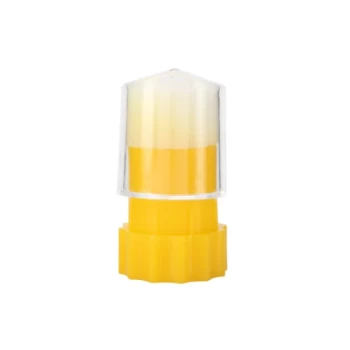
Artificial queen cell cups act as the fundamental geometric triggers for large-scale queen production. They serve as physical containers that mimic the precise shape of natural queen cells, holding grafted larvae on specialized frames. By simulating the specific geometry and orientation of a queen cell, they compel nurse bees to recognize the larvae as royalty, initiating the secretion of royal jelly required for the physiological transition from worker to queen.
The artificial cup serves as the bridge between biological instinct and industrial efficiency. By standardizing the physical environment of the larva, these tools allow beekeepers to trigger natural queen-rearing behaviors on a massive, predictable scale.
The Biological Mechanism
Triggering the Nurse Response
The cup's primary function is to mimic the geometric shape of a natural queen cell base. When placed in a cell builder colony, this specific structure acts as a signal to nurse bees.
It prompts them to accept the introduced larva as a developing queen. This recognition initiates the "queen-rearing behavior," leading to the intensive feeding regime necessary for differentiation.
Facilitating Physiological Transition
Once accepted, the cups ensure the larva remains vertically suspended within the hive. This orientation is critical for optimal royal jelly deposition.
The massive influx of nutrition provided by the nurse bees triggers a physiological shift. This ensures the larva develops reproductive organs and the specific traits of a queen, rather than those of a worker.
Enabling Large-Scale Efficiency
Integration with Grafting Frames
In commercial settings, individual cups are mounted onto specialized grafting frames or cell bars. This transforms queen rearing from a solitary biological event into a batch process.
Technicians can manage dozens of developing queens simultaneously on a single frame. This removes the reliance on the hive's natural, low-volume reproductive impulses, allowing for high-volume production.
Standardization and Genetic Control
Artificial cups allow for the precise transfer of larvae from selected breeder colonies. By using standardized components, producers can simulate the ideal physical environment for every single larva.
This standardization facilitates the propagation of superior maternal lines. It ensures that large batches of queens can be produced with stable, predictable genetic traits.
Understanding the Trade-offs: Wax vs. Plastic
The Consistency of Plastic
Commercial operations often favor plastic cups for their dimensional consistency and durability. These standardized units facilitate seamless integration with modern rearing equipment.
They can be repeatedly cleaned and disinfected, significantly improving operational efficiency. However, because they are artificial, the initial acceptance rate by nurse bees may be slightly lower than with natural materials.
The High Acceptance of Beeswax
Beeswax cups provide a chemical and physical environment that closely mimics the natural hive. The material's chemical properties are consistent with the colony's internal substances.
This results in higher initial acceptance rates of grafted larvae. The trade-off is that wax cups are generally single-use consumables and lack the rigid uniformity required for some automated handling processes.
Optimizing Your Operation
Choosing the right cup type depends on balancing the need for high-volume throughput against the biological acceptance rates of your colonies.
- If your primary focus is maximum operational efficiency: Prioritize durable plastic cups that integrate with standardized cell bars to facilitate cleaning, reuse, and batch handling.
- If your primary focus is maximizing larval acceptance: Utilize beeswax cups to leverage their natural chemical properties for higher initial success rates with sensitive colonies.
Ultimately, the artificial cup is the essential tool that translates a biological possibility into a scalable production reality.
Summary Table:
| Feature | Plastic Queen Cell Cups | Beeswax Queen Cell Cups |
|---|---|---|
| Material Property | Durable, food-grade polymer | Natural, hive-integrated wax |
| Acceptance Rate | High (standardized) | Very High (natural mimicry) |
| Reusability | Multiple uses (easy to disinfect) | Generally single-use |
| Key Benefit | Operational efficiency & batch handling | Maximum larval acceptance rates |
| Application | Large-scale commercial automation | Sensitive colonies & premium rearing |
Scale Your Queen Rearing Operation with HONESTBEE
Maximize your apiary's productivity with professional-grade tools designed for industrial efficiency. HONESTBEE specializes in supporting commercial apiaries and distributors with a comprehensive wholesale range—from high-precision artificial queen cell cups and grafting frames to advanced honey-filling machinery and hive-making equipment.
Whether you are looking to enhance genetic control with standardized rearing components or require a full spectrum of beekeeping consumables, our expert team provides the specialized hardware and cultural merchandise you need to thrive.
Ready to optimize your production? Contact us today to discuss your wholesale needs and see how our premium equipment can transform your output.
References
- Anjali JS, Pratheesh P. Gopinath. Evaluation of first-generation Indian bee, Apis cerana indica colonies raised from breeder colonies by grafting method. DOI: 10.22271/j.ento.2023.v11.i6a.9260
This article is also based on technical information from HonestBee Knowledge Base .
Related Products
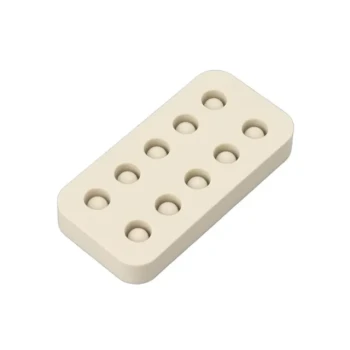
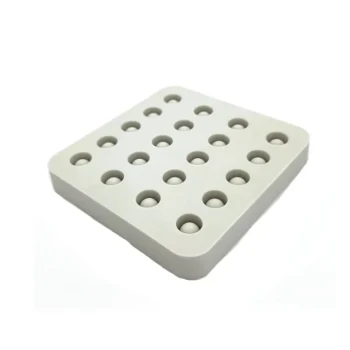
- 10-Cell Silicone Beeswax Bee Queen Cups Forming Mold
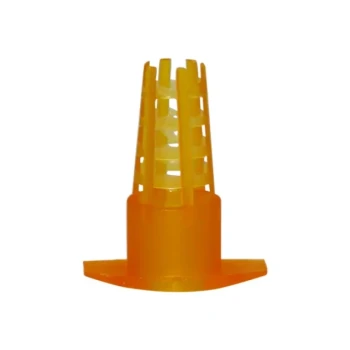
- JZBZ Type Wide Base Plastic Queen Cell Cups for Base Mounting and Queen Rearing
- Brown Nicot Queen Cell Cups for Breeding Queen Bees Beekeeping
- Clear Black Plain Polystyrene Queen Bee Grafting Cell Cups No Lug for Bee Queen Cup
- JZBZ Push-In Queen Cell Cups for Beekeeping
People Also Ask
- How do beeswax queen cell cups function? Optimize Queen Rearing with Biological Mimicry
- What is the biological function of beeswax queen cell cups? Boost Acceptance in Artificial Queen Rearing
- What role do specialized queen rearing tools play in developing mite-resistant honeybee stock? Master Genetic Selection
- What materials are used to make artificial queen cell cups for grafting? Beeswax vs. Plastic Guide
- What roles do specialized queen cell cups play in royal jelly production? Optimize Your Hive's Secretion and Yield