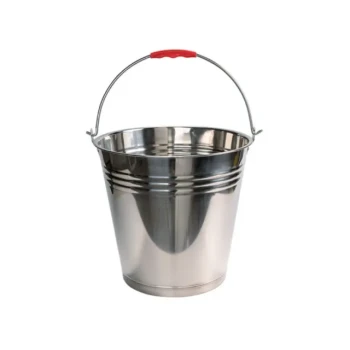
Cylindrical containers and pottery jars act as specialized trapping and transport devices within the artificial swarming process. They serve as a controlled environment where beekeepers capture the queen and worker bees—often lured by simulated sounds or physical guidance—to ensure the safe and directed migration of the colony.
By simulating natural queen cues within these vessels, beekeepers transform a chaotic natural event into a managed procedure. This approach secures the queen, minimizes population loss, and significantly increases the success rate of establishing a new colony.
The Mechanics of Capture and Control
Creating a Focal Point for the Colony
In the context of artificial swarming, these vessels are not mere storage units; they are the primary interface for capturing the swarm.
The cylindrical shape or the structure of the pottery jar provides a confined, manageable space that mimics the enclosed nature of a potential nesting site. This allows the beekeeper to concentrate the colony in a single, transportable location.
Leveraging Auditory Lures
The effectiveness of these containers is often enhanced by simulating specific biological cues.
Beekeepers may replicate the sounds of a queen bee, specifically "piping," to attract the colony. When these sounds emanate from or lead into the container, the workers and the queen are instinctively drawn inside, viewing the vessel as the source of leadership or competition.
Achieving Directed Migration
Once the bees have entered the container, the process shifts from attraction to directed migration.
Rather than allowing the swarm to choose an arbitrary (and potentially unrecoverable) location, the container allows the beekeeper to physically move the population. This ensures the colony is established in a specific, managed hive location.
Why This Method Increases Success rates
Securing the Queen
The central goal of using these containers is the successful capture of the queen.
If the queen is successfully lured into the pottery jar or cylinder, the rest of the colony will naturally follow and remain cohesive. Without the queen, the swarm is likely to disperse or fail to establish.
Preventing Population Loss
Artificial swarming can be a high-risk activity where bees are lost to the environment.
By using a tangible trapping device combined with physical guidance or sound, beekeepers significantly reduce the "drift" of worker bees. This preserves the strength of the workforce needed to build the new hive.
Understanding the Operational Constraints
Dependence on Accurate Stimulation
The success of using these containers often relies heavily on the accuracy of the lure.
If the simulated piping sounds or physical guidance are not precise, the bees may ignore the container entirely. The vessel itself is passive; it requires active, skillful manipulation of bee behavior to function as a trap.
Material Limitations
While pottery jars are traditional and effective, they imply certain logistical considerations.
Rigid containers like pottery can be heavy or fragile compared to modern materials. However, their acoustic properties or thermal mass may play a role in why they are selected for specific trapping techniques.
Making the Right Choice for Your Goal
When managing an artificial swarm, understanding the function of your equipment is vital for colony survival.
- If your primary focus is Colony Retention: Prioritize the use of containers in conjunction with auditory lures (piping) to ensure the queen is secured immediately.
- If your primary focus is Relocation Safety: Use sturdy cylindrical vessels to facilitate the directed migration of the bees without risking damage to the cluster during transport.
The container is the tool, but the simulation of natural cues is the key to mastering artificial swarming.
Summary Table:
| Feature | Role in Artificial Swarming | Primary Benefit |
|---|---|---|
| Physical Structure | Mimics natural nesting sites | Concentrates colony for easy transport |
| Acoustic Environment | Amplifies auditory lures (queen piping) | Ensures queen and worker attraction |
| Containment | Provides a secure, confined space | Prevents population loss and bee 'drift' |
| Mobility | Facilitates directed migration | Allows precise placement in a new hive location |
Scaling Your Apiary? Partner with HONESTBEE for Professional Solutions
At HONESTBEE, we understand that successful colony management requires precision tools. Whether you are a commercial apiary or a global distributor, we provide the industrial-grade equipment needed to optimize your operations. From hive-making machinery and honey-filling systems to specialized capture tools and essential consumables, we supply everything to keep your bees productive and your business growing.
Our Value to You:
- Comprehensive Wholesale Range: Access a full spectrum of beekeeping hardware and consumables.
- Industrial Efficiency: Enhance your production with our specialized machinery.
- Dedicated Support: Leverage our expertise to source the right equipment for your specific climate and scale.
Ready to elevate your beekeeping business? Contact us today to explore our wholesale catalog!
References
- شيرين أبو زيد حسن. تبجيل النحل فى مصر القديمة. DOI: 10.21608/aafu.2022.280750
This article is also based on technical information from HonestBee Knowledge Base .
Related Products
- Modern Square Glass Honey Jar with Twist Off Lid
- Hexagonal Glass Honey Jars with Metal Lug Caps Elegant Versatile Packaging
- Classic Round Glass Honey Jar with Lid
- Classic Drum Shaped Glass Honey Jar with Airtight Lid
- Classic Honey Bear Jars with Flip Top Dispensing Cap for Liquid Sweeteners
People Also Ask
- What is the aesthetic appeal of using glass jars for honey? Elevate Your Brand with Premium Packaging
- What are the advantages of glass containers for honey? Elevate Quality and Market Value with Premium Packaging
- What are the advantages of using high-quality glass containers in the commercial packaging of honey? Boost Premium Value
- What are the technical advantages of using glass jars for honey? Master Commercial Packaging for Premium Purity
- Why are standardized transparent glass jars used in the sensory analysis of honey? Keys to Objective Grading