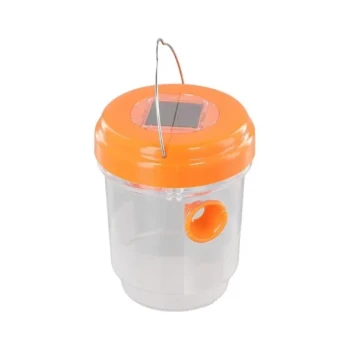
Drone traps function as a precision interception tool installed at the hive entrance to capture mature drones as they attempt to depart for mating flights. This device allows technicians to efficiently collect specific, color-marked drones for semen quality analysis without disrupting the internal operations or stress levels of the honeybee colony.
Core Takeaway: Drone traps bridge the gap between mass drone production and genetic verification. They enable the non-invasive, selective harvesting of biological material, ensuring that only drones from specific breeding lines are assessed for reproductive quality.
The Mechanics of Selective Capture
Interception Without Intrusion
The primary function of a drone trap is to act as a one-way filter at the colony's threshold. It permits the free movement of worker bees while physically stopping the larger drones as they attempt to leave.
This allows technicians to harvest samples from the outside of the hive. By avoiding the need to open the hive body, the internal temperature and social order remain undisturbed.
Targeting Specific Genetics
Effective breeding requires strict control over genetic lines. Technicians often mark drones with specific colors to denote their lineage or age.
The drone trap facilitates the segregation of these marked individuals. It ensures that the sample collected is accurate and representative of the specific genetic background intended for study or mating.
Role in Genetic Verification
Enabling Semen Quality Analysis
Collecting the drone is only the first step; the ultimate goal is verifying reproductive potential. The primary reference highlights that these traps provide the necessary sample source for semen quality analysis.
By catching sexually mature drones as they fly out, breeders can assess sperm viability before using related drones for instrumental insemination or controlled mating.
Connecting Production to Collection
To understand the trap's full utility, one must look at the preceding step in the breeding process. Breeders first use drone comb foundations (as noted in supplementary references) to induce the queen to lay unfertilized eggs.
This creates a high volume of drones with explicit genetic backgrounds. The drone trap is the downstream tool that harvests this "crop" of drones once they mature, completing the production cycle.
Operational Distinctions and Trade-offs
Equipment Function vs. Hive Protection
It is critical not to confuse drone traps with other entrance hardware like mouse guards or entrance reducers.
While mouse guards are physical barriers designed to stop rodents from stealing honey or destroying comb, drone traps are harvesting tools. A mouse guard protects the hive from external threats; a drone trap manages the internal population's output.
The Human Element
Using drone traps is not a "set and forget" strategy. Because the device intercepts drones attempting to fly, it requires technician intervention to collect the trapped insects.
Leaving a trap unattended for too long can stress the drones or block the entrance for returning foragers. It requires active management to be effective.
Making the Right Choice for Your Goal
The use of entrance hardware depends entirely on whether your objective is genetic control or colony survival.
- If your primary focus is genetic analysis: Implement drone traps to collect mature, marked drones for semen evaluation without dismantling the hive.
- If your primary focus is mass drone production: Utilize drone comb foundations with large apertures to induce the queen to lay unfertilized eggs in strong colonies.
- If your primary focus is colony security: Install metal mouse guards or entrance reducers to prevent physical destruction and honey theft by rodents.
Successful breeding relies on using the drone trap not just as a barrier, but as a precise filter for genetic quality control.
Summary Table:
| Feature | Drone Trap | Drone Comb Foundation | Mouse Guard |
|---|---|---|---|
| Primary Function | Harvesting mature drones for analysis | Inducing mass drone production | Protecting hive from rodents |
| Installation Point | Hive Entrance | Inside the Brood Chamber | Hive Entrance |
| Impact on Colony | Non-invasive; no need to open hive | Modifies laying behavior | Physical security barrier |
| Target User | Queen breeders & researchers | Commercial apiaries | All beekeepers (wintering) |
Elevate Your Breeding Precision with HONESTBEE
At HONESTBEE, we understand that elite honeybee breeding requires more than just tools—it requires precision. As a premier partner for commercial apiaries and global distributors, we provide a comprehensive wholesale range of specialized beekeeping equipment.
From high-performance drone traps and drone comb foundations for genetic control to industrial-grade honey-filling machines and hive-making hardware, our portfolio is designed to scale your operations efficiently. Whether you are managing thousands of colonies or supplying the next generation of beekeepers, our expertise in beekeeping machinery and essential consumables ensures your success.
Ready to optimize your apiary’s genetic potential? Contact our expert team today to explore our wholesale solutions and cultural merchandise.
References
- André Luiz Halak, Vagner de Alencar Arnaut de Toledo. Drone production, semen viability and spermatozoa longevity of Africanized Apis mellifera. DOI: 10.4025/actascianimsci.v42i1.49050
This article is also based on technical information from HonestBee Knowledge Base .
Related Products
- Compact Multi-Funnel Hanging Wasp Trap
- Gourd Shaped Hanging Wasp Trap Professional Wasp Catcher
- Reusable Aluminium Beetle Trap for Small Hive Beetles Silver Bullet
- Professional Multi-Component Bucket Wasp Trap
- Plastic Beetle Blaster Trap Beekeeping Tools and Supplies
People Also Ask
- What are the practical advantages of using professional wasp traps and protective equipment in apiary management? Scale Up
- Why replace sugar syrup bait in wasp traps every three days? Ensure Maximum Attraction and Catch Rates
- What is the importance of deploying hornet traps around an apiary for maintaining colony stability? Protect Your Yields.
- What are the advantages of placing hornet traps on the tops of beehives? Maximize Hive Defense Against Predators
- What trapping methods and equipment setups protect commercial apiaries against seasonal hornet predation?