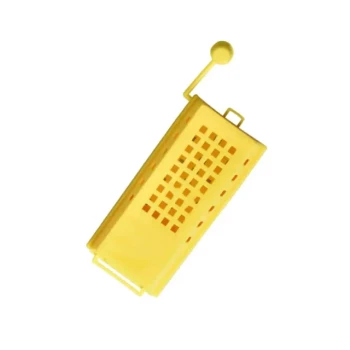
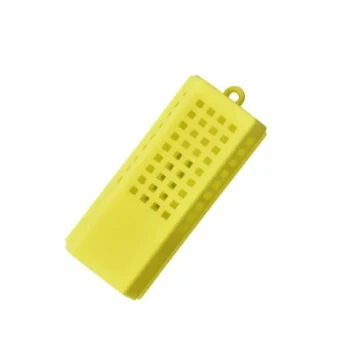
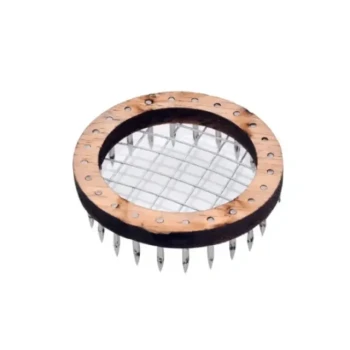
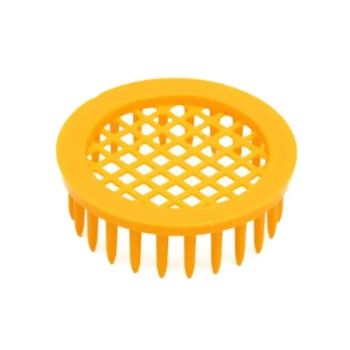
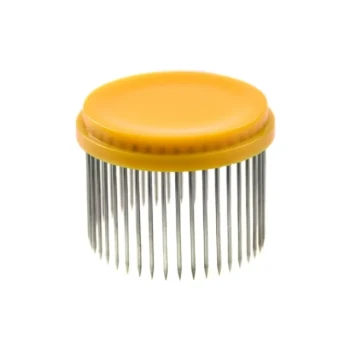
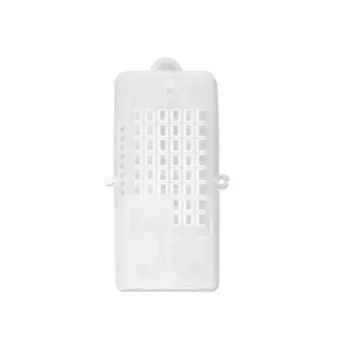
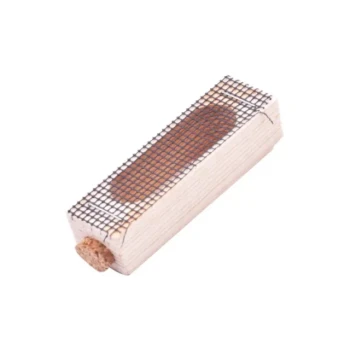
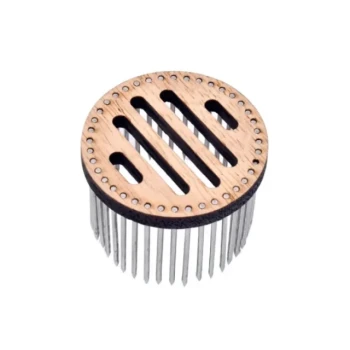
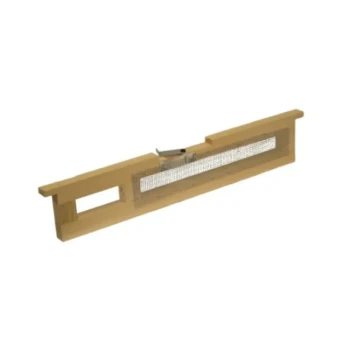
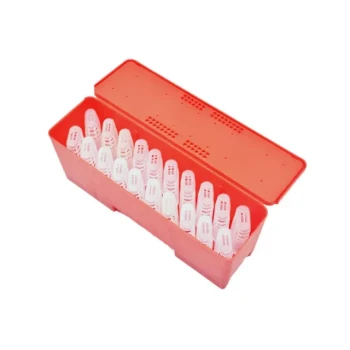
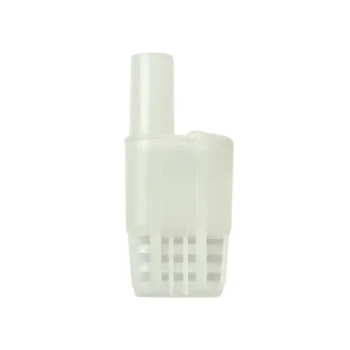
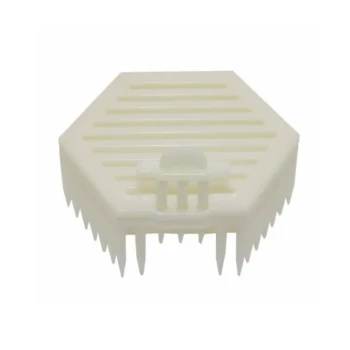
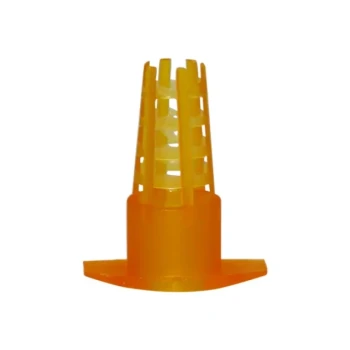
Entrance reducers and queen transport cages serve different but complementary purposes during packaged-bee installation. The entrance reducer limits the hive opening, helping a small, newly established colony defend itself against robbing insects and regulate its internal environment. The queen transport cage protects the unfamiliar queen and delays her release, giving worker bees time to accept her pheromones before she joins the colony.
The entrance reducer secures the hive; the queen cage manages queen acceptance. Used together, they give a packaged colony a more controlled transition into new hive equipment and improve the conditions for early comb building, feeding, and egg laying.
Why Packaged Bees Need Controlled Installation
The Colony Is Temporarily Vulnerable
A package contains worker bees separated from their established nest, comb, and queen. After installation, the workers must orient themselves to unfamiliar equipment while defending a relatively small population.
This makes the first days especially important. Proper equipment and careful queen management reduce avoidable stress during colony establishment.
The Queen Is Unfamiliar to the Workers
The queen arrives separately in a small cage with attendants and a sugar-candy plug. Although she is the colony's future reproductive center, the workers may not immediately recognize or accept her scent.
The cage creates a temporary physical barrier. It prevents direct attacks while allowing the queen's pheromones to circulate gradually through contact with workers around the cage.
How the Entrance Reducer Supports Establishment
It Narrows the Defensive Opening
An entrance reducer restricts the size of the hive entrance. A smaller opening is easier for a newly installed colony to monitor and defend against robbing bees and other invading pests.
This is particularly useful when the worker population is still small or when nearby colonies create strong robbing pressure.
It Helps Limit Early Losses
A reduced entrance can help keep newly introduced bees from leaving the equipment in large numbers during the initial adjustment period. It supports orientation and encourages the colony to consolidate around the hive.
However, it is a management aid rather than a guarantee against absconding. Colony condition, weather, queen acceptance, forage availability, and installation technique also affect whether bees remain.
It Can Support Temperature and Pest Management
A restricted opening can help the colony regulate conditions around the brood area while it is building comb. Entrance reducers are also commonly used during periods of pest threat or colony establishment.
The opening should remain large enough for normal traffic and ventilation. Excessive restriction can create congestion and interfere with efficient bee movement.
How the Queen Transport Cage Supports Acceptance
It Protects the Queen Immediately After Installation
The queen cage is suspended between the central frames of the receiving hive, where worker bees can reach the screened sides. The cage prevents the workers from attacking the queen while they become familiar with her pheromones.
Before placing it, the installer should confirm that the queen and attendants are alive and that the sugar-candy release plug is intact.
It Creates a Delayed Release
After the protective cork or disc covering the candy access hole is removed, workers gradually eat through the sugar plug. This normally releases the queen over several days rather than immediately.
The delay gives the colony time to adjust to the queen's pheromonal profile and reduces the risk of rejection or queen killing.
It Allows Feeding and Pheromone Exchange
With the screened side facing the hive interior and the candy side oriented correctly, workers on adjacent frames can feed the queen through the cage and interact with her safely.
The cage should be positioned so it is accessible but not crushed or obstructed by the frames. A frame-hanging bracket or suitable support can keep it securely suspended.
The Installation Sequence Matters
Prepare the Hive Equipment
The receiving hive should contain properly positioned moveable frames before the package is introduced. The entrance reducer can be installed at the entrance according to colony strength and local conditions.
The reducer should provide a manageable opening without blocking ventilation or creating a traffic bottleneck.
Inspect and Position the Queen Cage
The queen cage should be removed from the shipping package carefully and inspected. If the candy plug is missing or damaged, it may need to be replaced with suitable fondant before installation.
The cage is then suspended between central frames, with the screen available to workers and the candy release point accessible for gradual opening.
Introduce the Worker Bees
After appropriate use of a smoker, the worker bees are gently shaken or poured into the hive body. The queen should remain protected in her cage during this initial transition.
The frames and hive cover are replaced carefully so the bees can settle around the queen and begin orienting to the equipment.
Monitor the First Days
The colony should be checked for signs of normal activity, including worker traffic, feeding around the cage, and eventual release of the queen. Excessive congestion, robbing, or unusual bee clustering may indicate that the entrance opening or installation conditions need attention.
After release, the queen's acceptance and the colony's development should be verified through subsequent inspections.
Understanding the Trade-offs
A Smaller Entrance Is Not Always Better
Reducing the entrance too aggressively can create congestion, restrict ventilation, and make it harder for workers to move efficiently. The appropriate opening depends on colony strength, weather, pest pressure, and hive design.
Entrance reducers should therefore be treated as adjustable management components, not permanent settings.
Delayed Release Improves Acceptance but Requires Inspection
The queen cage reduces immediate contact risk, but it also delays the queen's access to the colony. If the candy plug is not accessible, is too hard, or is incorrectly positioned, release may be delayed unnecessarily.
Installers should confirm that workers can reach the cage and that the queen is released within the expected management window.
Accessories Must Match the Hive System
Cages, reducers, frame spacing, and mounting methods must be compatible with the receiving hive equipment. Poor fit can crush bees, obstruct worker access, or leave the queen cage unstable.
For distributors and resellers, compatibility guidance is part of the product value. A complete package of correctly matched components can reduce installation errors and support faster order fulfillment for commercial customers.
These Tools Cannot Correct Poor Colony Conditions
Neither accessory compensates for a dead or weak queen, inadequate food, severe weather, poor hive placement, or heavy pest pressure. They improve the installation environment, but successful establishment still depends on broader colony management.
Making the Right Choice for Your Goal
Select entrance reducers and queen cages as part of a coordinated installation kit rather than as isolated accessories.
- If your primary focus is colony security: Use an appropriately sized entrance reducer to help a small colony defend the hive and reduce exposure to robbing pests.
- If your primary focus is queen acceptance: Use a screened transport cage with an intact slow-release sugar plug and suspend it correctly between the central frames.
- If your primary focus is rapid colony establishment: Combine compatible entrance management with correct queen-cage placement, follow-up inspection, and suitable feeding and hive conditions.
- If your primary focus is commercial sourcing: Work with suppliers that can provide a full-spectrum portfolio of compatible hive accessories, responsive technical support, and reliable delivery.
Correctly selected and installed, these two accessories give a packaged colony the security and adjustment time it needs to begin establishing successfully.
Summary Table:
| Tool | Primary Role | Key Function | Management Advice |
|---|---|---|---|
| Entrance Reducer | Hive security | Narrows entrance for easier defense, reduces robbing, aids temperature control | Set opening based on colony strength, avoid over-restriction causing congestion |
| Queen Transport Cage | Queen acceptance | Protects unfamiliar queen, delays release for pheromone acceptance | Ensure candy plug intact, position correctly, monitor release window |
Equip your colonies for success with HONESTBEE. As a leading B2B supplier, we provide a full spectrum of beekeeping tools, machinery, and equipment, including essential hive accessories like entrance reducers and queen cages. Our one-stop sourcing ensures compatibility and quality, backed by rapid response, dedicated service, and ultra-fast delivery. Whether you're a commercial apiary or a distributor seeking OEM/ODM support and reliable supply, we're here to boost your efficiency and profitability. Contact us today to secure your hive needs with confidence!
Related Products
- Professional Queen Bee Introduction and Transport Cage
- Professional Queen Cage with Sliding Gate and Feeder Plug
- Professional Multi-Compartment Queen Cage with Sliding Lid
- Wood and Mesh Push-In Queen Cage
- Durable Plastic Push In Queen Bee Cage
People Also Ask
- Why are specialized queen bee cages used for the banking of mated queen bees? Maximize Commercial Apiary Storage Efficiency
- What is the mechanism of action for using temporary queen bee cages? Master Successful Queen Introduction
- How is a queen bee released from a queen cage? Ensure Safe Colony Integration & Hive Success
- What materials are required to install a queen bee's cage into a hive? Essential Tools for Successful Queen Integration
- How long should a queen bee stay in the cage before being released? Ensure a Successful Introduction