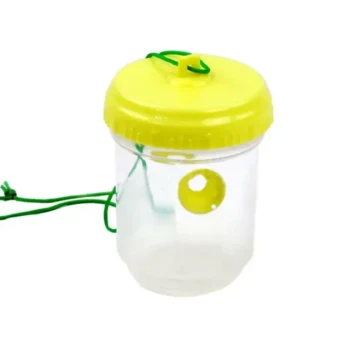
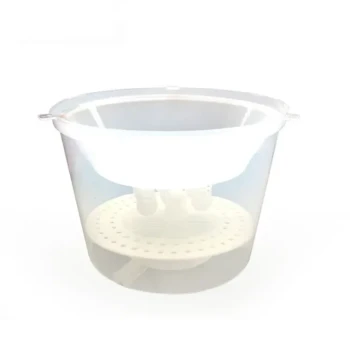
Pollen traps serve as the critical link between physical field conditions and chemical laboratory analysis. Installed at the hive entrance, these devices use a mesh structure to collect pollen pellets from returning bees, establishing an objective record of the plant community present during the production of royal jelly. This physical evidence is essential for validating the product's botanical origin and ensuring precise traceability.
Core Takeaway Royal jelly authenticity cannot rely on chemical data alone; it requires biological context. Pollen traps provide the necessary "botanical fingerprint" that allows experts to correlate high-tech Nuclear Magnetic Resonance (NMR) data with specific floral sources, proving where and when the product was made.
The Mechanism of Authenticity
Capturing Biological Evidence
Pollen traps function as forensic collection tools. By forcing returning bees to pass through a specific mesh, the traps strip pollen pellets from their legs before they enter the hive.
This process captures a physical sample of the exact plant community the bees were visiting. It freezes a moment in time, proving which flowers were blooming during the specific period of royal jelly production.
Correlating with Metabolomic Data
Advanced authenticity testing often relies on Nuclear Magnetic Resonance (NMR) analysis. However, chemical data requires context to be meaningful.
The pollen collected by the traps provides the objective botanical correlation needed for NMR interpretation. It allows analysts to match the chemical markers found in the royal jelly directly to the flora collected at the hive entrance.
Ensuring Precise Traceability
By linking the product to specific local flora, producers can establish a chain of custody. This moves traceability beyond simple labeling to scientifically verifiable proof of geographic and botanical origin.
The Role in Scientific Validation
Controlling Nutrient Variables
Beyond commercial authentication, pollen traps play a vital role in research to determine how bee nutrition affects royal jelly quality. In this context, they serve as "interception devices."
By effectively blocking the entry of natural pollen, the traps allow researchers to control the colony's protein source entirely.
Validating Feed Influence
When natural pollen is excluded, bees consume only the supplemental protein feeds provided by researchers. This creates a controlled environment for study.
This "single-variable control" ensures that any changes observed in the chemical makeup of the royal jelly can be scientifically attributed to the specific feed, rather than random foraging.
Understanding the Operational Trade-offs
The Risk of Data Gaps
The reliability of authenticity identification is heavily dependent on the consistent use of traps. If traps are not deployed during the exact production window, the botanical correlation with the royal jelly is lost.
Disruption of Colony Norms
Using traps to block pollen for research purposes (as noted in the validation process) is invasive. It artificially restricts the colony's natural nutritional intake to isolate variables.
While this is necessary for rigorous scientific validation of feed effects, it requires careful management to ensure the colony remains viable for the duration of the study or production cycle.
Leveraging Pollen Traps for Quality Assurance
To utilize pollen traps effectively for your specific objectives, consider the following applications:
- If your primary focus is commercial authenticity: Co-ordinate trap installation strictly with the royal jelly production schedule to ensure the pollen samples provide an accurate botanical reference for NMR analysis.
- If your primary focus is nutritional research: Use traps as exclusion devices to prevent natural foraging, ensuring that all data regarding royal jelly composition is statistically valid and attributable to your test feeds.
By bridging the gap between the field environment and the laboratory, pollen traps provide the irrefutable evidence required to certify royal jelly quality.
Summary Table:
| Feature | Role in Authenticity & Traceability |
|---|---|
| Physical Evidence | Captures specific pollen pellets to prove floral and geographic origin. |
| NMR Correlation | Provides the botanical context needed to interpret chemical markers in lab data. |
| Traceability Link | Creates a scientific chain of custody from the hive entrance to the final product. |
| Variable Control | Acts as an exclusion device to validate the impact of specific feeds on jelly quality. |
| Data Integrity | Ensures royal jelly samples match the exact blooming period of local flora. |
Secure Your Royal Jelly Supply Chain with HONESTBEE
For commercial apiaries and distributors, ensuring the authenticity of high-value products like royal jelly is paramount. HONESTBEE provides the professional-grade equipment necessary to bridge the gap between field production and laboratory validation. From high-efficiency pollen traps and hive hardware to specialized honey-filling machinery and essential consumables, we offer a comprehensive wholesale portfolio designed to enhance your operational traceability.
Ready to elevate your beekeeping standards? Contact HONESTBEE today for wholesale solutions and expert equipment advice.
References
- Pierluigi Mazzei, Emilio Caprio. Assessment of geographical origin and production period of royal jelly by NMR metabolomics. DOI: 10.1186/s40538-020-00190-8
This article is also based on technical information from HonestBee Knowledge Base .
Related Products
- Removable Plastic Pollen Trap With Ventilated Tray for Bees Pollen Collector
- 30 cm Plastic Entrance Hole Bee Pollen Trap and Collector
- Plastic Bee Pollen Trap Strips Comb Catcher Collector
- High-Efficiency Diamond Maze Bee Escape for Clearing Supers
- Professional Bucket Style Wasp and Moth Pheromone Trap
People Also Ask
- What are the design principles and advantages of pollen traps in the collection of bee pollen? Boost Your Apiary Yield
- What is the function of professional pollen traps in evaluating honey plants? Quantifying Pollination and Crop Potential
- What functions do pollen traps serve for bee bread production? Optimize Your Raw Material Collection
- What maintenance and pest prevention measures should be taken for pollen traps? Protect Your Hive and Harvest Quality
- How does the use of pollen traps in honeybee hives enhance crop fertilization? Boost Your Yield Through Induced Activity