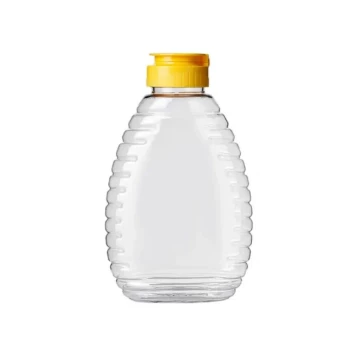
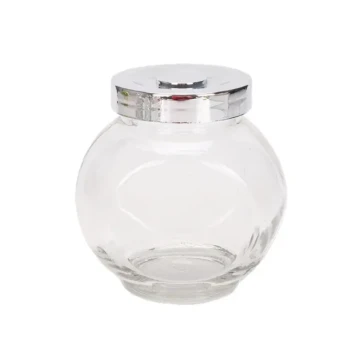
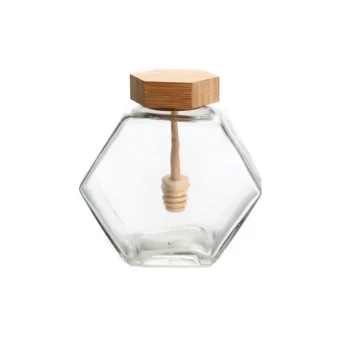
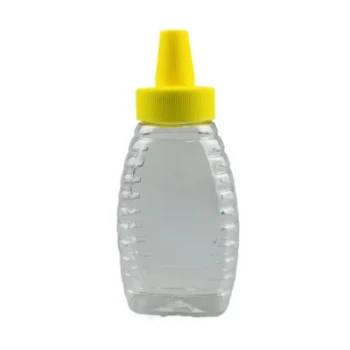
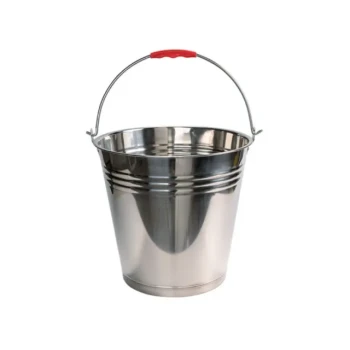
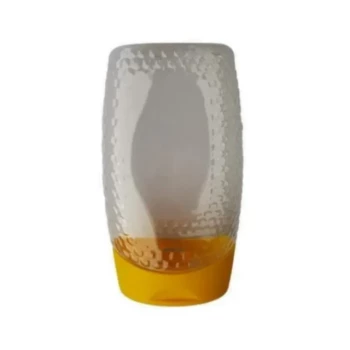
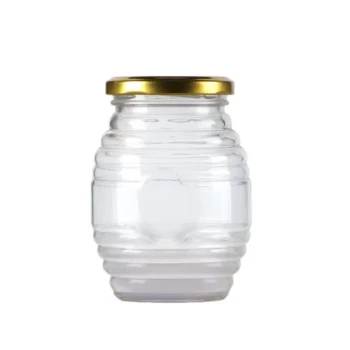
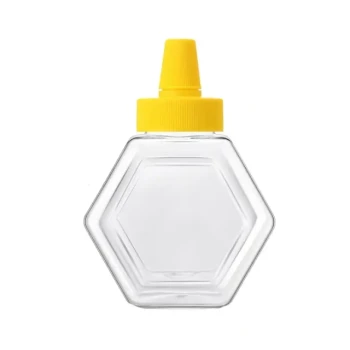
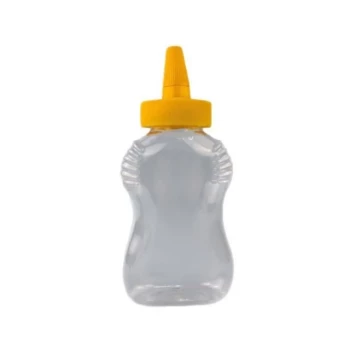
Polypropylene bags and food-grade plastic jars serve as critical physical barriers against moisture absorption (hygroscopicity). Their primary technical function is to isolate the honey from environmental humidity, maintaining the water content at or below 21%. This specific threshold is essential to prevent fermentation and spoilage, ensuring the honey remains shelf-stable and compliant with international physical and chemical trade standards.
Core Takeaway Honey is naturally hygroscopic, meaning it actively pulls moisture from the surrounding air. High-quality plastic packaging creates a sealed environment that stabilizes the product’s chemical composition, preventing the moisture uptake that triggers yeast growth and subsequent spoilage.
The Science of Preservation
Combating Hygroscopicity
Honey has a natural affinity for water. If left exposed to humid air, it will absorb moisture rapidly.
Polypropylene bags and plastic jars act as hermetic seals. They isolate the honey from the atmosphere, preventing the chemical changes that occur when external moisture is introduced.
The 21% Moisture Threshold
The safety of stored honey relies heavily on moisture content.
If water content rises above 21%, the natural yeasts found in honey can become active. Proper packaging locks moisture levels below this critical limit, effectively inhibiting fermentation and souring.
Protection from Contaminants
Beyond moisture, these materials provide a shield against external odors and foreign substances.
High-density polypropylene (PP) offers excellent chemical stability. This prevents the packaging material from reacting with the honey or allowing strong external odors to permeate and alter the flavor profile.
Physical and Logistical Advantages
Mechanical Strength and Durability
Polypropylene is prized for its mechanical toughness.
Bags and jars made from this material are resistant to punctures and leaks. This durability is vital for maintaining integrity during the physical stress of transport and storage.
Optimized Logistics
Plastic containers are significantly lighter than glass alternatives.
Using lightweight polypropylene reduces the overall weight of shipments, facilitating easier distribution. This directly contributes to lower carbon emissions during logistics by optimizing transport loads.
Marketability and Transparency
Food-grade plastic jars often feature high transparency.
This allows consumers to visually inspect the honey's color and crystallization state before purchase. This visibility builds consumer trust and enhances the product's competitiveness on the retail shelf.
Understanding the Trade-offs
Strict Material Requirements
Not all plastics are suitable for honey.
You must strictly adhere to food-grade standards regulated by bodies like the FDA. Approved materials include high-density polyethylene (HDPE), low-density polyethylene (LDPE), polypropylene (PP), and polyethylene terephthalate (PET). Using non-compliant plastics risks chemical leaching and safety violations.
Environmental Impact
While lighter for transport, plastic waste is a concern.
To mitigate this, the industry is shifting toward standardized, easy-to-clean containers. High turnover and reusability of these containers align with sustainable beekeeping practices, minimizing waste output compared to single-use packaging.
Making the Right Choice for Your Goal
Selecting the right packaging depends on whether your priority is bulk storage, retail presentation, or environmental impact.
- If your primary focus is Long-Term Storage & Logistics: Prioritize high-density polypropylene (PP) for its superior chemical stability, leak resistance, and lightweight properties to reduce shipping costs.
- If your primary focus is Retail & Consumer Trust: Choose high-transparency food-grade jars (like PET) that allow customers to clearly see the quality, color, and texture of the honey.
- If your primary focus is Sustainability: Implement a system of standardized, reusable containers that are durable enough to withstand multiple cycles of cleaning and refilling.
By controlling moisture ingress, the right packaging transforms honey from a raw agricultural product into a stable, high-value commodity.
Summary Table:
| Feature | Polypropylene (PP) & Food-Grade Plastic | Impact on Honey Quality |
|---|---|---|
| Moisture Barrier | Prevents hygroscopic water absorption | Keeps moisture <21% to stop fermentation |
| Chemical Stability | Resistant to leaching and odors | Preserves natural flavor and purity |
| Durability | High puncture and leak resistance | Ensures integrity during bulk transport |
| Weight | Significantly lighter than glass | Reduces shipping costs and carbon footprint |
| Transparency | High-clarity finishes available | Enhances retail appeal and consumer trust |
Scale Your Honey Business with HONESTBEE
Maximize the shelf life and market value of your honey with professional-grade packaging solutions. At HONESTBEE, we specialize in supporting commercial apiaries and distributors by providing a comprehensive wholesale range of food-grade containers, hive-making machinery, and honey-filling equipment.
Whether you need durable bulk storage or high-transparency retail jars, our products ensure your honey meets international trade standards while optimizing your logistics efficiency. Contact us today to discover how our specialized beekeeping tools and industry consumables can grow your operation!
References
- Salimata Ouattara, Kouami Kokou. State of Knowledge on Beekeeping Practices in Côte d'Ivoire in the Face of Challenges and Opportunities in the Context of Climate Change. DOI: 10.19044/esj.2023.v19n30p46
This article is also based on technical information from HonestBee Knowledge Base .
Related Products
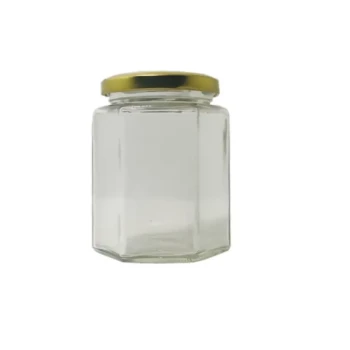
- Hexagonal Glass Honey Jars with Metal Lug Caps Elegant Versatile Packaging
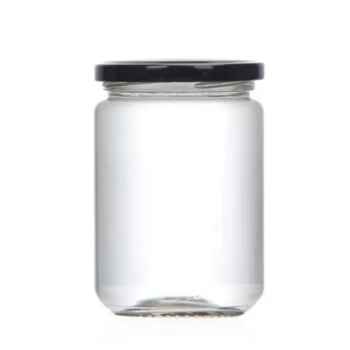
- Classic Round Glass Honey Jar with Lid
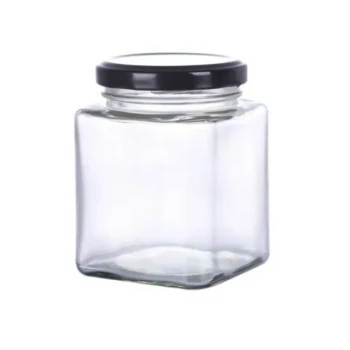
- Modern Square Glass Honey Jar with Twist Off Lid
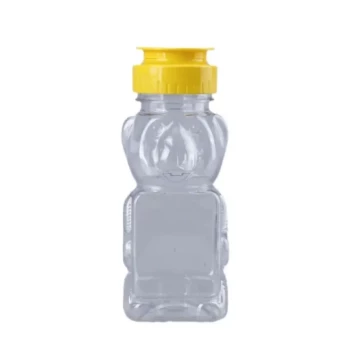
- Classic Honey Bear Jars with Flip Top Dispensing Cap for Liquid Sweeteners
- Squeezable No-Drip Beehive-Shaped Honey Jars with Flip-Top Cap
People Also Ask
- What is the aesthetic appeal of using glass jars for honey? Elevate Your Brand with Premium Packaging
- What are the logistical challenges associated with using glass jars for honey packaging? Navigating Weight & Fragility
- What are the advantages of glass containers for honey? Elevate Quality and Market Value with Premium Packaging
- What are the technical advantages of using glass jars for honey? Master Commercial Packaging for Premium Purity
- What are the advantages of using glass jars for honey packaging? Preserve Purity & Elevate Your Brand