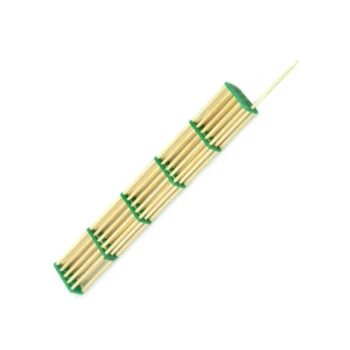
Specialized drug delivery bags function as precision control devices designed to house formic acid gel within the hive environment. Typically positioned directly on top of the brood frames, these industrial-grade containers facilitate the slow, controlled release of acaricide vapors over a fixed two-week duration. This method shifts the treatment strategy from an acute intervention to a sustained release, ensuring a standardized reduction in Varroa destructor populations.
Core Takeaway By utilizing a controlled-release membrane to dispense formic acid vapors, these bags standardize the dosage delivered to the colony, effectively breaking the mite transmission cycle while minimizing the variability often associated with manual chemical applications.
The Mechanics of Controlled Release
Managing Chemical Volatility
The primary function of the delivery bag is to contain formic acid gel and regulate its transition into a vapor. Without such a mechanism, organic acids can evaporate unpredictably, potentially harming the bees or failing to reach lethal concentrations for the mites.
Sustained Vapor Distribution
The bags are engineered to release vapors over a specific two-week period. This extended duration is critical because it ensures the treatment remains active long enough to impact mites emerging from capped brood cells, rather than just those currently on adult bees.
Optimal Positioning
Placing the bags on top of the frames utilizes the hive's natural airflow and heat. This positioning ensures the heavy vapors descend through the brood nest, where Varroa mites are most prevalent.
The Strategic Value in Apiculture
Standardization for Commercial Operations
In large-scale commercial apiaries, consistency is paramount. These bags provide a standardized medicinal application process, removing the guesswork and operator variability associated with liquid dribbles or sprays.
Breaking the Viral Cycle
While the direct goal is killing mites, the deeper purpose is disease prevention. Varroa mites act as vectors for debilitating pathogens like Deformed Wing Virus (DWV) and Slow Paralysis Virus.
Safeguarding Winter Survival
By reducing the parasite load via precise application, these treatments directly influence colony mortality rates. Effective usage during critical windows stabilizes the population, ensuring the colony is healthy enough to survive the winter and recover quickly in the spring.
Understanding the Trade-offs
Vapor vs. Contact Action
It is important to distinguish this method from others. These bags rely on vapor dispersion, whereas other synthetic treatments (like Amitraz-based products) often function through contact or systemic action. The efficacy of a vapor-based bag depends on proper air circulation within the hive.
Specificity of the Medium
These specialized bags are explicitly designed for formic acid gel. They are not universal containers for all miticides. Other remedial agents, such as aerosol sprays or contact strips, utilize different physical mechanisms and are applied differently to achieve rapid mite reduction.
Making the Right Choice for Your Goal
To effectively manage Varroa destructor, select the tool that aligns with your specific operational needs:
- If your primary focus is treatment consistency: Utilize specialized drug delivery bags to ensure every colony receives a uniform, controlled dosage of formic acid over a two-week cycle.
- If your primary focus is rapid infestation reduction: Consider that other chemical consumables, such as Amitraz-based contact agents, are designed to rapidly reduce mite density during critical spring or autumn windows.
- If your primary focus is validating efficacy: Implement standard volumetric sampling (washing 100 cm³ of bees) to measure the infestation rate before and after treatment to confirm the bag's effectiveness.
Precision in application is the single greatest determinant of winter survival for managed honeybee colonies.
Summary Table:
| Feature | Specialized Drug Delivery Bag (Formic Acid Gel) | Traditional Manual Application |
|---|---|---|
| Mechanism | Sustained Vapor Release (2 Weeks) | Acute Vapor or Contact |
| Dosage Control | Standardized Controlled-Release Membrane | High Operator Variability |
| Target Area | Capped Brood & Adult Bees | Primarily Phoretic Mites |
| Primary Benefit | Minimal Hive Disturbance & High Consistency | Rapid, Short-term Intervention |
| Application | Commercial Apiaries & Large-scale Ops | Small-scale or Backyard Beekeeping |
Scale Your Apiary Success with HONESTBEE Precision Equipment
At HONESTBEE, we understand that for commercial apiaries and distributors, consistency is the foundation of profitability. We provide a comprehensive wholesale range of professional beekeeping tools, from industrial honey-filling machines to specialized hive-making hardware and essential treatment consumables.
Protect your colonies and streamline your operations with our high-quality industry solutions. Contact us today to discuss your wholesale needs and discover how our expert-grade machinery and equipment can enhance your productivity and honeybee winter survival rates.
References
- Ekaterina N. Rud, А З О В А Н Ие. ECONOMIC EFFICIENCY OF TREATMENT OF HONEY BEES AGAINST VARROATOSIS IN THE CONDUCT OF ORGANIC LIVESTOCK. DOI: 10.32786/2071-9485-2021-03-31
This article is also based on technical information from HonestBee Knowledge Base .
Related Products
- Oxalic Acid Vaporizer 12V for Bee Varroa Mite Treatment
- Professional Bamboo Queen Isolation Cage
- Compact Circular Bee Mite Treatment Dispenser
- Durable 12V Oxalic Acid Vaporizer for Varroa Mite Treatment Beehive Beekeeping Tool
- Heavy Duty 12V Oxalic Acid Evaporator Vaporizer for Bee Varroa Mite Treatment Beekeeping Fumigator Atomizer
People Also Ask
- What factors determine how often to treat for varroa mites with oxalic acid? Time Your Treatment for Maximum Efficacy
- What are the technical advantages of using professional Sublimators? Maximize Mite Control with Precision Vaporizers
- What is the technical objective of applying oxalic acid via a sprayer? Maximize Varroa Resistance in Your Apiary
- How can oxalic acid treatment be applied effectively when capped brood is present? Master the 3-Stage Vapor Protocol
- What is the overall goal of using oxalic acid in late fall for beekeepers? Maximize Winter Survival with a Broodless Treatment