Wax combs function as standardized physical storage units that are essential for the precise quantification of honeybee colony performance. Constructed directly from the secretions of honeybee wax glands, these combs provide a consistent structural framework for holding honey and pollen. By strictly monitoring the "filling status" of individual cells and maintaining the structural integrity of the comb, researchers can translate physical storage patterns into concrete data regarding the colony's biological activity and food storage behavior.
The wax comb serves as a tangible metric for colony behavior. Because the comb offers a standardized physical structure, researchers can treat it as a reliable baseline; any variation in how cells are filled allows for a direct, quantitative evaluation of the colony's overall productivity and health.
The Mechanics of the Storage Unit
Origin and Composition
The foundation of this assessment tool is biological in origin. Honeybees construct these combs using wax secreted from their own glands.
Function as a Standardized Vessel
For researchers, the primary value of the wax comb lies in its physical consistency. It acts as a standardized unit, much like a beaker or grid in a laboratory setting.
Targeted Storage Cargo
The reference explicitly identifies the payload of these storage units: honey and pollen. These substances represent the colony's energy reserves and protein sources.
Assessing Biological Activity Through Combs
Visual and Quantitative Evaluation
The assessment of biological activity is not abstract; it is based on observation. Researchers observe the specific "filling status" of the individual cells within the comb.
Translating Behavior to Data
By tracking how these cells are filled, observers gain insight into food storage behavior. High fill rates correlate with specific foraging and processing activities.
The Role of Structural Integrity
Precision in measurement relies heavily on the condition of the comb. The structural integrity must be maintained to ensure that the data collected—based on volume or cell counts—remains accurate and comparable over time.
Understanding the Trade-offs
Dependence on Physical Condition
The reliability of your data is inextricably linked to the physical state of the wax. If the structural integrity of the comb is compromised (e.g., deformation or damage), the "standardization" is lost, leading to skewed measurement precision.
Activity vs. Storage
It is important to recognize that measuring storage is a proxy for biological activity. You are measuring the result of behavior (stored honey/pollen), rather than the behavior itself in real-time.
Making the Right Choice for Your Goal
To effectively utilize wax combs in your assessment of honeybee colonies, consider the following applications:
- If your primary focus is quantitative data precision: Prioritize the maintenance of the comb's structural integrity to ensure your "standardized unit" remains consistent throughout the study.
- If your primary focus is behavioral analysis: Track the filling status of individual cells over time to visualize fluctuations in food storage behavior and general colony activity.
By treating the wax comb as a calibrated instrument rather than just a biological artifact, you transform simple observations into rigorous scientific data.
Summary Table:
| Key Feature | Role in Biological Assessment |
|---|---|
| Structural Origin | Natural wax gland secretions providing a biological baseline |
| Standardization | Acts as a uniform vessel for consistent volume measurements |
| Primary Payload | Storage of honey (energy) and pollen (protein) for analysis |
| Data Metric | Cell "filling status" used as a proxy for foraging activity |
| Critical Factor | Structural integrity ensures long-term data comparability |
Scale Your Apiary Operations with HONESTBEE
To achieve precise biological assessments and maximize honey production, you need equipment that maintains the highest standards of structural integrity. HONESTBEE specializes in supporting commercial apiaries and distributors with a comprehensive range of professional solutions. From specialized hive-making and honey-filling machinery to high-quality beekeeping tools and industry consumables, we provide the hardware necessary for your success.
Whether you are expanding a large-scale commercial operation or sourcing premium supplies for distribution, our portfolio of technical equipment and honey-themed cultural merchandise ensures you stay ahead in the market.
Ready to optimize your yield and efficiency? Contact us today to explore our wholesale offerings!
References
- Ahmed Mouard, Khaled Abd ElHamid. A Comparative Study between Four Different Hybrid Local Races of Honey Bee in Some Biological Activity. DOI: 10.21608/jalexu.2021.179268
This article is also based on technical information from HonestBee Knowledge Base .
Related Products
- Manual Beeswax Comb Foundation Machine Wax Foundation Mill Embossing Machine
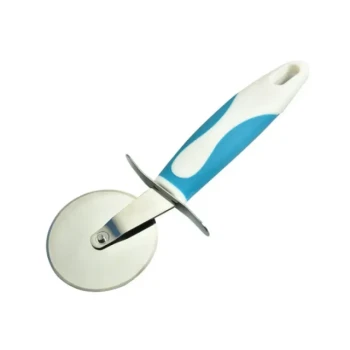
- Professional Rolling Wax Cutter with Ergonomic Handle
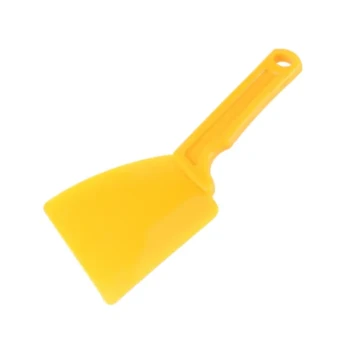
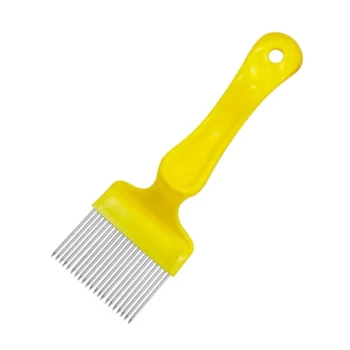
- Professional Honey Scraper for Efficient Apiary Maintenance
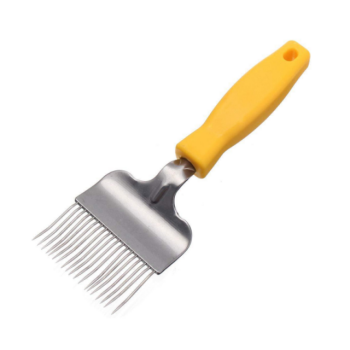
- Professional Bent Tine Honey Uncapping Fork with Ergonomic Grip
- Professional Wide Blade Honey Scraper for Beekeeping and Honey Processing
People Also Ask
- What are the primary technical challenges faced by beeswax foundation production machinery? Tackling Lipophilic Residues
- What are the advantages of implementing a pulley and belt drive system in beeswax foundation machinery? Master Quality.
- What role does a foundation machine play in the recycling and resource utilization of beeswax within an apiary?
- Why is the introduction of a beeswax foundation machine considered an important step in improving honey yields?
- How do beeswax foundation machines facilitate the internal recycling of beeswax? Build a Self-Sustaining Apiary