Weather-resistant tree marking and tracking devices serve as the foundational infrastructure for longitudinal ecological studies in harsh environments. By enabling the permanent numbering and monitoring of specific plant samples, these tools allow researchers to track flowering dynamics and honeybee visitation frequencies reliably across multiple seasons.
Core Insight While general survey tools capture a snapshot of biodiversity, durable tracking hardware is required to establish the precise, long-term datasets needed to correlate nectar secretion patterns with pollinator behavior. This granular data is the primary driver for accurate apiary suitability models.
Ensuring Data Continuity
To understand desert flora, researchers must move beyond one-off observations. Weather-resistant equipment ensures that data collection remains consistent despite environmental challenges.
Longitudinal Sample Monitoring
Desert ecosystems are subject to extreme conditions that can destroy standard field equipment. Weather-resistant tags allow researchers to track the same individual plant samples over several months or years.
Precise Sample Management
Numbering specific trees creates a reliable reference system. This precision prevents identification errors during repeated site visits, ensuring that growth or regression data is attributed to the correct specimen.
Analyzing Ecological Relationships
The primary value of these devices lies in their ability to reveal the invisible timing mechanisms of the ecosystem.
Calculating Flowering Density
Accurate surveys require more than just knowing which species are present; researchers must know how many are blooming. Tracking devices facilitate the precise calculation of flowering density within a survey area.
Spatio-Temporal Correlations
Nectar flow and bee activity are time-sensitive. These tools allow scientists to analyze the correlation between nectar secretion patterns and honeybee foraging behavior, revealing exactly when and where resources are most available.
Understanding the Trade-offs
While physical tagging provides high-fidelity data, it introduces specific logistical considerations.
Granularity vs. Scale
Deploying individual tracking devices is labor-intensive and limits the total surface area a team can cover compared to aerial surveys. However, the trade-off yields biological evidence—specific visitation rates and secretion times—that broad-scale methods cannot detect.
From Field Data to Strategic Planning
The data collected via these devices extends beyond botany; it is the engine for predictive modeling in the beekeeping industry.
Feeding Suitability Models
The field data collected from these marked plants serves as the core input for evaluating nectar plant availability. This single criterion is the most significant parameter in site suitability models, accounting for approximately 44% of the total weight.
Predicting Commercial Viability
By establishing the density and timing of nectar sources, this tracking equipment provides the evidence needed to predict honey yields. This allows for data-backed planning of seasonal migratory beekeeping routes.
Making the Right Choice for Your Goal
- If your primary focus is Ecological Research: Prioritize devices that support long-term durability to accurately map the spatio-temporal correlations between flora and pollinators.
- If your primary focus is Apiary Management: Use the density data derived from these tools to feed suitability models, as this accounts for nearly half of the success criteria for site selection.
Success in nectar source surveys relies not just on finding plants, but on the ability to reliably monitor their interactions with pollinators over time.
Summary Table:
| Feature | Role in Nectar Source Surveys | Key Benefit |
|---|---|---|
| Weather Resistance | Protects identification tags in desert climates | Ensures longitudinal data continuity over years |
| Permanent Numbering | Provides unique identifiers for specific trees | Eliminates identification errors during site visits |
| Density Tracking | Facilitates accurate flowering calculations | Provides core data for honey yield predictions |
| Temporal Analysis | Correlates bloom timing with bee activity | Optimizes timing for migratory beekeeping routes |
Maximize Your Honey Yield with HONESTBEE Professional Solutions
Precise data is the backbone of a successful commercial apiary. At HONESTBEE, we understand the unique challenges faced by commercial apiaries and distributors in diverse environments. Whether you are conducting field surveys or scaling production, we provide a comprehensive wholesale offering to support your growth:
- Beekeeping Machinery: High-efficiency honey-filling and hive-making machines.
- Professional Equipment: A full spectrum of specialized beekeeping tools and hardware.
- Industry Consumables: Essential supplies designed for durability and performance.
From advanced technology to cultural merchandise, HONESTBEE is committed to delivering the value and reliability your business deserves. Contact us today to discuss how our expert tools and wholesale supplies can optimize your beekeeping operations and site suitability planning!
References
- Abdulaziz S. Alqarni, Ayman A. Owayss. Beekeeping in the Desert: Foraging Activities of Honey Bee during Major Honeyflow in a Hot-Arid Ecosystem. DOI: 10.3390/app11209756
This article is also based on technical information from HonestBee Knowledge Base .
Related Products
- Heavy Duty Stainless Steel Queen Bee Catcher Clip
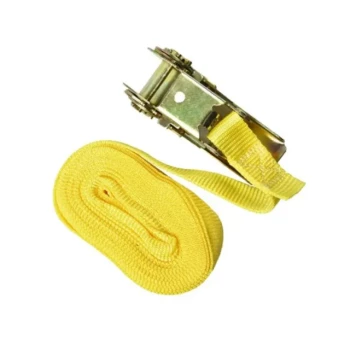
- Endless Loop Ratchet Hive Strap
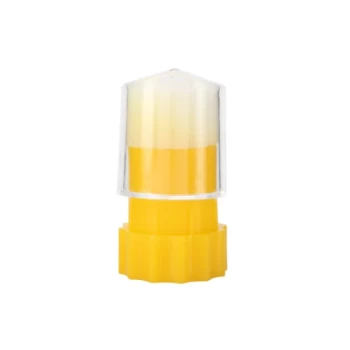
- Queen Bee Catcher Plastic Bee Marker Bottle with Piston Marking Tube
- One Hand Yellow Queen Marking Catcher Tube Cage Beekeeper Tool Accessory for Queen Bee
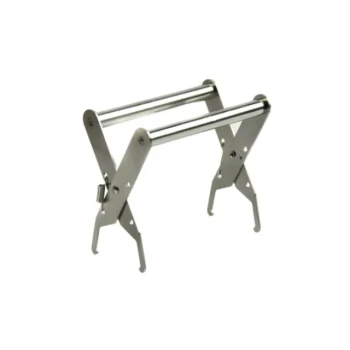
- Heavy-Duty Stainless Steel Frame Grip
People Also Ask
- What is the function of a queen clip catcher? Ensure Safe Queen Handling & Protect Your Colony
- What are the dual functions of queen bee catchers? Protect Your Queen with Isolation & Precision Management
- What are the advantages of using a queen clip catcher? Protect Your Queen with Precise, Stress-Free Handling Tools
- What is the function of queen clip catchers? Safely Handle Your Queen Bee
- What is the purpose of a queen catcher in beekeeping? Safely Handle Your Queen Bee