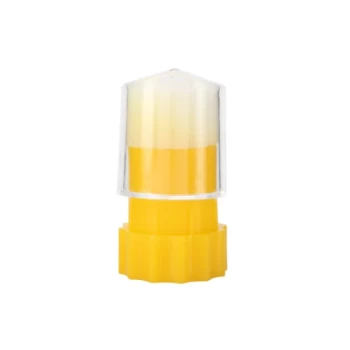
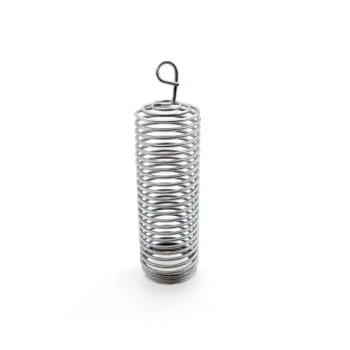
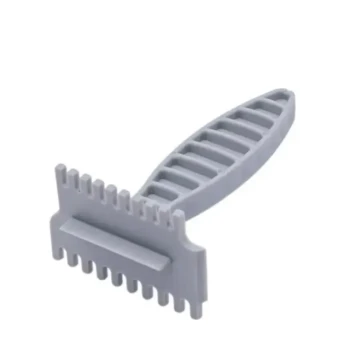
During colony inspections, queen bee catchers and specialized cages perform two distinct but complementary functions: physical isolation and operational stabilization. These tools primarily separate the queen from the worker population to prevent accidental crushing or injury during frame manipulation. Simultaneously, they create a controlled, stable environment that allows beekeepers to perform delicate tasks, such as color marking or wing clipping, without risking the queen’s safety.
The core value of these tools lies in risk mitigation: they protect the colony's single most valuable genetic asset from physical harm while transforming a chaotic hive environment into a controlled workspace for precise management.
The Mechanics of Queen Protection
Physical Isolation and Injury Prevention
The primary function of a queen catcher is to provide immediate separation between the queen and the rest of the colony.
During inspections, frames are shifted and manipulated, creating a high risk of "rolling" or crushing the queen between combs.
By isolating the queen within a rigid cage, you eliminate the possibility of accidental physical trauma during these movements.
Operational Stability for Delicate Tasks
Beyond simple protection, these cages serve as a stable workstation for necessary apiary procedures.
Tasks such as color marking or wing clipping require precision that is impossible to achieve while the queen is moving freely on a comb.
The cage restricts her movement gently, allowing the beekeeper to apply markers or perform clips accurately without harming her or triggering a defensive response from the workers.
Broader Context and Applications
Facilitating Introductions
While the primary reference focuses on inspections, specialized cages are also critical for introducing new queens.
Supplementary data indicates these cages allow worker bees to acclimate to a new queen's pheromones gradually.
Mechanisms like candy plugs provide a time-buffer (typically 1-2 days), ensuring the colony accepts the new scent before physical contact occurs, thereby preventing rejection.
Secure Transport
For operations moving beyond simple inspection, wooden transport cages offer a secure environment for logistics.
These specialized cages often include attendant bees to manage the queen's feeding, cleaning, and thermal regulation.
This ensures the queen maintains optimal physiological activity and minimizes stress before arriving at a lab or new apiary.
Understanding the Trade-offs
The Risk of Over-Manipulation
While cages provide safety, unnecessary handling can induce stress in the queen.
Over-use of catchers during brief, routine inspections where the queen does not need to be marked can be counterproductive.
Scent Disruption
Introducing foreign objects into the hive always carries a slight risk of disrupting chemical communication.
Beekeepers must ensure catchers are clean to avoid introducing foreign scents that could confuse workers or trigger aggressive behavior toward the queen upon release.
Making the Right Choice for Your Goal
To maximize the utility of queen catchers and cages, align their use with your specific objective:
- If your primary focus is Routine Inspection: Use catchers only when extensive frame manipulation is required, to strictly prevent accidental crushing.
- If your primary focus is Colony Management: Use specialized cages to immobilize the queen for precise marking, ensuring she is easily identifiable in future inspections.
- If your primary focus is Requeening: Utilize cages with candy plugs to enforce a slow release, allowing pheromone acclimatization to prevent regicide.
Mastering the use of these isolation tools is the difference between a chaotic inspection and a professional, controlled apiary operation.
Summary Table:
| Function | Primary Benefit | Use Case Example |
|---|---|---|
| Physical Isolation | Prevents accidental crushing/rolling | Extensive frame manipulation |
| Operational Stability | Enables precise handling and marking | Color marking or wing clipping |
| Pheromone Regulation | Facilitates colony acceptance | Requeening and introduction |
| Secure Logistics | Maintains health during transport | Shipping or moving colonies |
Elevate Your Apiary Operations with HONESTBEE
Protecting your most valuable genetic assets requires professional-grade precision. HONESTBEE specializes in supporting commercial apiaries and distributors with a comprehensive wholesale range of beekeeping tools, from specialized queen catchers to advanced hive-making and honey-filling machinery.
Whether you are scaling a commercial operation or supplying the industry, our high-quality consumables and specialized hardware ensure efficiency and safety at every step. Contact HONESTBEE today to discover how our wholesale solutions can streamline your production and safeguard your colonies.
References
- Francesca Michelini, Devan Rawn. The Basics of Queen Management in Beekeeping Operations. DOI: 10.32473/edis-in1457-2025
This article is also based on technical information from HonestBee Knowledge Base .
Related Products
- Heavy Duty Stainless Steel Queen Bee Catcher Clip
- Queen Bee Catcher Plastic Bee Marker Bottle with Piston Marking Tube
- Transparent Plastic Bee Catcher Queen Marker Tube Cage Beekeeping Tool Equipment
- Plastic Queen Bee Catcher Marker Tube Holder for Queen Marking Bottle
- One Hand Yellow Queen Marking Catcher Tube Cage Beekeeper Tool Accessory for Queen Bee
People Also Ask
- What is the function of a queen clip catcher? Ensure Safe Queen Handling & Protect Your Colony
- What are the advantages of using a queen clip catcher? Protect Your Queen with Precise, Stress-Free Handling Tools
- What is the function of queen clip catchers? Safely Handle Your Queen Bee
- What is the purpose of a queen catcher in beekeeping? Safely Handle Your Queen Bee
- What is a queen catcher and what is it used for? Essential Tool for Safe Queen Handling