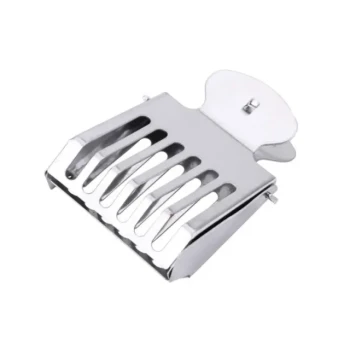
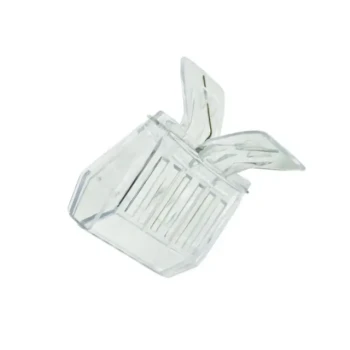
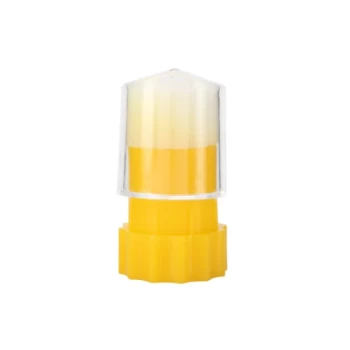
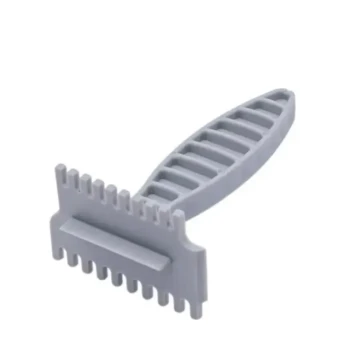
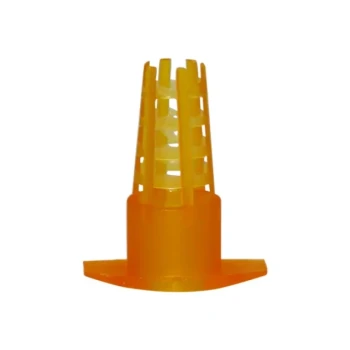
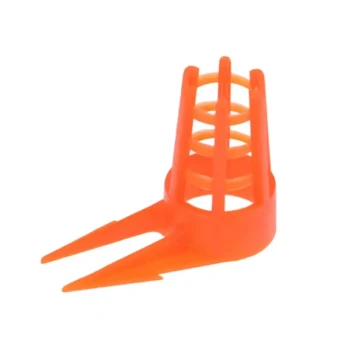
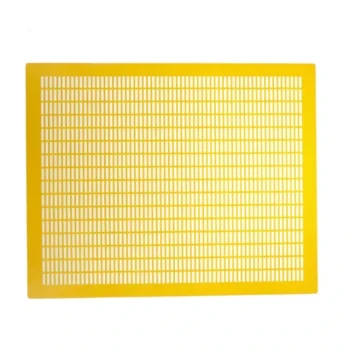
A queen clip catcher is a specialized tool designed to isolate and securely hold a queen bee. Its primary function is to protect the queen from physical injury—specifically accidental crushing or "rough handling"—that can occur during manual manipulation by the beekeeper.
By substituting direct manual contact with a mechanical enclosure, the queen clip catcher significantly reduces human-induced stress and physical trauma, ensuring the colony's stability remains intact during inspections or splitting.
The Mechanics of Protection
The fundamental goal of the queen clip catcher is to provide a safe alternative to grasping the queen with your fingers.
Secure Containment
The device is typically a small box, often made of plastic or metal. It utilizes a spring-loaded mechanism to open and close.
This design allows the beekeeper to entrap the queen gently. Once inside, the clip holds her securely without exerting pressure on her body, effectively eliminating the risk of crushing her abdomen or thorax.
Preventing Rough Handling
Manual handling is fraught with variables, including the beekeeper's grip strength and the bee's unpredictable movement.
The clip catcher standardizes this process. It acts as a rigid barrier, shielding the queen from the immediate physical stress of being held, which the primary reference notes is critical to preventing damage.
Critical Operational Uses
Beyond general safety, the clip catcher is a functional necessity for specific beekeeping workflows.
Hive Splitting and Isolation
When a hive is being split into two colonies, the location of the queen is the single most important variable.
Using a catcher allows you to safely detain the queen to ensure she remains with the intended portion of the split. This prevents the accidental loss of the queen, which would otherwise result in the total failure of the new hive division.
Transfer and Laboratory Work
The tool is essential for moving the queen between environments without direct contact.
It simplifies the transfer of the queen from the hive frame to laboratory equipment, such as cooling devices. This seamless transfer minimizes the human-induced stress placed on the queen during scientific observation or breeding procedures.
Marking and Identification
Beekeepers frequently need to mark queens for age tracking and easy identification.
The clip catcher immobilizes the queen sufficiently to apply paint or markers. This ensures the job is done accurately without the risk of the queen flying away or being injured by the marking tools.
Understanding the Trade-offs
While the queen clip catcher is superior to manual handling for safety, it is important to understand its operational context.
The Mechanism requires Precision
Although the device prevents crushing after the queen is caught, the act of catching her requires care.
The spring-loaded mechanism must be operated smoothly. The user must ensure the queen is fully clear of the closing edges to avoid trapping a leg or wing in the clip itself during the capture process.
Temporary Isolation Only
The clip is designed for short-term detention and transfer.
It is not a long-term cage. Its purpose is strictly for the duration of the handling task—be it moving, marking, or splitting—and the queen should be released back onto the comb as soon as the specific operation is complete.
Making the Right Choice for Your Goal
Using a queen clip catcher is about risk mitigation. Here is how to apply this tool to your specific objectives:
- If your primary focus is Hive Splitting: Use the catcher to isolate the queen first, ensuring she is physically secured in the correct box before moving any other frames.
- If your primary focus is Marking or Research: Utilize the catcher to bridge the gap between the hive and your equipment, reducing the "human-induced stress" that could alter the queen's behavior or health.
- If your primary focus is General Inspection: Rely on the catcher to eliminate the variable of grip strength, preventing accidental crushing that can occur even with experienced hands.
Ultimately, the queen clip catcher transforms the high-stakes task of handling a queen into a controlled, routine procedure.
Summary Table:
| Feature | Primary Function | Key Benefit |
|---|---|---|
| Spring-Loaded Mechanism | Controlled opening and closing | Prevents accidental crushing and physical trauma |
| Mechanical Enclosure | Substitutes direct finger contact | Reduces human-induced stress and prevents injury |
| Isolation Tool | Detains queen during hive splits | Ensures the queen remains in the intended hive division |
| Immobilization | Holds queen steady for marking | Allows accurate age tracking and easy identification |
| Transfer Interface | Moves queen to lab/cooling gear | Minimizes handling variables for scientific work |
Elevate Your Beekeeping Standards with HONESTBEE
Protecting your queen is the foundation of a thriving apiary. At HONESTBEE, we specialize in providing commercial apiaries and distributors with the professional-grade tools needed to ensure colony stability. From precision queen clip catchers to advanced honey-filling machines and hive-making equipment, our comprehensive wholesale portfolio is designed to meet the demands of large-scale operations.
Why partner with HONESTBEE?
- Full Spectrum Supply: Access everything from specialized machinery to essential industry consumables.
- Commercial Focus: Tailored wholesale solutions for global distributors and commercial beekeeping enterprises.
- Industry Expertise: High-quality hardware and honey-themed cultural merchandise that add value to your brand.
Ready to optimize your hive management and secure the highest quality equipment for your business?
Contact HONESTBEE Today to Discuss Your Wholesale Needs
Related Products
- Heavy Duty Stainless Steel Queen Bee Catcher Clip
- Professional Spring-Action Queen Catcher Clip
- Professional Queen Catcher and Introduction Queen Cage
- Transparent Plastic Bee Catcher Queen Marker Tube Cage Beekeeping Tool Equipment
- Queen Bee Catcher Plastic Bee Marker Bottle with Piston Marking Tube
People Also Ask
- What are the dual functions of queen bee catchers? Protect Your Queen with Isolation & Precision Management
- What are the advantages of using a queen clip catcher? Protect Your Queen with Precise, Stress-Free Handling Tools
- What is the function of queen clip catchers? Safely Handle Your Queen Bee
- What is the purpose of a queen catcher in beekeeping? Safely Handle Your Queen Bee
- What is a queen catcher and what is it used for? Essential Tool for Safe Queen Handling