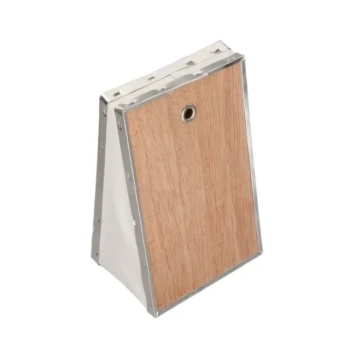
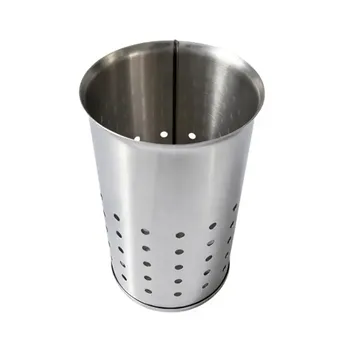
A beehive smoker acts as the primary control mechanism for ensuring safety and efficiency during honey harvesting. It functions by injecting cool smoke into the hive, which disrupts alarm pheromone communication and triggers a natural feeding instinct, rendering the colony docile enough for human interaction without causing significant harm to the bees.
The smoker is not merely a safety device for the operator; it is a critical instrument for masking defensive signals and triggering a specific survival response in bees, allowing for sustainable harvesting that protects the colony’s long-term retention.
The Mechanics of Colony Control
Disrupting Chemical Communication
Honeybees rely heavily on pheromones to communicate threats to the rest of the colony. When a guard bee senses danger, it releases an alarm pheromone to recruit others for defense.
The primary function of the smoker is to introduce smoke that physically masks these chemical signals. By interfering with the transmission of these pheromones, the smoker prevents the colony from organizing a defensive attack, keeping the collective mood calm.
Triggering the Survival Instinct
Beyond masking signals, the smoke taps into a deep-seated evolutionary response often referred to as the "fire instinct." Upon detecting smoke, bees interpret it as a sign of a potential forest fire threatening their home.
In response, the bees instinctively begin to gorge on honey to prepare for potential evacuation. This feeding frenzy distracts the bees and physically creates a state of lethargy, significantly lowering their aggression levels.
Operational Benefits in Harvesting
Ensuring Operator Safety
By neutralizing the colony's defensive behavior, the smoker creates a manageable environment for the beekeeper. It drastically reduces the risk of stings, allowing the operator to focus on the delicate task of extraction rather than personal defense.
Protecting Hive Integrity
A calm colony allows for smoother, more precise movements during the harvesting process. When bees are not attacking, the operator is less likely to rush or make clumsy movements that could cause mechanical damage to the hive structure or accidentally crush bees.
Promoting Colony Retention
The use of a proper smoker is essential for sustainable beekeeping. Data indicates that using a smoker results in a colony retention rate of approximately 96.9 percent.
In contrast, primitive methods such as burning straw can lead to a 100 percent absconding rate, where the bees abandon the hive entirely due to stress.
Understanding the Trade-offs
The Necessity of "Cool" Smoke
It is critical to distinguish between smoke and heat. References emphasize the use of cool smoke specifically.
Injecting hot smoke or sparks into a hive can singe the bees' wings or bodies. This negates the calming effect and can permanently damage the workforce you are trying to protect.
The Balance of Application
While essential, the smoker is an auxiliary tool meant for temporary control. It creates a short-term window for work by inducing a stress response (fear of fire).
Overuse can cause unnecessary stress or contaminate the honey flavor. The goal is to use the minimum amount of smoke necessary to mask pheromones and induce feeding, not to fumigate the hive.
Making the Right Choice for Your Goal
To maximize the effectiveness of your harvest, align your smoker usage with your specific objectives:
- If your primary focus is Beekeeper Safety: Prioritize generating a steady stream of cool smoke before opening the hive to immediately disrupt alarm pheromones and prevent the initial defensive rally.
- If your primary focus is Colony Sustainability: Use the smoker to avoid primitive methods like open burning, ensuring you achieve high colony retention rates and prevent the bees from absconding.
By controlling the chemical and behavioral environment of the hive, you transform a potentially volatile extraction process into a standardized, safe procedure.
Summary Table:
| Feature | Function & Impact | Benefit to Harvesting |
|---|---|---|
| Pheromone Masking | Disrupts alarm signals between guard bees | Prevents defensive attacks and colony aggression |
| Survival Instinct | Triggers honey gorging (lethargy) | Keeps bees distracted and calm during hive entry |
| Safety Mechanism | Provides a "cool smoke" barrier | Protects the beekeeper and prevents bee injury |
| Colony Retention | Reduces stress vs. primitive methods | Ensures a 96.9% retention rate post-harvest |
Elevate Your Beekeeping Operation with HONESTBEE
Maximize your harvest efficiency and ensure colony health with professional-grade equipment. As a leading supplier for commercial apiaries and distributors, HONESTBEE provides a comprehensive wholesale portfolio designed for industry excellence.
Our Value to You:
- Complete Equipment Range: From specialized hive-making and honey-filling machinery to high-quality smokers and protective gear.
- Essential Consumables: A wide array of industry-standard supplies to keep your operations running smoothly.
- Cultural Merchandise: Unique honey-themed products to diversify your retail offerings.
Ready to scale your business with reliable tools and machinery? Contact us today to explore our wholesale solutions!
References
- Issa YA, Logtene YM. Socio-Economic Characteristics and Techniques of the Bee-Keeping in the Area of Goundi (Chad). DOI: 10.16966/2576-6457.131
This article is also based on technical information from HonestBee Knowledge Base .
Related Products
- European Stainless Steel Bee Smoker for Honey Bee Hive
- Stainless Steel Bee Hive Smoker Beekeeping Smoker for Wholesale
- Stainless Steel Honey Bee Smoker Hive and Honeycomb Smoker for Beekeeping
- Electric Bee Smoker European Style Bee Hive Smoker for Beekeeping
- Stainless Steel Electric Beehive Smoker for Beekeeping and Bee Keeper Use
People Also Ask
- What type of bee smoker is recommended for a beginner? Top Picks for Easy Hive Management
- Why is a stainless steel bee smoker considered indispensable? Master Hive Management with Cool Smoke Technology
- What are bee smokers made out of? Choose the Right Material for Your Apiary
- What are the differences between stainless steel and galvanized steel bee smokers? Choose the Right Smoker for Your Apiary
- What is the technical necessity of using bee smokers? Essential Tools for Safe and Efficient Hive Management