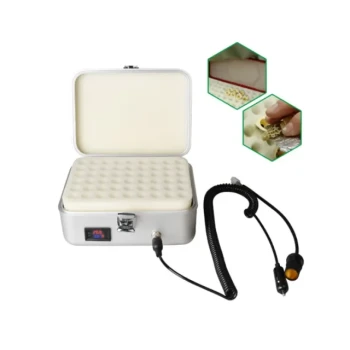
A constant temperature and humidity incubator serves as a high-precision surrogate beehive, creating an artificial environment that replicates the internal climate of a natural colony. Its primary function is to maintain brood frames at a stable temperature (typically 35°C) and humidity (around 50%) to ensure that larvae and pupae develop into healthy adults outside the hive, facilitating controlled genetic analysis and pathological research.
Core Takeaway The true value of these incubators lies in variable isolation. By eliminating environmental stress and weather fluctuations as factors, researchers can guarantee that observed data—whether mortality rates or physiological changes—are the direct result of experimental conditions (such as nutrition or toxins) rather than an unstable environment.
The Necessity of Environmental Simulation
Replicating Homeostasis
A natural honeybee colony aggressively maintains its internal "brood nest" temperature to ensure proper larval development. The incubator mimics this homeostasis.
By maintaining a standard setting, such as 35°C and 50% relative humidity, the equipment prevents the developmental abnormalities that occur when brood is exposed to external weather fluctuations.
Standardizing Emergence
For research involving worker bees, consistency is critical. Incubators ensure that brood frames removed from the colony continue to mature at a predictable rate.
This allows researchers to obtain a uniform batch of newly emerged bees. These standardized samples are essential for accurate genetic sequencing and morphological studies.
Ensuring Data Integrity in Research
Eliminating Environmental Noise
In field studies, weather is an uncontrollable variable. A cold snap or heat wave can alter bee physiology, corrupting data.
Industrial-grade incubators use PID control systems to lock in environmental parameters. This ensures that external factors do not interfere with the biological processes being observed within the chamber.
Validating Pharmacological and Nutritional Studies
When testing the effects of pesticides (pharmacology) or diet (nutrition), determining the cause of death is paramount.
If the environment is stable, any difference in mortality or immune function can be attributed solely to the test compound or pathogen. This prevents "false positives" where bees might have actually died from thermal stress or desiccation.
Specialized Applications and Settings
Optimizing Queen Rearing
Queen bee larvae are significantly more sensitive to environmental instability than worker bees, particularly during the pupation stage.
High-precision incubators utilize specific settings (often slightly lower, around 33°C, with varying humidity requirements) to maximize emergence rates. This precise control prevents quality degradation, ensuring the queens are biologically viable for breeding operations.
Disease Modeling (Chalkbrood)
Incubators are not always used to create "ideal" conditions; sometimes they are used to simulate specific stress scenarios.
For example, researchers may lower the temperature to 30°C to simulate the high-risk environment required for Chalkbrood outbreaks. This promotes fungal germination in the gut, allowing scientists to test the efficacy of probiotics against pathogens under controlled stress.
Understanding the Trade-offs
The "Ideal" Range Varies
While the primary standard is often cited as 35°C, different experimental goals require different set points.
Supplementary data suggests ranges from 33°C to 34.5°C, with humidity fluctuating between 40% and 75%. Blindly adhering to a single standard without considering the specific biological stage (e.g., pupation vs. emergence) or the specific goal (e.g., fungal growth vs. optimal health) can compromise results.
Equipment Sensitivity
Not all incubators provide the necessary stability for sensitive biological work.
Standard laboratory incubators may oscillate too widely around the set point. For honeybee research, high-precision industrial units are necessary to prevent micro-fluctuations that could induce sub-lethal stress in developing larvae.
Making the Right Choice for Your Goal
To utilize an incubator effectively, you must match the environmental parameters to your specific objective:
- If your primary focus is Standard Biological Research: Maintain 35°C and 50% RH to simulate the general hive environment for robust worker bee emergence and genetic analysis.
- If your primary focus is Queen Rearing: Aim for high-precision stability around 33°C-34°C, carefully monitoring humidity (often 60-75%) to prevent desiccation and ensure high survival rates.
- If your primary focus is Pathogen/Chalkbrood Research: Deliberately lower the temperature to 30°C and adjust humidity to 60% to induce stress and promote fungal growth for efficacy testing.
Success in honeybee research depends not just on having an incubator, but on using it to create a defensible, unwavering baseline for your data.
Summary Table:
| Application Goal | Temperature Setting | Humidity (RH) | Primary Benefit |
|---|---|---|---|
| Worker Bee Emergence | 35°C | 50% | Ensures uniform samples for genetic/morphological study |
| Queen Rearing | 33°C - 34°C | 60% - 75% | Maximizes survival and biological viability |
| Chalkbrood Research | 30°C | 60% | Simulates stress to test probiotic/pathogen efficacy |
| General Lab Research | 34.5°C - 35°C | 40% - 60% | Eliminates environmental noise for data integrity |
Elevate Your Bee Research with HONESTBEE Precision Equipment
At HONESTBEE, we understand that commercial apiaries and distributors require more than just tools—they need reliability and precision. Our high-performance incubators provide the stable environment necessary for successful queen rearing and rigorous scientific analysis, ensuring your operations remain productive and your data remains defensible.
Why partner with HONESTBEE?
- Comprehensive Wholesale Range: From specialized hive-making and honey-filling machinery to a full spectrum of beekeeping tools.
- Industry Expertise: We supply essential consumables and hardware tailored for large-scale commercial beekeeping.
- Global Distribution: Reliable solutions for distributors looking to offer top-tier honey-themed merchandise and professional equipment.
Ready to optimize your yield and research accuracy? Contact us today at HONESTBEE to explore our wholesale machinery and tools!
References
- James M Withrow, David R. Tarpy. Cryptic “royal” subfamilies in honey bee (Apis mellifera) colonies. DOI: 10.1371/journal.pone.0199124
This article is also based on technical information from HonestBee Knowledge Base .
Related Products
- Portable Queen Bee Incubator with 12V Car Adapter for Safe Transport
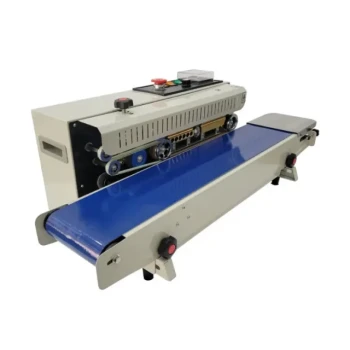
- Automatic Continuous Heat Sealing Machine
People Also Ask
- What happens if a colony loses its queen during the nectar flow? A Guide to Salvaging Your Honey Harvest
- How can you tell if the worker bees have accepted the queen? Decode Bee Behavior for a Thriving Hive
- How can the queenless state of a newly created nuc be resolved? Expert Solutions for Colony Growth
- What are the primary reasons for replacing a queen bee? Boost Your Commercial Honeybee Colony's Success
- What queen bee behaviors should be observed after introduction? Ensure Hive Success with Our Expert Monitoring Guide