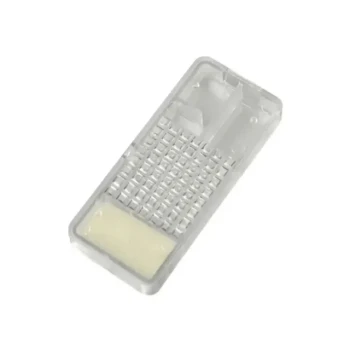
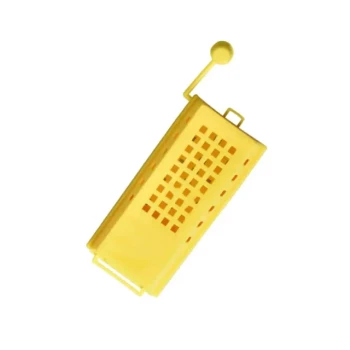
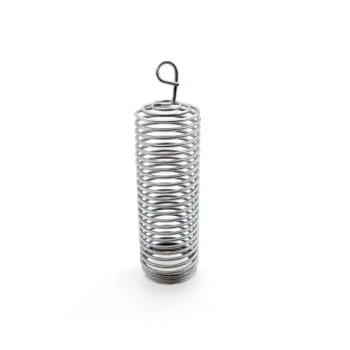
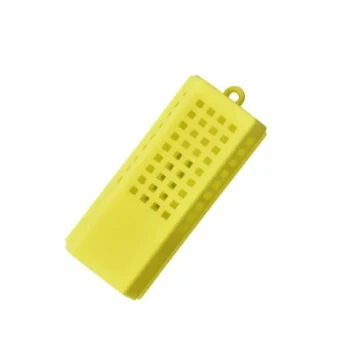
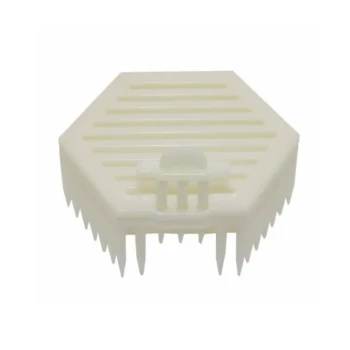
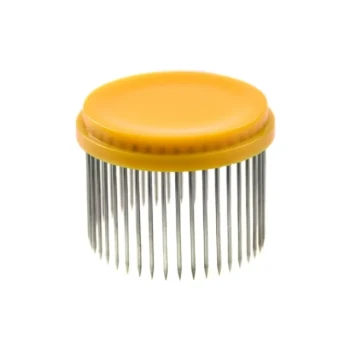
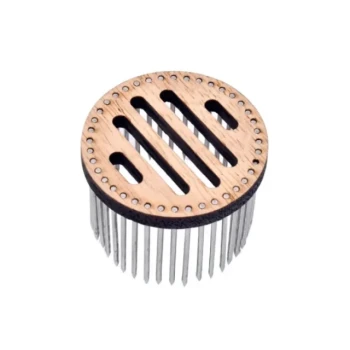
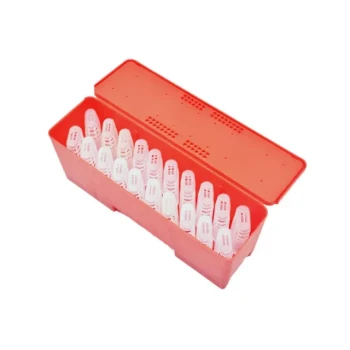
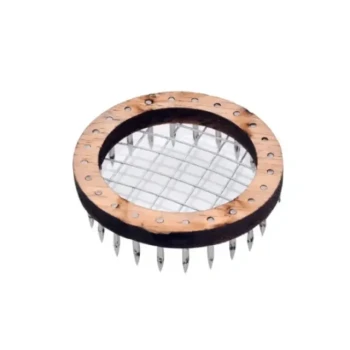
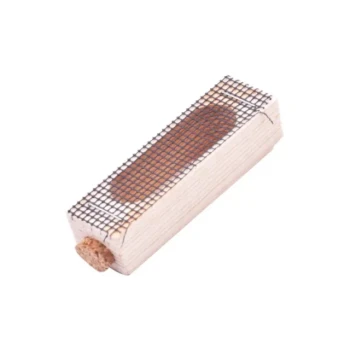
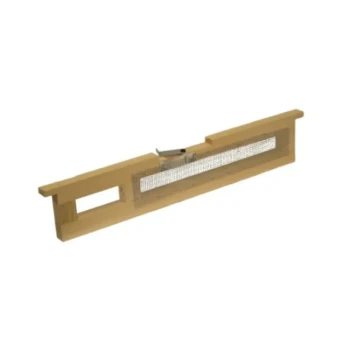
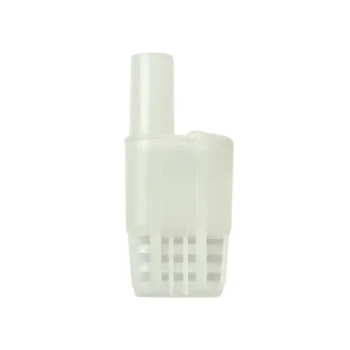
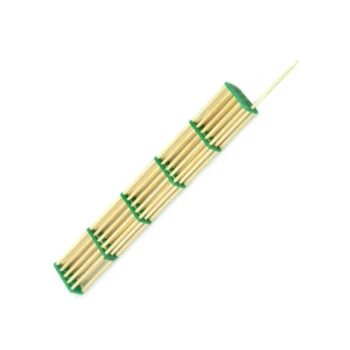
A specialized queen shipping and introduction cage functions as both a protective transport vessel and a biological integration tool. It ensures the queen's physical safety during long-distance transit while utilizing a "candy-release" mechanism to delay her entry into a new hive, granting the colony time to acclimate to her pheromones and preventing rejection.
The device bridges the gap between transport and installation, converting a simple shipping container into a time-release mechanism that is statistically proven to increase queen acceptance rates.
The Dual Engineering of Queen Cages
The cage is not merely a box; it is a two-stage tool designed to address the distinct challenges of logistics and biology.
Physical Protection in Transit
International transport subjects biological cargo to vibration, impact, and fluctuating conditions. The shipping cage provides a rigid physical barrier that prevents the queen from being crushed or injured during handling.
Critical Ventilation Systems
Queens are highly sensitive to overheating and suffocation. These cages are engineered with specific ventilation ports or mesh.
This design ensures a constant flow of air, maintaining a viable microclimate for the queen and her attendant bees throughout the shipping process.
The Mechanics of Introduction
Once the shipment reaches its destination, the cage transforms from a protective vessel into an acclimatization device. This addresses the deep need of the beekeeper: overcoming colony aggression.
The Pheromone Acclimation Period
A colony will naturally attack and kill a stranger, including a new queen. The cage acts as a mesh firewall, allowing the queen's pheromones to circulate through the hive without exposing her to physical contact.
This separation is vital. It allows the colony's "olfactory signature" to adjust to the new queen, shifting their behavior from aggression to acceptance.
The Candy-Release System
The core feature of this specialized cage is the exit tube blocked by a dense sugar paste, often called "candy."
Upon installation, worker bees from the receiving colony begin consuming this paste from the outside. This creates a mandatory, mechanical delay—usually lasting several days.
Automating Acceptance
This process removes human error from the timing of the release. By the time the workers chew through the candy barrier to free the queen, they have typically accepted her pheromone profile.
This significantly increases the success rate of queen replacement compared to direct release methods.
Understanding the Trade-offs
While these cages are the industry standard for safe transport, relying on the mechanism requires attention to detail.
Consistency of the Release Mechanism
The "candy" acts as a timer, but it is not digital. If the paste is too soft (due to heat or formulation), workers may eat through it too quickly, releasing the queen before the colony is pacified. This often results in the queen being "balled" (killed).
The Risk of Entrapment
Conversely, if the candy becomes too hard or dries out during extended international shipping, the workers may fail to breach it.
This leaves the queen trapped. While she is safe from aggression, she cannot begin laying eggs, and the beekeeper must eventually intervene manually, which can disrupt the delicate acceptance process.
Making the Right Choice for Your Goal
Whether you are shipping queens across borders or introducing them into local hives, understanding the cage's role is critical for survival.
- If your primary focus is Logistics (Shipping): Prioritize cages with robust structural integrity and maximum ventilation to survive the unpredictability of international freight.
- If your primary focus is Colony Success (Introduction): Verify the consistency of the candy plug before installation; it should be firm enough to delay release by at least 2-3 days but soft enough for workers to consume.
The specialized cage is the single most effective tool for managing the biological friction between a new queen and an established colony.
Summary Table:
| Feature | Role in Shipping | Role in Introduction |
|---|---|---|
| Rigid Structure | Protects queen from physical injury and crushing | Acts as a protective barrier from hive aggression |
| Ventilation Ports | Prevents overheating and suffocation in transit | Allows pheromone circulation throughout the colony |
| Candy-Release Plug | Provides a food source for the queen and attendants | Automates a timed release to increase acceptance rates |
| Mesh Screening | Ensures air flow during logistics | Prevents workers from attacking the queen physically |
Maximize Your Apiary Success with HONESTBEE
As a professional beekeeper or distributor, you know that the safety of your queen is the foundation of a productive colony. HONESTBEE specializes in supporting commercial apiaries and wholesale distributors with a comprehensive range of professional-grade beekeeping tools and machinery.
From advanced queen shipping solutions and hive-making machines to honey-filling equipment and essential industry consumables, we provide everything you need to scale your operations and ensure biological success.
Ready to elevate your beekeeping business? Contact HONESTBEE Today to explore our wholesale offerings and discover how our specialized equipment can enhance your efficiency.
References
- Thomas E. Rinderer, Lelania Bourgeois. Responses to <i><scp>V</scp>arroa destructor</i> and <i><scp>N</scp>osema ceranae</i> by several commercial strains of <scp>A</scp>ustralian and <scp>N</scp>orth <scp>A</scp>merican honeybees (<scp>H</scp>ymenoptera: <scp>A</scp>pidae). DOI: 10.1111/aen.12003
This article is also based on technical information from HonestBee Knowledge Base .
Related Products
- Professional Queen Bee Introduction and Transport Cage
- Professional Queen Cage with Sliding Gate and Feeder Plug
- Durable Galvanized Steel Spring Queen Bee Cage
- Professional Multi-Compartment Queen Cage with Sliding Lid
- Professional Multi-Functional Queen Bee Cage
People Also Ask
- Why are specialized queen bee cages used for the banking of mated queen bees? Maximize Commercial Apiary Storage Efficiency
- What is the mechanism of action for using temporary queen bee cages? Master Successful Queen Introduction
- How is a queen bee released from a queen cage? Ensure Safe Colony Integration & Hive Success
- What materials are required to install a queen bee's cage into a hive? Essential Tools for Successful Queen Integration
- How long should a queen bee stay in the cage before being released? Ensure a Successful Introduction