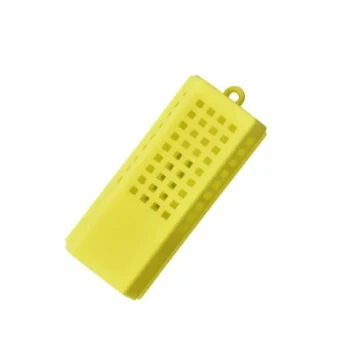
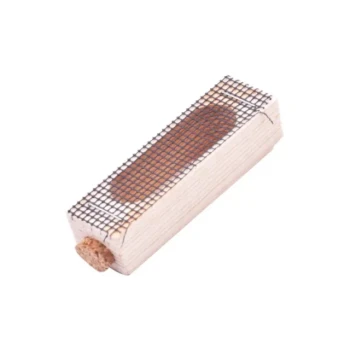
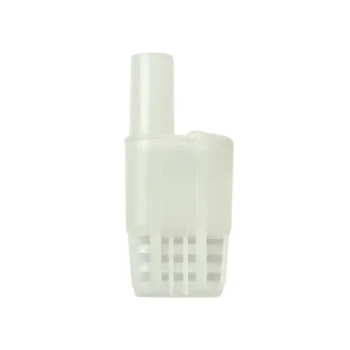
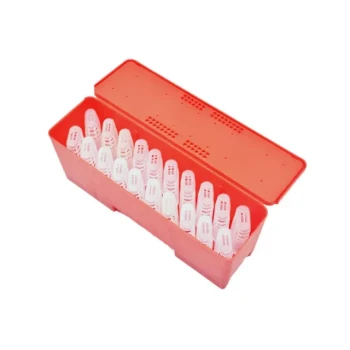
Assess worker behavior before taking physical action. If you find the queen remains in her cage with the candy plug intact, do not immediately force her release. You must look at how the worker bees are interacting with the cage; if they are clinging tightly rather than trying to feed her, the colony has not yet accepted her, and she requires more time to integrate safely.
The decision to release a caged queen depends entirely on colony acceptance, not a specific timeline. If worker bees exhibit aggressive behavior, delaying her release is safer than forcing integration, though prolonged confinement carries its own risks to colony progress.
Assessing Colony Acceptance
Analyzing Worker Behavior
The most critical indicator of whether to release the queen is the attitude of the worker bees on the outside of the cage.
If workers are aggressively clinging to the mesh and ignoring the queen's attempts to interact, they have not accepted her. Releasing her now would likely result in her death.
Conversely, if the workers are calm and attempting to feed the queen through the screen, this indicates acceptance.
The Role of the Candy Plug
The candy plug acts as a timer for introduction. If it remains intact, the bees have not chewed through it to release her.
While this can sometimes be due to hard candy, it often aligns with the bees' reluctance to integrate the new monarch.
If the behavior is aggressive, the intact plug is a safety mechanism that is working correctly. Do not bypass it.
Managing the Timeline
The Consequence of Delay
While patience is necessary for acceptance, there is a functional limit to how long a queen should remain caged.
Leaving the queen confined for an extended period prevents her from laying eggs. This creates a gap in the brood cycle, which can significantly delay the colony's population growth and progress for the entire season.
The Risk of Premature Release
Despite the need for speed, prioritizing the schedule over the bees' behavior is a common error.
Forcing the queen out before the chemical and social bond is formed usually leads to the workers rejecting her. This results in the colony killing the queen, setting the hive back far more than a few extra days of confinement would have.
Understanding the Trade-offs
Balancing Safety vs. Progress
You are managing a delicate balance between the queen's immediate safety and the hive's long-term productivity.
Extending confinement ensures she survives the introduction phase but creates a "brood break" that weakens the colony's future workforce.
Releasing her manually accelerates the timeline but introduces a binary risk: total success or the loss of the queen.
The Disturbance Factor
Every time you open the hive to check the cage, you introduce stress.
While monitoring is necessary to ensure she isn't stuck too long, frequent disruption can agitate the colony. This agitation increases the likelihood of the workers turning on the queen even after she is released.
Making the Right Choice for Your Goal
Once you have assessed the behavior of the workers, proceed based on the specific conditions of your hive.
- If your primary focus is Queen Safety: Leave the queen caged for an additional period if workers are clinging or aggressive, as they need more time to adjust to her pheromones.
- If your primary focus is Hive Health: Ensure you remove burr comb from around the cage when you eventually remove it, as this ensures frames fit evenly and encourages proper construction.
- If your primary focus is Colony Stability: Do not disturb the hive for at least 10 days once the queen is finally released to allow her to acclimatize and begin laying without stress.
Observation is your most valuable tool; let the bees tell you when they are ready.
Summary Table:
| Indicator | Acceptable (Safe to Release) | Unacceptable (Keep Caged) |
|---|---|---|
| Worker Behavior | Calm, attempting to feed queen through mesh | Aggressively clinging, biting at the cage |
| Pheromone Status | Integration successful; bees are docile | Rejection; bees view her as an intruder |
| Candy Plug | Partially or mostly consumed | Intact; bees showing no interest in clearing it |
| Action Step | Manually release or allow more time | Delay release; wait for behavioral shift |
| Risk Level | Low; high probability of egg-laying | High; queen may be killed immediately |
Scale Your Apiary Operations with HONESTBEE
Successful queen integration is just the beginning of a productive season. At HONESTBEE, we empower commercial apiaries and distributors with the high-quality tools and machinery needed to thrive.
Whether you require specialized hive-making machines, precision honey-filling equipment, or a steady supply of essential beekeeping consumables, our comprehensive wholesale portfolio is designed to maximize your efficiency and output. Partner with us to access professional-grade hardware and honey-themed merchandise tailored to your business needs.
Ready to elevate your honey production? Contact us today to discuss our wholesale solutions and bulk equipment offerings.
Related Products
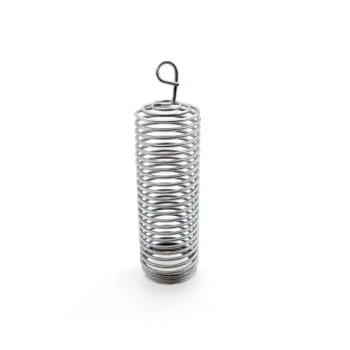
- Durable Galvanized Steel Spring Queen Bee Cage
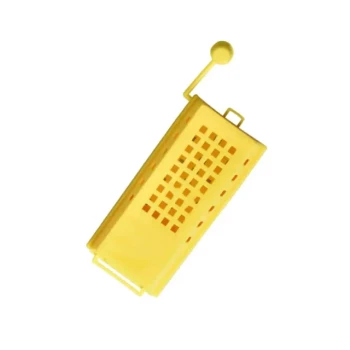
- Professional Queen Cage with Sliding Gate and Feeder Plug
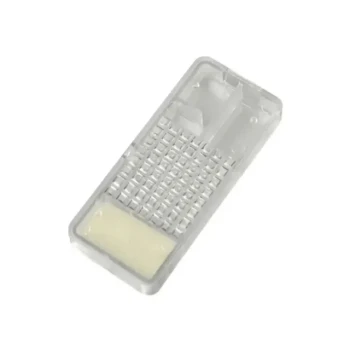
- Professional Queen Bee Introduction and Transport Cage
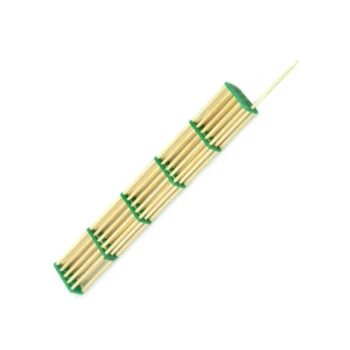
- Professional Bamboo Queen Isolation Cage
- Professional Multi-Functional Queen Bee Cage
People Also Ask
- Why are specialized queen bee cages used for the banking of mated queen bees? Maximize Commercial Apiary Storage Efficiency
- What is the mechanism of action for using temporary queen bee cages? Master Successful Queen Introduction
- What is the step-by-step process for installing a queen bee's cage onto a frame? Ensure Hive Acceptance Safely
- What is the optimal placement for a queen bee cage? Essential Strategies for Successful Re-queening
- What are the advantages and disadvantages of introducing a queen bee by embedding the cage? Boost Your Queen Acceptance