An integrated high-precision weighing system functions as the primary diagnostic engine in digital apiary management. By utilizing sensitive load cells to monitor real-time fluctuations in hive mass, it tracks critical metrics such as nectar and pollen flow, colony growth rates, and honey reserves without the need for physical inspection.
Core Insight: This technology shifts apiary management from reactive interventions to proactive data analysis. By serving as a non-invasive monitoring tool, high-precision weighing allows beekeepers to detect swarming events and food shortages instantly, ensuring colony survival while maximizing production efficiency.
The Operational Mechanics of Weight Monitoring
Tracking Resource Inflow
The primary function of the system is to quantify nectar and pollen flow. As foragers return with resources, the load cells register these subtle weight increases.
This data allows apiarists to map the precise availability of local flora resources. You can visualize exactly when a "honey flow" begins and ends based on daily weight gains.
Monitoring Colony Growth
Beyond resources, weight changes act as a proxy for colony population dynamics. A steady, curve-adjusted increase often indicates healthy brood rearing and population expansion.
This continuous stream of data provides a clear picture of the colony's developmental trajectory without the disruption caused by opening the hive.
Strategic Decision Making
Determining Optimal Harvest Time
For commercial operations, precision is profit. The system eliminates the guesswork involved in harvesting.
By analyzing the data on honey reserves, beekeepers can determine the exact moment a hive has reached capacity. This prevents premature harvesting (low yield) and missed opportunities.
Early Warning Systems
The system plays a vital defensive role by issuing timely alerts for critical biological events.
A sudden, sharp drop in weight often indicates a swarming event, where a portion of the colony leaves. Conversely, a gradual, unseasonal decline triggers alerts for food shortages, allowing for emergency feeding before starvation occurs.
Understanding the Trade-offs
Data Interpretation Context
While high-precision scales provide accurate raw data, they track symptoms rather than causes. A loss in weight indicates a problem (consumption, robbing, or swarming), but it does not diagnose specific diseases or parasites.
Therefore, weight data should be viewed as a "check engine light"—it tells you when to pay attention, but not always what is wrong biologically.
Implementation Dependencies
To achieve true "digital apiary" status, these weighing systems are most effective when part of a larger ecosystem.
As noted in broader monitoring contexts, integrating weight data with multi-sensor arrays (such as audio or video) provides a more complete picture. Relying solely on weight may miss behavioral nuances that do not immediately impact mass.
Leveraging Data for Your Apiary Goals
To maximize the value of a high-precision weighing system, align its use with your specific management objectives:
- If your primary focus is Commercial Yield: Use the nectar flow data to pinpoint the exact window for optimal harvest time, ensuring maximum extraction without disrupting the bees prematurely.
- If your primary focus is Colony Stewardship: Configure the system's alerts to prioritize swarming detection and food shortages, allowing you to intervene only when the colony's survival is at risk.
Digital apiary management is not just about gathering data; it is about using that data to minimize human interference while maximizing biological success.
Summary Table:
| Key Metric monitored | Operational Value | Management Benefit |
|---|---|---|
| Nectar & Pollen Flow | Quantifies resource inflow | Maps flora availability and flow timing |
| Hive Mass Changes | Proxy for population dynamics | Monitors brood health non-invasively |
| Honey Reserves | Identifies storage capacity | Determines precise optimal harvest time |
| Weight Fluctuations | Early warning system | Triggers alerts for swarming or starvation |
Elevate Your Commercial Apiary with HONESTBEE Technology
Transition from reactive beekeeping to data-driven precision. At HONESTBEE, we specialize in empowering commercial apiaries and distributors with the high-performance tools necessary for modern digital management. Our comprehensive wholesale catalog includes:
- Smart Monitoring Solutions: Advanced scales and sensors for real-time hive diagnostics.
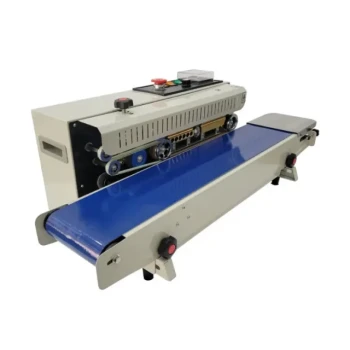
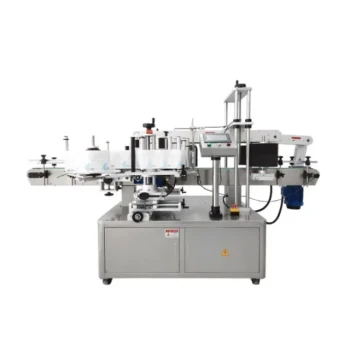
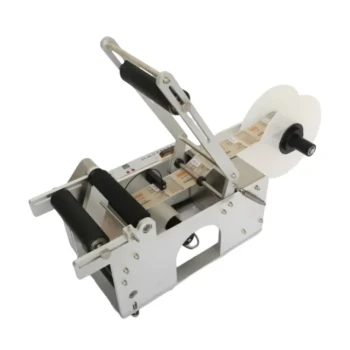
- Industrial Machinery: High-efficiency honey-filling and hive-making machines.
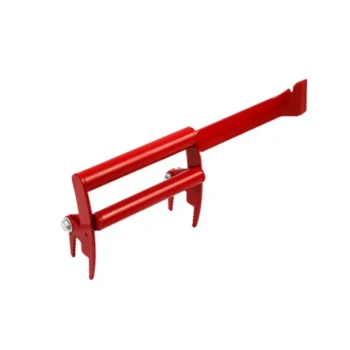
- Beekeeping Essentials: A full spectrum of professional tools, hardware, and industry consumables.
- Retail Value-Adds: Unique honey-themed cultural merchandise to expand your brand reach.
Whether you are scaling a commercial operation or supplying the next generation of beekeepers, HONESTBEE provides the machinery and expertise to maximize your biological success and production efficiency.
Contact us today to explore our wholesale offerings and industrial solutions!
References
- Pedro Dinis Gaspar, Hélio Silva. Development of Technological Capabilities through the Internet of Things (IoT): Survey of Opportunities and Barriers for IoT Implementation in Portugal’s Agro-Industry. DOI: 10.3390/app11083454
This article is also based on technical information from HonestBee Knowledge Base .
Related Products
- Precision Honey Refractometer Instrument for Quality Assessment
- Heavy-Duty Ergonomic Grip Galvanized Pollen Shovel
- HONESTBEE AC Powered Wire Embedder with Alligator Clips
- Digital Honey Refractometer for Precision Measurement of Optimal Honey Quality
- HONESTBEE Adjustable Voltage Wire Embedder with Digital Display
People Also Ask
- How do professional scientific instruments contribute to honey quality testing? Ensure Purity and Market Compliance
- What should be considered regarding the measurement range of a honey refractometer? Ensure Peak Honey Quality
- What are the key points for proper usage of a honey refractometer? Ensure Accurate Moisture Readings Every Time
- How should a honey refractometer be calibrated for accuracy? Master Precision in Honey Moisture Analysis
- What should be considered when choosing a honey refractometer? Key Factors for Accurate Moisture Testing