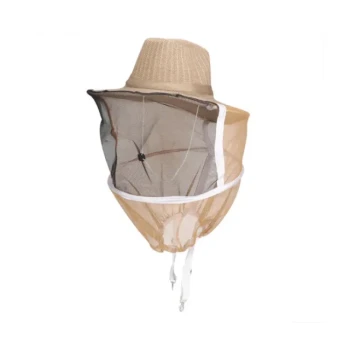
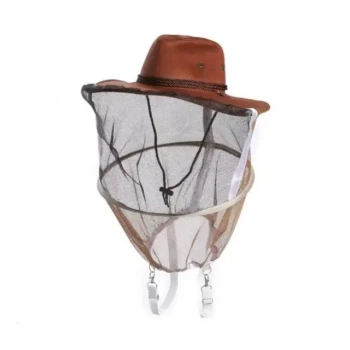
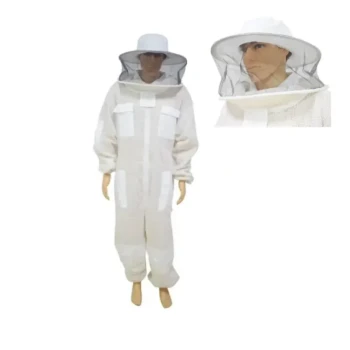
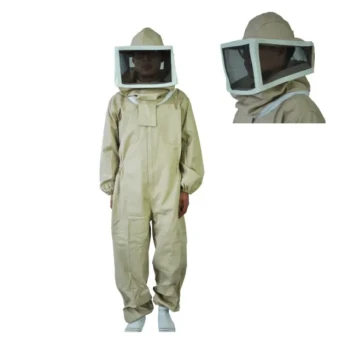
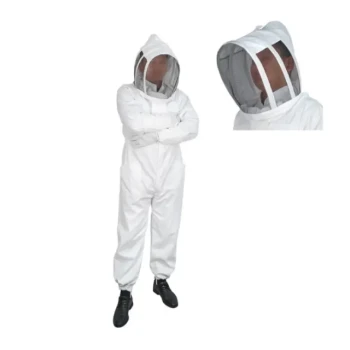
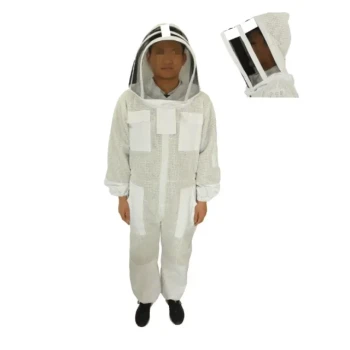
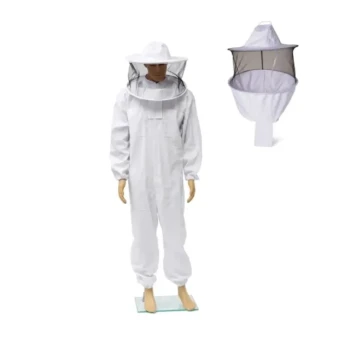
Protective gear is both a safety barrier and an efficiency tool. Bee veils protect the face and eyes from stings, while gloves and protective clothing reduce exposure during inspections, harvesting, and other hive-management tasks. By reducing fear and injury risk, the right equipment helps operators stay calm, focused, and precise—but gloves must still provide enough tactile sensitivity to avoid crushing bees or damaging comb.
Protective equipment works best when it balances sting protection, operator confidence, and handling precision. A veil is essential for facial protection, while gloves and full-body clothing should be selected according to colony temperament, task requirements, and the dexterity needed.
How Protective Gear Supports Safer Hive Management
Bee veils protect the most vulnerable area
A bee veil keeps bees away from the operator’s face, eyes, ears, and neck. This protection is especially important because a bee near the face can cause sudden movements, distraction, or an unsafe reaction during delicate hive work.
The veil also helps operators maintain visual focus while inspecting frames, checking brood, or assessing honey stores. Clear visibility and secure fit are essential; a poorly designed veil can obstruct vision or create discomfort that reduces working efficiency.
Gloves reduce sting exposure
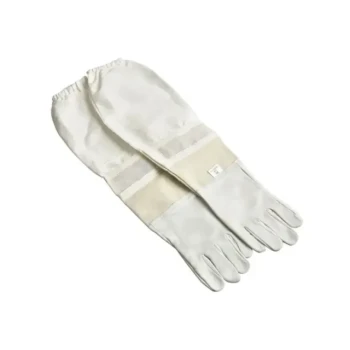
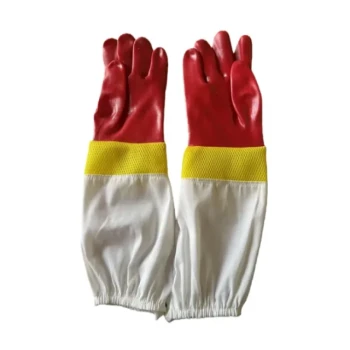
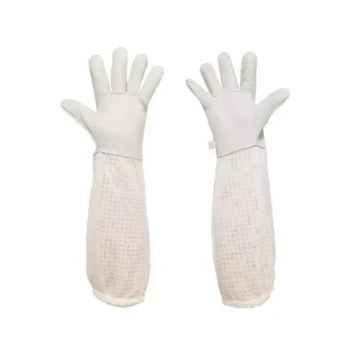
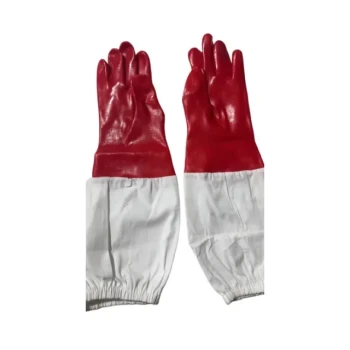
Protective gloves provide an additional barrier when hands are close to active colonies. They are particularly valuable when working with defensive colonies, performing unfamiliar tasks, or training less-experienced personnel.
Gloves do not eliminate all risk, but they can reduce the severity and frequency of stings. Their value is greatest when they fit securely, resist tearing, and allow the operator to maintain controlled hand movements.
Full-body clothing completes the safety barrier
Bee suits, coveralls, and protective sleeves shield the torso, arms, legs, and other exposed areas. Full-body protection is especially useful during routine inspections, honey harvesting, pest and disease control, and work around colonies with heightened defensive behavior.
A complete clothing system also prevents gaps between separate pieces of equipment. Secure closures, elasticated openings, and durable materials help ensure that protective coverage remains reliable while the operator moves.
How Protective Gear Improves Efficiency
Confidence supports calmer handling
Flying bees and the possibility of stings can cause hesitation or abrupt movement. Protective equipment reduces this anxiety, allowing the beekeeper to approach the hive with greater confidence.
Calmer handling benefits both the operator and the colony. Smooth, deliberate movements are less likely to provoke defensive behavior, disrupt the hive, or interrupt the inspection.
Protection reduces downtime
Stings, allergic reactions, damaged equipment, and worker hesitation can all slow apiary operations. Reliable protective clothing helps personnel continue planned tasks with fewer interruptions.
For commercial apiaries and service teams, this supports more consistent scheduling and higher productivity across inspections, maintenance, and harvesting activities.
Precision improves colony care
Hive management requires careful frame removal, comb inspection, and equipment adjustment. Protective gear should allow the operator to work safely without sacrificing the control needed for these tasks.
When equipment supports stable hand movements and clear visibility, beekeepers are better positioned to assess colony health, brood space, honey production, and potential pest or disease issues.
Choosing Gloves Without Losing Dexterity
Protection and tactile sensitivity must be balanced
Thick or bulky gloves may provide a stronger physical barrier, but they can reduce finger feel. This makes it harder to grip frames accurately and increases the risk of crushing bees.
Crushed bees may trigger alarm pheromones, causing defensive behavior and making the inspection more difficult. Glove selection should therefore reflect the task, colony temperament, user experience, and required level of precision.
Different tasks require different glove characteristics
Heavy-duty gloves may be appropriate for aggressive colonies, transport, or work where maximum coverage is the priority. More flexible designs may be better for routine inspections where fine control and gentle handling are essential.
For distributors and resellers, offering multiple glove types is more useful than treating one model as suitable for every operation. A broader portfolio allows customers to match protection levels with specific working conditions.
Fit and durability affect performance
Gloves that are too loose can reduce control, while gloves that are too tight can cause fatigue and limit movement. Materials should also withstand repeated use, cleaning, and contact with hive equipment.
Reliable sizing, consistent construction, and clear product specifications help buyers select equipment with fewer returns and less operational disruption.
Protective Gear as Part of a Complete Hive-Management System
Equipment should work together
A veil, suit, gloves, and footwear should form a coordinated protective system. Gaps at the wrists, ankles, neck, or closures can undermine otherwise effective protection.
Protective clothing should also be used alongside proper hive tools and controlled handling techniques. Gear reduces exposure to stings, while correct tools and methods reduce unnecessary disturbance to the colony.
Protection supports routine maintenance
Regular hive inspections are essential for monitoring colony condition and productivity. When personnel feel adequately protected, they are more likely to perform inspections consistently and address problems before they become more difficult to manage.
This makes protective gear relevant not only to personal safety but also to colony maintenance, workforce reliability, and overall apiary productivity.
Product quality influences operational reliability
For professional users, protective equipment is not a disposable convenience. It is a recurring operational requirement that must perform reliably across repeated hive visits and changing field conditions.
Distributors and wholesalers can create greater value by sourcing a full-spectrum portfolio that includes veils, suits, gloves, and complementary hive-management equipment. Responsive service, dependable order fulfillment, and practical product expertise are important when customers need replacement gear quickly.
Understanding the Trade-offs
More protection can reduce handling precision
The most heavily reinforced glove is not automatically the best choice. Excessive thickness may make frame handling slower and increase the likelihood of accidental bee or comb damage.
The correct decision depends on the balance between colony defensiveness and the precision required for the task.
Lightweight gear may require more careful use
Flexible gloves and lighter clothing can improve comfort and dexterity, but they may offer less resistance to tearing or stings. They should be selected with attention to material quality, construction, and the working environment.
Lightweight equipment is not a substitute for sound handling practices or appropriate protection around defensive colonies.
Discomfort can reduce productivity
Heat, restricted movement, poor visibility, and incorrect sizing can cause fatigue during longer inspections. An uncomfortable operator may work more slowly or remove equipment prematurely.
Comfort, ventilation, secure fit, and visibility should therefore be treated as performance considerations, not merely preferences.
One product cannot serve every buyer
A hobbyist, commercial beekeeper, maintenance technician, and distributor may have different requirements. Standardizing on one protective configuration can create avoidable compromises.
A well-planned product range should address different protection levels, sizes, materials, climates, colony temperaments, and task types.
How to Apply This to Your Project
The most effective protective-equipment strategy matches the product configuration to the user’s risk level and handling requirements.
- If your primary focus is operator safety: Prioritize full-body coverage, a secure bee veil, durable gloves, and reliable closures that minimize exposed gaps.
- If your primary focus is precise hive inspection: Choose gloves and clothing that preserve tactile sensitivity, visibility, and controlled movement.
- If your primary focus is commercial productivity: Select durable, comfortable equipment that reduces downtime and supports repeated inspections.
- If your primary focus is distribution or resale: Build a complete product portfolio across veils, suits, gloves, and related hive tools, supported by responsive service and dependable fulfillment.
- If your primary focus is aggressive colonies: Favor stronger protective barriers while ensuring the gloves still permit safe, controlled frame handling.
The right protective gear enables beekeepers to work calmly, precisely, and consistently—protecting both people and colonies while improving operational efficiency.
Summary Table:
| Protective Gear | Key Role | Efficiency Impact |
|---|---|---|
| Bee Veils | Protects face and eyes from stings | Enables clear vision and calm handling |
| Gloves | Reduces sting exposure on hands | Must balance protection with tactile sensitivity |
| Full-Body Suits | Shields torso and limbs | Prevents gaps and supports consistent workflow |
| All Combined | Forms a protective system | Reduces downtime and boosts productivity |
Equip your apiary with top-quality protective gear from HONESTBEE. Our wholesale range covers veils, suits, gloves, and all hive management tools. With fast delivery, OEM/ODM support, and certified quality, we help distributors and beekeepers maintain safety and efficiency. Contact us today to source your complete beekeeping equipment portfolio!
Related Products
- Goatskin Leather Beekeeper Gloves with Vent Long Sleeve for Beekeeping Honey Bee Sting Proof Protection
- Beekeeping Gloves Goatskin Leather with Long Cotton Sleeve for Beekeepers
- Heavy Duty Red Rubber Beekeeping Gloves with Vented Mesh Cotton Sleeves
- Goat Skin Leather Bee Sting Proof Beekeeping Gloves with Canvas Sleeve
- Premium Ventilated Goatskin Beekeeping Gloves with Full 3-Layer Mesh Sleeve
People Also Ask
- What are the characteristics of goatskin beekeeping gloves? Enhance Dexterity and Protection in Your Apiary
- Why is it important to have gloves available even if not always worn? Essential Risk Management for Beekeepers
- What are the primary purposes of using beekeeping gloves? Protect Your Hands and Ensure Apiary Hygiene
- Why do some experienced beekeepers opt not to wear gloves? Discover the Benefits of Tactile Precision
- Why is it important for beekeepers to wear gloves? Essential Safety and Confidence for Hive Management