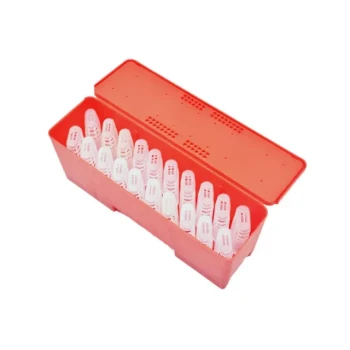
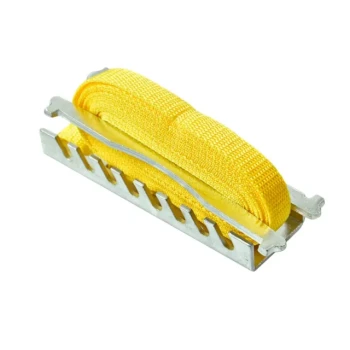
Specialized transportation packaging acts as a fundamental physical firewall in the cross-border trade of queen and package bees. These containers utilize specific insect-proof mesh structures to simultaneously provide necessary ventilation for the bees while trapping invasive pests within the shipping unit. This ensures that while valuable genetic stock moves freely, dangerous hitchhikers like the Small Hive Beetle are effectively intercepted.
Core Takeaway: Hardware-based protection is as vital as procedural policy. By employing containers designed with insect-proof mesh, the industry creates an immediate physical barrier that secures the bees' survival while preventing the escape and spread of concealed pests during international transit.
The Mechanics of Protective Packaging
The Physical Barrier Principle
The primary function of specialized bee packaging is to serve as a physical barrier. Unlike standard shipping boxes, these containers are engineered to filter what enters and exits the environment.
Balancing Survival and Security
Transporting live insects requires a delicate balance. The packaging ensures necessary ventilation to keep the bees alive and healthy during transit.
However, this ventilation cannot come at the cost of security. The design utilizes insect-proof mesh that allows airflow but is fine enough to prevent larger organisms from passing through.
Targeting Invasive Threats
Intercepting the Small Hive Beetle
The primary reference for this technology focuses on the Small Hive Beetle (SHB). Adult beetles often attempt to conceal themselves within packaging materials or hide directly among the bee clusters.
Containment During Transit
If a pest is inadvertently packed with the bees, the specialized packaging ensures it remains trapped. The mesh intercepts these pests, preventing them from escaping into the new environment upon arrival at the destination.
Integration with Biosecurity Protocols
Hardware Meets Procedure
Packaging does not operate in a vacuum. It is designed to work in tandem with strict quarantine procedures.
A Multi-Layered Defense
While quarantine protocols represent the administrative layer of defense, the packaging provides the hardware-based protection. This combination significantly reduces the risk of cross-border pest spread in the international honeybee trade.
Understanding the Limitations
The Scope of Protection
It is important to recognize that this packaging targets specific physical threats. While effective against adult insects like the Small Hive Beetle, mesh barriers do not filter out microscopic pathogens or viruses.
Dependence on Integrity
The system relies entirely on the structural integrity of the container. Any tear in the mesh or defect in the seal renders the biosecurity barrier useless, necessitating rigorous inspection before shipment.
Strengthening Your Biosecurity Protocols
To effectively utilize specialized packaging in your operations, consider your specific role in the supply chain:
- If your primary focus is Exporting: Ensure your containers utilize certified insect-proof mesh that balances high airflow with strict pest containment to meet international standards.
- If your primary focus is Importing: Inspect the physical integrity of every mesh container upon arrival to confirm that no containment breaches occurred during transit.
Biosecurity is not just about rules; it is about the physical reliability of the hardware you trust to carry your cargo.
Summary Table:
| Feature | Function in Biosecurity | Primary Benefit |
|---|---|---|
| Insect-Proof Mesh | Physical barrier against pests | Prevents escape of Small Hive Beetles (SHB) |
| Engineered Ventilation | Maintains airflow for colony health | Balances bee survival with structural security |
| Reinforced Seals | Eliminates containment exit points | Ensures hardware integrity during long-haul transit |
| Quarantine Synergy | Complements administrative protocols | Provides a multi-layered defense for international trade |
Secure Your Global Bee Shipments with HONESTBEE
As a commercial apiary or distributor, the integrity of your hardware is your first line of defense against biosecurity risks. HONESTBEE specializes in providing comprehensive wholesale solutions, from specialized bee transportation packaging and hive-making machinery to advanced honey-filling equipment. We understand that for commercial operations, quality tools are essential for protecting your genetic stock and maintaining industry standards.
Ready to elevate your apiary infrastructure? Contact us today to explore our full spectrum of beekeeping tools and equipment designed for the professional market.
References
- Ahmet Onur Girişgin, Yunus Emre YÖRÜK. Bal Arısında Küçük Kovan Kurdu Aethina tumida’nın Hipotetik Çalışması: Türkiye’ye Girişi İçin Riskler ve Olasılıklar. DOI: 10.9775/kvfd.2022.28027
This article is also based on technical information from HonestBee Knowledge Base .
Related Products
- Plastic Transporting Bee Packages and Nuc Boxes for Beekeeping
- JZBZ Style Professional Battery Box with 20 Shipping Cages
- Professional Queen Bee Introduction and Transport Cage
- Australian Langstroth Beehive Boxes for Beekeeping Wholesales
- Langstroth Honey Bee Box Hive Boxes for Different Depths
People Also Ask
- What role do bee package boxes play in the commercial transport and expansion of honeybee colonies? - Logistic Essentials
- What are beekeeping boxes called? A Guide to Hive Bodies and Box Types
- How do standardized bee packages serve as a recovery mechanism for commercial beekeeping? Ensure Business Continuity
- What is the commercial value of using standardized bee packages? Drive Scalability in Large-Scale Apiaries
- Why is the timely introduction of high-quality bee packages critical? Save Your Apiary from Asian Hornet Invasions