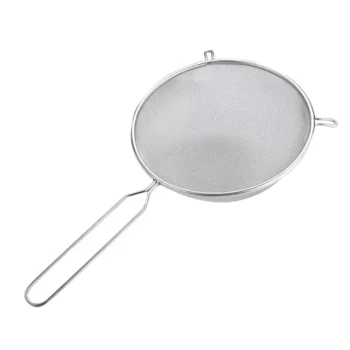
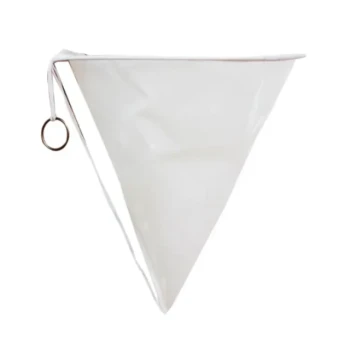
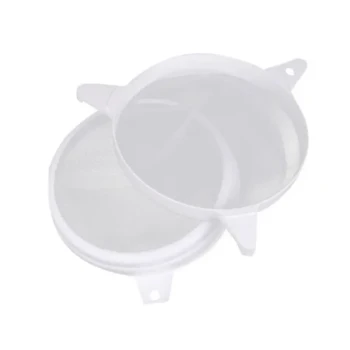
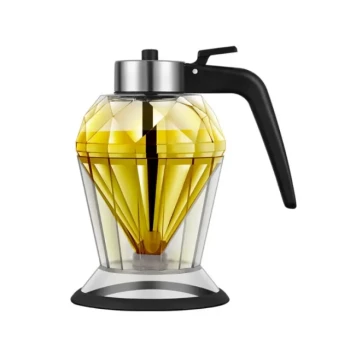
Immediately after extraction, the priority is filtering the honey to remove physical impurities. You must strain the honey through a fine mesh or cloth to separate wax cappings, bee parts, and other debris from the pure liquid honey.
Core Takeaway Achieving clear, high-quality honey requires a two-step purification process: mechanical straining to remove solid debris, followed by a passive settling period to eliminate air bubbles and micro-particles.
The Filtration Process
While extraction removes honey from the comb, it inevitably pulls along unwanted solids.
Removing Large Debris
The primary reference dictates that honey must be filtered immediately to remove wax cappings and impurities. Whether using a centrifugal extractor or the "crush and strain" method, the liquid will contain suspended solids that must be physically separated.
Selecting the Right Filter
Common techniques involve passing the honey through a fine metal mesh, a cheesecloth, or a specialized paint strainer. This ensures that only liquid honey passes into your collection bucket, leaving the bulkier wax and debris behind.
Managing Flow
If using a mechanical extractor, a valve at the bottom of the drum releases the honey. This should flow directly into a bucket equipped with your chosen strainer to streamline the process.
The Critical Settling Phase
Filtration removes solids, but it does not account for air or microscopic particles.
Allowing Bubbles to Rise
According to supplementary data, filtered honey should not be bottled immediately. It must settle in a clean container for one to two days. This allows air bubbles introduced during extraction to rise to the surface.
Gravity Clarification
During this settling period, finer particles that escaped the mesh will float to the top or sink to the bottom. This gravity-based separation allows you to draw clean, clear honey from the middle layer, significantly improving the visual quality.
Skimming the Surface
After settling, a foam layer (often containing fine wax and air) will form on top. This should be skimmed off before opening the bottom valve of the bucket to fill jars.
Handling the Wax Byproducts
The beeswax left behind is a valuable resource that requires immediate attention.
Cleaning the Cappings
Before melting down wax cappings, you should remove the sticky honey residue. A highly effective method is placing the cappings in an area accessible to honeybees.
Bee-Assisted Cleaning
The bees will consume the excess honey, leaving dry, clean wax flakes. This biological cleaning simplifies the rendering process and reduces the stickiness of the material.
Understanding the Trade-offs
Heating vs. Raw Quality
Some methods, particularly pressing or commercial processing, suggest warming the honey in a water bath to speed up straining. While heat reduces viscosity and makes filtration faster, excessive heat can degrade the honey's natural enzymes and flavor profile.
Speed vs. Clarity
Using a very fine filter produces clearer honey but significantly slows down the flow rate. Conversely, coarse filters work quickly but may require a longer settling time to achieve the same clarity.
Making the Right Choice for Your Goal
- If your primary focus is preserving raw quality: Avoid heating the honey; use a coarse strainer first, followed by a fine strainer, and allow for a full 48-hour settling period.
- If your primary focus is commercial presentation: Utilize multi-stage filtration and controlled gravity settling tanks to ensure consistent color and the complete removal of air bubbles for better shelf appeal.
- If your primary focus is byproduct utilization: Immediately separate your wax cappings and allow your bees to clean them before rendering the wax for candles or balms.
Proper post-extraction handling is the difference between cloudy, foamy honey and a professional, shelf-stable product.
Summary Table:
| Process Phase | Primary Action | Purpose | Recommended Duration |
|---|---|---|---|
| Filtration | Fine mesh/cloth straining | Remove wax cappings, bee parts, and debris | Immediate |
| Settling | Gravity clarification | Eliminate air bubbles and micro-particles | 24 - 48 Hours |
| Skimming | Surface foam removal | Improve honey clarity and shelf appeal | Post-settling |
| Wax Cleanup | Bee-assisted cleaning | Prepare cappings for rendering/recycling | Immediate |
Elevate Your Honey Production with HONESTBEE
Transitioning from extraction to a retail-ready product requires precision and the right equipment. HONESTBEE is dedicated to supporting commercial apiaries and distributors by providing a comprehensive wholesale range of beekeeping solutions.
Whether you need industrial-grade honey-filling machines to streamline your bottling, specialized hive-making hardware, or high-efficiency filtration tools, we deliver the professional equipment you need to scale your operations. From essential consumables to honey-themed cultural merchandise, we empower you to maximize the value of every harvest.
Ready to upgrade your apiary’s efficiency? Contact us today to explore our wholesale machinery and tools!
Related Products
- Stainless Steel Honey Storage and Settling Tank with Double Strainer
- Electric Double Wall Honey Filtering Machine Purifier Equipment for Honey Processing Plant
- Honey Concentrating and Filtering Dehumidifier Machine 2T Capacity for Honey
- Professional Stainless Steel Honey Filtering Machine with Water Bath Heating for Beekeeping
- 0.5T Capacity Honey Dehumidifier Dryer with Vacuum Heating and Thickening Filtering Machine
People Also Ask
- What economic role do honey storage tanks play? Boost Your Revenue Through Strategic Inventory Management
- What roles do industrial honey storage tanks and filtration meshes play in processing? Ensure Purity & Consistency
- What is the purpose of a honey storage tank? Streamline Your Honey Processing for Quality & Efficiency
- What role do settling tanks play in honey production? Achieve Pure, High-Clarity Honey Naturally
- Why are large settling tanks used in the honey clarification process? Achieve Natural Purity & Batch Consistency