Use breathable confinement hardware, not sealed hive closures. During active pesticide or fungicide spraying, the core hardware should be an eight-mesh entrance screen or entrance gate, paired with a screened top cover or dedicated hive ventilation box. Replace solid covers, remove the inner cover where appropriate, provide shade and evaporative cooling with damp burlap or cloth, and reopen the entrances promptly once the spray hazard has passed.
The safest temporary setup isolates bees from the spray while preserving airflow: secure the entrance with breathable mesh, increase ventilation at the top, and control heat through shade and damp cooling materials. Never treat a confined hive as airtight.
The Hardware Needed for Temporary Hive Confinement
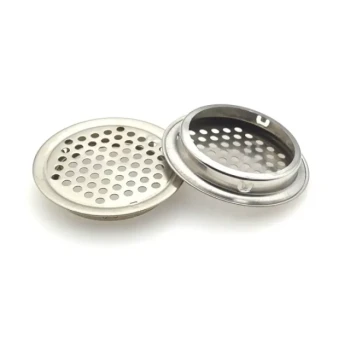
Eight-mesh entrance screens
An eight-mesh hardware cloth screen fitted over the hive entrance prevents foragers from leaving during the spraying window while allowing air to enter.
For practical use, the screen should be securely attached to the hive body or entrance gate and installed before spraying begins, commonly the night before or early in the morning.
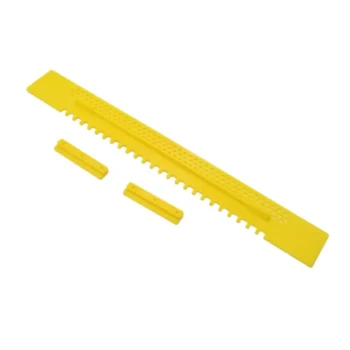
Entrance reducers and confinement gates
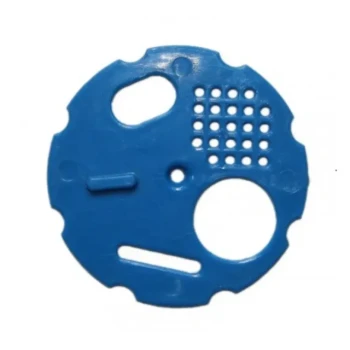
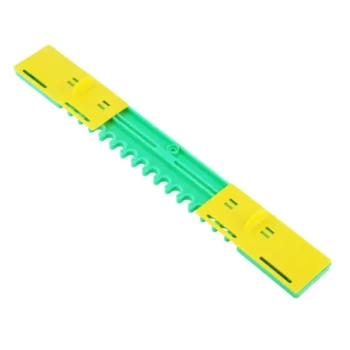
Entrance reducers help control the hive opening, while specialized entrance screens or confinement gates provide the breathable barrier needed for full temporary closure.
A reducer alone may not prevent bees from exiting. For pesticide protection, use a purpose-designed screened gate or mesh panel that keeps bees inside without eliminating ventilation.
Screened top covers
Replace a solid hive cover with a screened top cover during warm-weather confinement.
Top screening allows heated air and carbon dioxide to escape from the colony. This is especially important when the entrance is blocked, because the normal lower-to-upper airflow path is restricted.
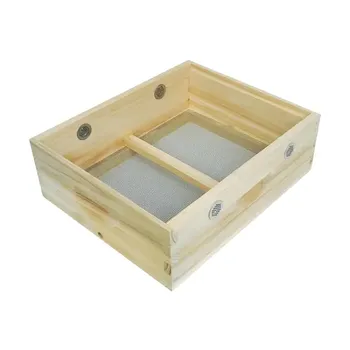
Hive ventilation boxes
A hive ventilation box is specialized equipment designed to maintain air exchange while the hive entrance is closed.
It helps reduce the risk of rapid temperature increases and carbon dioxide accumulation. For distributors and commercial apiaries, these units are valuable as reusable, purpose-built confinement hardware rather than improvised solutions.
Damp burlap, cloth, or cooling materials
Drape wet burlap or another breathable damp cloth over the hive to support evaporative cooling during hot spraying conditions.
The material should not obstruct the screened ventilation areas. It is primarily a cooling aid, not a guaranteed chemical-proof barrier against spray drift or residue.
How the Ventilation System Works
Air must enter and exit the hive
Confined bees continue producing heat and carbon dioxide. Closing the entrance without creating an alternative ventilation path can result in overheating, suffocation, or colony stress.
The preferred arrangement is screened airflow at the top combined with a breathable entrance screen. Where available, a ventilation box can provide a more controlled solution.
Remove the inner cover when appropriate
When using top screening, the solid inner cover should generally be removed so air can move freely through the hive.
Leaving a solid inner cover beneath a screened top may restrict the very airflow the confinement system is intended to provide.
Provide additional internal space
An empty shallow hive body can provide additional space and improve air circulation during temporary confinement.
This is a supplementary measure, not a substitute for screened entrances and top ventilation. The hive must still be protected from excessive heat and direct sunlight.
Support hydration and colony stability
Wet sponges placed on the top bars can provide a temporary source of moisture, while a frame feeder containing sugar syrup may help support colonies during prolonged confinement.
These measures address hydration and nutrition; they do not replace proper ventilation or eliminate the need to reopen the hive promptly.
Recommended Installation Sequence
Prepare before spraying starts
Install entrance screens or confinement gates before the spray operation begins, ideally when most foragers have returned to the hive.
Confirm that the screens are secure and that no large gaps allow bees to escape or spray to enter directly.
Replace solid covers with ventilation hardware
Remove the solid hive cover and inner cover where appropriate, then install the screened top cover or ventilation box.
Ensure that the top assembly is stable and that the screened surfaces remain unobstructed.
Add cooling and shade
Place the confined hives in shade whenever possible. Drape damp burlap or cloth over the hive without blocking the screened ventilation openings.
In hot conditions, inspect the setup regularly for drying cloth, blocked screens, crowding, or signs of heat stress.
Reopen after the hazard has passed
Reopen the entrance screens promptly after the spraying operation and the relevant exposure window have ended.
Keeping bees confined longer than necessary increases the risks of heat stress, dehydration, panic, and inadequate access to forage.
Understanding the Trade-offs
Confinement reduces exposure but does not guarantee protection
Entrance screens reduce the risk of bees flying into active spray, but they do not make the colony immune to spray drift, contaminated surfaces, or chemical residues.
Moving colonies away from the treatment area remains the stronger option when it is practical. Physical relocation or isolation should be considered before temporary confinement.
More screening can still be insufficient in extreme heat
Screened hardware improves airflow, but it cannot compensate for direct sun, inadequate internal space, blocked screens, or very high temperatures.
Shade, damp cooling materials, sufficient ventilation, and frequent monitoring are essential parts of the system.
Wet coverings have limitations
Damp burlap supports evaporative cooling, but it can dry quickly and may become ineffective. It should not be treated as a dependable seal against pesticide application.
Use it as a cooling accessory while relying on distance, timing, screened confinement, and appropriate application controls for chemical risk reduction.
Do not delay reopening
A confinement system that protects bees during spraying can become dangerous if left in place after the risk has passed.
Establish a clear reopening procedure with the grower or spray operator before the application begins.
Additional Risk-Reduction Measures
Coordinate with growers
Beekeepers and growers should confirm the spray schedule, treatment duration, and expected clearance period in advance.
This coordination allows the beekeeper to install the equipment at the correct time and remove it without unnecessary delay.
Remove competing forage where appropriate
Mowing flowering weeds such as dandelions in crop fields before spraying can reduce the attractiveness of the treatment area to foraging bees.
This is a complementary field-management measure, not a replacement for screened confinement or colony relocation.
Use protective beekeeper clothing
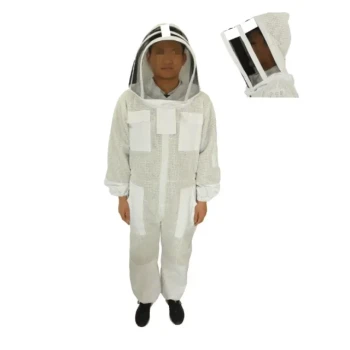
Installing screens and covers requires close hive work. A veil and suitable beekeeping gloves help reduce sting risk and support careful handling during a time-sensitive operation.
Build a ready-to-deploy product package
For wholesalers, distributors, and commercial apiaries, a practical product package can include:
- Eight-mesh entrance screens or reusable entrance gates
- Entrance reducers and securing hardware
- Screened top covers
- Hive ventilation boxes
- Empty shallow hive bodies for additional space
- Reusable burlap or breathable cooling cloths
- Frame feeders and suitable syrup containers
- Inspection and fastening accessories
A complete package improves response time because the beekeeper does not need to assemble improvised ventilation solutions during an active spray event.
How to Apply This to Your Apiary or Product Program
The correct configuration depends on local temperature, hive design, confinement duration, and whether relocation is possible.
- If your primary focus is short-term spray protection: Use secure eight-mesh entrance screens or confinement gates with screened top covers, then reopen the colonies promptly after the hazard passes.
- If your primary focus is hot-weather confinement: Prioritize a hive ventilation box or screened top cover, remove restrictive inner covers where appropriate, provide shade, and use damp burlap for evaporative cooling.
- If your primary focus is commercial apiary readiness: Stock standardized entrance screens, ventilation boxes, screened covers, cooling cloths, feeders, and fastening hardware as a complete rapid-deployment kit.
- If your primary focus is maximum exposure reduction: Relocate colonies away from the spray zone whenever feasible, using temporary screened confinement only when moving the hives is impractical.
The most reliable protection combines breathable confinement hardware, active heat management, clear spray coordination, and rapid reopening procedures.
Summary Table:
| Hardware | Purpose | Key Considerations |
|---|---|---|
| Eight-mesh entrance screen | Prevents bees from exiting while allowing air | Secure fit; install before spraying |
| Entrance reducer/gate | Controls hive opening and provides breathable barrier | Must be screened to allow ventilation |
| Screened top cover | Allows heat and CO2 to escape | Remove inner cover for airflow |
| Hive ventilation box | Maintains air exchange with entrance closed | Reusable; ideal for commercial apiaries |
| Damp burlap/cloth | Evaporative cooling | Keep moist; don't block ventilation |
| Empty shallow hive body | Adds space and improves air circulation | Supplementary measure |
| Frame feeder/sugar syrup | Supports nutrition during confinement | For prolonged confinement |
Protect your valuable colonies with HONESTBEE's specialized confinement and ventilation hardware. Our comprehensive wholesale supply includes eight-mesh entrance screens, screened top covers, hive ventilation boxes, and more—all built for rapid deployment and reliable performance. As a trusted B2B partner, we offer OEM/ODM support, certified quality, fast delivery, and dedicated service to ensure your customers' colonies stay safe during spraying. Contact us today to discuss your wholesale needs and secure the right equipment for your market.
Related Products
- Stainless Steel Round Beehive Air Vents for Ventilation
- Steel Round Disc Entrance Reducer for Flexzion Bee Hive Nuc Box Gate
- Inner Beehive Cover for Beekeeping Bee Hive Inner Cover
- Professional Reversible Beehive Hive Entrance
- Ergonomic Plastic Frame Spacer Tool for Rapid Hive Management Beekeeping
People Also Ask
- How does ventilation affect colony health, and how should it be managed seasonally? A Guide to Preventing Moisture & Overheating
- Why is proper ventilation important in a beehive? Prevent Mold, Regulate Temperature, and Boost Colony Health
- How can a beekeeper provide proper ventilation for a beehive throughout the year? Seasonal Strategies for Bee Health
- Why is good ventilation crucial when transporting beehives? Protect Your Colony from Lethal Overheating
- How can ventilation be added to a beehive without using an inner cover? Simple, Effective Solutions for Healthy Hives