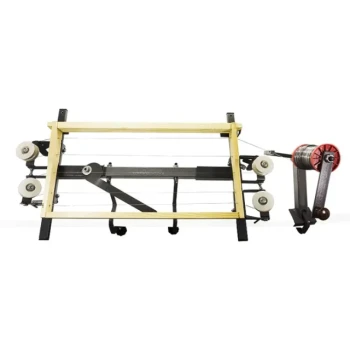
Portable integrated beehive systems redefine agricultural efficiency by combining mobility with sophisticated environmental controls. These systems feature specialized hardware such as integrated light shading, advanced ventilation, and reinforced transport mechanisms designed for high-frequency deployment. By protecting colony health during transit and allowing for precise placement in greenhouses or orchards, these technical advantages ensure immediate, high-intensity pollination that significantly boosts crop yields and quality.
Integrated beehive systems serve as a critical logistics foundation, enabling the rapid and low-stress deployment of bee colonies to maximize agricultural output through precise synchronization with flowering cycles.
Engineering for High-Frequency Mobility
Reinforced Structural Design
Portable systems utilize lightweight yet durable materials engineered to withstand the rigors of frequent long-distance transport. This specialized hardware is a technical prerequisite for organizations offering pollination outsourcing services to large-scale agro-industrial complexes.
Mechanical Handling Compatibility
Modern integrated hives feature standardized footprints and smooth lifting control points for mechanized handling. This allows for the rapid loading and unloading of colonies via specialized platforms, minimizing the physical vibrations that can disrupt a colony's social structure.
Rapid Deployment Capabilities
The modular design of these systems allows beekeepers to establish optimal pollination density almost instantly upon arrival at a site. This "plug-and-play" capability is essential for responding to the narrow flowering windows of high-value commercial crops.
Environmental Stability and Colony Health
Optimized Ventilation Structures
Integrated ventilation systems are designed to regulate airflow and prevent heat stress during both transit and stationary deployment. Maintaining stable internal temperatures ensures the physiological vitality of the queen and worker bees, allowing the colony to engage in foraging immediately.
Integrated Light Shading
Advanced systems incorporate light shading mechanisms that protect the colony from intense solar radiation, particularly in open orchards. This feature is critical for maintaining the health of sensitive species, such as stingless bees, ensuring they remain productive in diverse climatic conditions.
Stress Reduction Mechanisms
By optimizing the internal environment, these systems minimize the metabolic cost of transport for the bees. Reducing transport-related stress ensures that the colony arrives at the pollination site with its full foraging workforce intact and ready for high-intensity visitation.
Maximizing Agricultural Output and Quality
Precision Syncing with Flowering Cycles
The mobility of these systems allows for the flexible repositioning of colonies to match the specific flowering periods of different crops. This precision ensures that pollination coverage is maximized exactly when the plants are most receptive, leading to higher fruit set rates.
Scientific Regulation of Pollination Density
Resellers can provide a full-spectrum product portfolio that allows farm managers to scientifically regulate the number of bees per acre. This technical control addresses regional pollination deficits and ensures consistent seed-setting for cross-pollinated plants like rapeseed and buckwheat.
Enhanced Crop Quality and Yield
High-frequency visitation, facilitated by the proximity and health of the bees, directly correlates to improved crop quality. Better pollination results in more uniform fruit shape, higher sugar content, and increased overall economic benefit for the agricultural sector.
Understanding the Technical Trade-offs
Portability vs. Thermal Mass
While lightweight materials facilitate rapid transport, they often provide less natural insulation than traditional, heavy-walled hives. This requires users to rely more heavily on active or passive ventilation features to manage internal hive temperatures in extreme weather.
Mechanical Complexity and Maintenance
The inclusion of integrated shading, mechanized vents, and transport frames increases the maintenance requirements of the unit. For distributors and wholesalers, this necessitates a commitment to providing technical expertise and robust after-sales support to ensure long-term equipment reliability.
Cost of Integration
Integrated systems represent a higher initial capital investment than basic wooden hive boxes. However, this cost is typically offset by the increased efficiency and reduced colony mortality rates achieved during high-frequency pollination cycles.
How to Apply This to Your Business Strategy
Strategic Recommendations for Resellers
- If your primary focus is service scalability: Prioritize modular systems that support rapid response times and mechanized handling to enable efficient order fulfillment for large-scale clients.
- If your primary focus is colony longevity: Source hardware with reinforced structures and superior ventilation systems to minimize transport-related stress and maintain high foraging intensity.
- If your primary focus is high-value greenhouse crops: Invest in integrated systems featuring light shading and precise density controls to cater to the specialized needs of indoor agricultural environments.
Empowering your clients with these advanced integrated systems ensures they can meet the rigorous demands of modern commercial pollination while maximizing both crop yields and colony health.
Summary Table:
| Feature | Technical Benefit | Business Impact for Resellers |
|---|---|---|
| Reinforced Design | Withstands high-frequency transport | Enhances hardware durability & lifespan |
| Advanced Ventilation | Regulates internal hive temperature | Lowers colony mortality; ensures high activity |
| Modular Mobility | Rapid "Plug-and-Play" deployment | Speeds up order fulfillment & site setup |
| Integrated Shading | Protects from intense solar radiation | Critical for high-value greenhouse pollination |
| Mechanical Handling | Compatible with standardized platforms | Reduces labor costs & transport-related stress |
Scale Your Pollination Business with HONESTBEE
Partner with HONESTBEE to access a premium, one-stop sourcing platform designed specifically for distributors, wholesalers, and commercial apiaries. We offer a full-spectrum product portfolio—from specialized hive-making machinery and honey-filling equipment to high-performance integrated beehive systems and essential consumables.
Why choose HONESTBEE?
- Maximize Margins: Competitive wholesale pricing and OEM/ODM support to differentiate your brand.
- Reliable Supply Chain: Ultra-fast delivery and efficient fulfillment to meet peak agricultural demands.
- Professional Expertise: Deep industry knowledge to help you solve complex client challenges.
- Rapid Response: Dedicated support ensuring your orders are handled with precision.
Ready to elevate your inventory with industry-leading beekeeping technology?
Contact Our Export Experts Today
References
- Michael S. Engel, Favízia Freitas de Oliveira. Stingless bee classification and biology (Hymenoptera, Apidae): a review, with an updated key to genera and subgenera. DOI: 10.3897/zookeys.1172.104944
This article is also based on technical information from HonestBee Knowledge Base .
Related Products
- Professional Bee Frame Wiring Tool with Integrated Tensioning System by HONESTBEE
- Ergonomic Two Person Foldable Hive Lifter
- Stainless Steel Round Beehive Air Vents for Ventilation
- In-Hive Dual Compartment Frame Bee Feeder for Targeted Colony Nutrition
- Professional Grade Foldable Beehive Handles
People Also Ask
- How to wire a bee frame? A Step-by-Step Guide for Strong, Durable Honeycomb
- What is the final step in wiring a frame? Secure Lasting Tension for a Durable Hive
- What is minimalist bee frame wiring? Learn the Risks and Benefits for Beekeeping
- What tools and materials are required for wiring a beehive frame? Essential Equipment for Stronger Honeycomb
- What is the specified wire gauge for the bee frame wire? Mastering 26-Gauge Wire for Durable Honeycomb Support