Effective Varroa destructor management requires a dual-pronged approach that integrates professional medicinal treatments with precise physical interventions. To ensure colony survival and commercial yield, beekeepers must implement systematic monitoring, utilize specialized miticides during brood-less windows, and employ modernized hive equipment. This technical synergy is essential for minimizing winter mortality and maintaining the health of pollination-dependent crops.
Core Takeaway: Successful Varroa control relies on a rigorous Integrated Pest Management (IPM) strategy that combines high-efficiency medicinal consumables with diagnostic monitoring and modernized hive infrastructure to protect honey purity and colony longevity.
Professional Medicinal Treatments and Pharmacological Intervention
Targeted Miticides for High-Efficiency Control
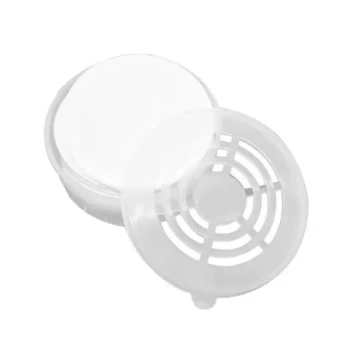
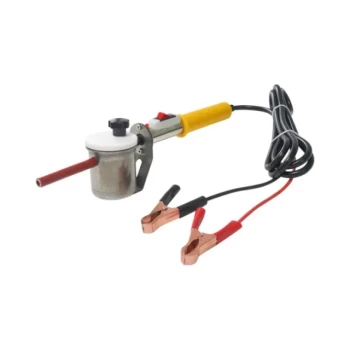
The application of specialized miticides remains the primary technical measure for suppressing Varroa mite populations. These medicinal consumables act directly on the mites parasitizing the bees' bodies, significantly reducing the transmission of associated viruses. For distributors, offering a full-spectrum portfolio of these treatments is critical to meeting the diverse needs of commercial beekeeping operations.
Strategic Timing for Maximum Efficacy
Precision timing is vital; treatments are typically scheduled for early spring or late autumn when brood rearing is naturally reduced. This window allows the medication to reach phoretic mites more effectively while avoiding the honey production period. Adhering to these strict operational windows is a non-negotiable technical requirement to prevent chemical residue contamination in the final honey and wax products.
Physical and Mechanical Intervention Methods
Modernized Hive Structures for Pest Control
Modernized hive facilities provide the necessary foundation for standardized pest management. These structures are designed to facilitate mechanical or biological protocols, such as drone brood removal or bottom board monitoring. Investing in advanced hive hardware allows beekeepers to implement these interventions with greater speed and efficiency, supporting rapid colony recovery.
Biological Controls and Selective Breeding
Technical measures are increasingly incorporating selective breeding for Varroa-sensitive hygiene (VSH) and natural resistance. While manual intervention remains necessary for most commercial species, incorporating stocks that tolerate infestations reduces the long-term reliance on synthetic agents. This shift reflects a growing market demand for sustainable, low-residue beekeeping solutions.
Diagnostic Monitoring and Integrated Pest Management (IPM)
Precise Diagnostic Tools for Quantification
Effective management begins with precise diagnostic tools that allow beekeepers to quantify infestation levels before treatment. By using standardized sampling methods, beekeepers can avoid "blind" systemic treatments that lead to chemical waste. This data-driven approach is a hallmark of professional expertise, ensuring that interventions are only applied when economically necessary.
Protecting Commercial Yield and Honey Purity
The ultimate goal of these technical measures is to secure the biological basis for honey yield and pollination services. Integrated Pest Management (IPM) reduces the rate at which mites develop resistance to synthetic agents, preserving the long-term efficacy of available treatments. For wholesalers, providing high-quality diagnostic and treatment tools ensures their clients can maintain stable production even during heavy infestation cycles.
Understanding the Trade-offs and Pitfalls
Chemical Resistance and Efficacy Loss
The primary risk in Varroa management is the over-reliance on a single chemical class, which rapidly drives mite resistance. When efficacy drops, beekeepers may be tempted to increase dosages, leading to higher costs and increased residue risks. A diverse rotation of active ingredients is the only technical safeguard against this common pitfall.
Residue Management vs. Colony Health
There is a delicate balance between aggressive mite control and maintaining product purity. While intensive treatments maximize bee survival, improper application during honey flows can render the crop unsalable due to pesticide residues. Professionals must weigh the immediate need for colony preservation against the strict regulatory requirements of the honey market.
Making the Right Choice for Your Goal
How to Apply This to Your Business
- If your primary focus is Comprehensive Market Coverage: Source a full-spectrum portfolio that includes both synthetic miticides and organic alternatives to meet varying regional regulations and beekeeper preferences.
- If your primary focus is Supply Chain Reliability: Partner with experts who offer rapid response times and ultra-fast delivery of medicinal consumables to ensure treatments arrive exactly during the critical early spring and late autumn windows.
- If your primary focus is Premium Client Service: Provide advanced diagnostic tools and modernized hive components alongside traditional treatments to position your firm as a source of professional industry expertise.
By integrating advanced diagnostics with precision-timed medicinal and mechanical interventions, beekeeping operations can effectively neutralize the threat of Varroa mites and ensure sustainable, high-yield honey production.
Summary Table:
| Category | Technical Measure | Key Benefit to Operations |
|---|---|---|
| Medicinal | Targeted Miticides | High-efficiency suppression of phoretic mites |
| Physical | Modernized Hive Hardware | Facilitates mechanical removal & diagnostic monitoring |
| Diagnostic | Standardized Sampling | Prevents chemical waste through data-driven decisions |
| Biological | Selective Breeding (VSH) | Reduces long-term reliance on synthetic treatments |
| Strategic | Precision Timing | Minimizes residues & protects honey purity |
Scale Your Distribution with HONESTBEE’s Expert Solutions
Are you looking to provide your clients with the most effective Varroa management tools? HONESTBEE is your premier partner for one-stop sourcing in the beekeeping industry. We cater specifically to commercial apiaries and distributors, offering a comprehensive wholesale portfolio that ranges from high-efficiency medicinal consumables to advanced hive-making and honey-filling machinery.
Why partner with HONESTBEE?
- Full-Spectrum Portfolio: Everything from specialized hardware to honey-themed cultural merchandise.
- Unmatched Efficiency: Ultra-fast delivery and rapid response times to keep your inventory moving.
- Industry Expertise: Deep professional knowledge to support your OEM/ODM and certification needs.
- Supply Reliability: Ensure your customers never miss a critical treatment window with our robust supply chain.
Boost your profit margins and offer your customers premium trading services today.
Contact HONESTBEE for Wholesale Inquiries
References
- Samuel Périchon, Aleksejs ZACEPINS. Perception of threats to bee colonies and the future of local beekeeping by beekeepers in various European countries. DOI: 10.25518/0770-7576.7358
This article is also based on technical information from HonestBee Knowledge Base .
Related Products
- Oxalic Acid Vaporizer 12V for Bee Varroa Mite Treatment
- Durable 12V Oxalic Acid Vaporizer for Varroa Mite Treatment Beehive Beekeeping Tool
- Heavy Duty 12V Oxalic Acid Evaporator Vaporizer for Bee Varroa Mite Treatment Beekeeping Fumigator Atomizer
- Compact Circular Bee Mite Treatment Dispenser
- Adjustable Formic and Acetic Acid Dispenser for Bee Mite Treatment
People Also Ask
- What factors determine how often to treat for varroa mites with oxalic acid? Time Your Treatment for Maximum Efficacy
- What are the technical advantages of using professional Sublimators? Maximize Mite Control with Precision Vaporizers
- What is the technical objective of applying oxalic acid via a sprayer? Maximize Varroa Resistance in Your Apiary
- How can oxalic acid treatment be applied effectively when capped brood is present? Master the 3-Stage Vapor Protocol
- What is the overall goal of using oxalic acid in late fall for beekeepers? Maximize Winter Survival with a Broodless Treatment